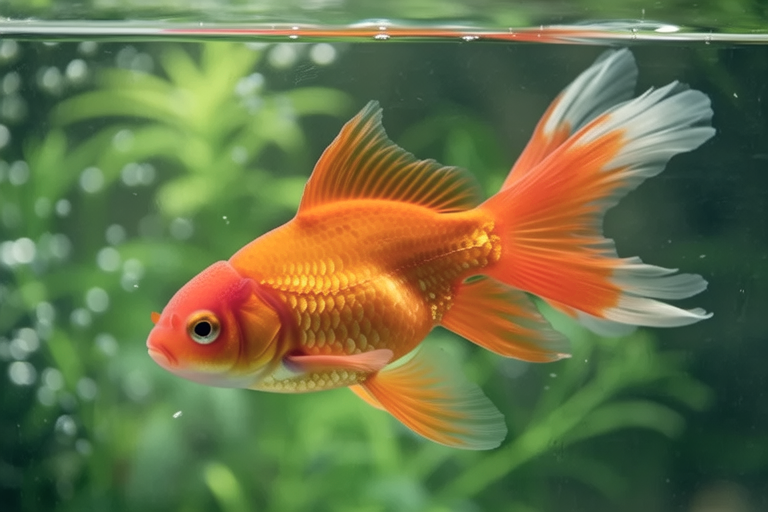
Goldfish Behavior: What Those Tail Twists Really Mean
Welcome to the fascinating world of goldfish! These colorful and graceful creatures have long been cherished as one of the most popular pets globally. With their vibrant hues and gentle swimming patterns, goldfish bring joy and tranquility to homes around the world. Understanding goldfish behavior is not just an intriguing hobby but also essential for providing the best care possible.
Goldfish exhibit a range of behaviors that can be both delightful and puzzling to observe. From the way they interact with their environment to their feeding habits, each action provides insight into their well-being. Among these behaviors, tail twists stand out as particularly interesting and significant. This article will explore what those tail twists mean, along with other notable behaviors, and provide guidance on how to ensure your goldfish remains happy and healthy.
The Significance of Understanding Goldfish Behavior
Understanding your goldfish’s behavior is crucial for maintaining their health and happiness. By recognizing normal activities and identifying any changes, you can quickly address potential issues before they become serious problems. For instance, changes in appetite, swimming patterns, or social interactions might signal underlying health concerns that require attention.
Moreover, knowing what constitutes typical behavior helps in creating a stimulating and enriching environment for your fish. Goldfish thrive in environments that challenge and engage them, which can lead to healthier and more active fish. Understanding their needs allows you to provide the right balance of stimulation and rest.
Tail Twists: An Indicator of Communication and Health
One of the most noticeable behaviors in goldfish is tail twisting. This movement involves the fish rapidly flicking its tail back and forth, sometimes accompanied by quick turns or loops. While it may seem like mere playfulness, tail twisting serves multiple purposes.
Firstly, tail twisting can be a form of communication. In the wild, goldfish often use this motion to signal danger or to attract mates. In captivity, while the need to attract mates diminishes, the instinct to communicate remains. Your goldfish might twist its tail to express excitement, stress, or even boredom.
Secondly, tail twisting can indicate health issues. If your goldfish frequently exhibits this behavior, especially if combined with lethargy, loss of appetite, or discoloration, it could suggest underlying health problems such as swim bladder disorder, constipation, or parasitic infections. It’s important to monitor these signs and consult a veterinarian if necessary.
Lastly, tail twisting can be a natural instinct driven by curiosity and exploration. Goldfish are naturally curious creatures and enjoy exploring their surroundings. Providing toys or plants within the tank can stimulate this instinct and reduce unnecessary stress or boredom.
Other Notable Behaviors
Beyond tail twisting, goldfish display several other behaviors that are worth noting. One common behavior is gulping at the water surface. This action can indicate that the fish is trying to get more oxygen, possibly due to low oxygen levels in the tank or high temperatures. Ensuring proper aeration and maintaining appropriate water temperature is crucial to prevent this behavior.
Another behavior is chasing objects. This can be a playful interaction or a sign of territoriality. If your goldfish is chasing tank decorations or other fish, it might be expressing dominance or simply enjoying playtime. However, excessive chasing can lead to stress among tank mates, so it’s important to provide ample space and hiding spots.
Goldfish also show interest in food in various ways. They may dart towards the surface when they see you approaching, indicating they recognize feeding time. On the other hand, a lack of interest in food could signal illness or discomfort. Monitoring their eating habits closely can help identify any changes in their health.
Encouraging Positive Behaviors and Maintaining a Healthy Environment
To encourage positive behaviors and maintain a healthy environment for your goldfish, start by ensuring their habitat meets their basic needs. A spacious tank with clean, filtered water is essential. Regular water changes and maintenance of water parameters like pH, ammonia, nitrite, and nitrate levels are critical for preventing diseases.
Providing a variety of hiding spots, such as caves or plants, can help reduce stress and promote natural behaviors. Goldfish love to explore and hide, and having these options available can make their lives more enjoyable. Additionally, adding interactive elements like floating toys or sinking pellets can stimulate their curiosity and keep them engaged.
Feeding a balanced diet is another key aspect of good care. Goldfish require a mix of protein, vegetables, and occasional treats. Overfeeding can lead to obesity and poor water quality, so it’s important to feed them适量的饲料。过度喂食会导致肥胖和水质恶化,因此适量喂食非常重要。
