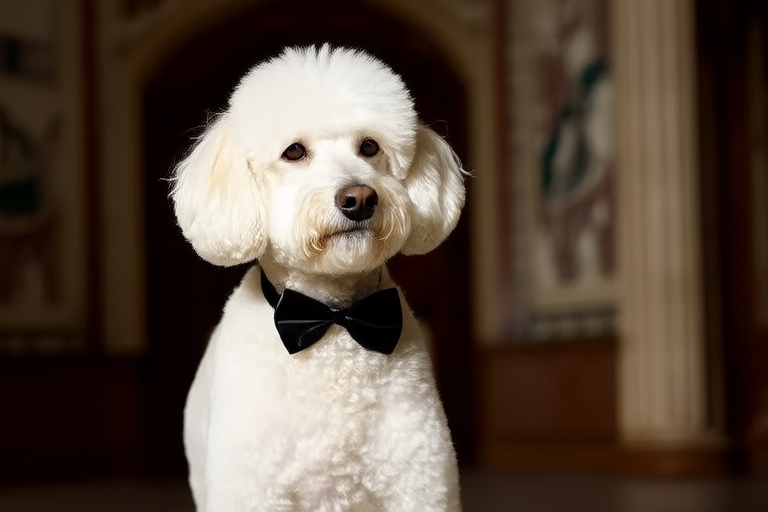
Poodles: From Royal Companions to Modern Favorites
The Poodle, with its distinctive curly coat and graceful demeanor, has captured hearts for centuries. Originating as water retrievers, these dogs have evolved into beloved companions, excelling in various roles and dog sports. This article delves into the rich history of the Poodle, exploring its journey from royal companions to modern favorites, while also examining its unique characteristics that make it such a popular breed today.
Origins and Early History
The Poodle’s history traces back to ancient times, where they were used as water retrievers by duck hunters in Germany and France. Their name, “Poodle,” comes from the German word “Pudel,” meaning “to splash in water.” The breed’s intelligence and athleticism made them ideal for this demanding task. Despite their reputation for elegance, Poodles were initially working dogs, valued for their ability to retrieve game from water.
Over time, the Poodle gained popularity among European nobility, particularly in France. They became cherished companions for the aristocracy, often seen accompanying their owners on hunts and social events. The breed’s intelligence and trainability made them perfect for performing tricks, further enhancing their appeal. It was during this period that the Poodle’s iconic grooming style emerged, with certain areas shaved for swimming while others left for warmth and protection.
From Nobility to Modern Favorites
The Poodle’s transition from noble companion to household pet reflects broader changes in society. As the French Revolution democratized social structures, the Poodle’s popularity spread beyond the aristocracy. By the 19th century, Poodles were common sights in households across Europe and America. Their versatility and adaptability allowed them to thrive in various environments, solidifying their status as family pets.
Today, Poodles continue to be popular for their intelligence and companionship. Their keen intellect makes them excel in obedience training and agility competitions. Poodles are renowned for their ability to learn quickly and follow commands precisely, traits that have earned them titles in numerous dog sports. Whether participating in obedience trials, agility courses, or even as therapy dogs, Poodles consistently demonstrate their exceptional abilities.
Recognized Sizes and Grooming Needs
The American Kennel Club (AKC) recognizes three distinct sizes within the Poodle breed: Standard, Miniature, and Toy. Each size retains the same elegant appearance and intelligence, differing primarily in height and weight.
- Standard Poodles: These are the largest of the three, standing over 15 inches at the shoulder and weighing between 45 and 70 pounds. They are often used in field work and competitive sports.
- Miniature Poodles: Standing between 10 and 15 inches tall, Miniature Poodles weigh around 10 to 15 pounds. Their smaller stature makes them ideal for apartment living.
- Toy Poodles: The smallest of the trio, Toy Poodles stand less than 10 inches tall and typically weigh under 6 pounds. They are perfect for those seeking a lapdog.
Grooming is a significant aspect of owning a Poodle. Their dense, curly coat requires regular maintenance to prevent matting and tangling. Professional grooming every six to eight weeks is recommended, although some owners opt for shorter clips between professional visits. Regular brushing at home helps keep the coat healthy and reduces shedding, which is minimal due to the Poodle’s hypoallergenic qualities.
Modern Trends and Enduring Appeal
In recent years, Poodles have experienced a resurgence in popularity. Their hypoallergenic nature has made them attractive to individuals with allergies or sensitivities to dog dander. Additionally, Poodles’ adaptability to various living situations, whether in spacious homes or small apartments, contributes to their enduring appeal.
Crossbreeding with other popular breeds, such as Labradoodles and Goldendoodles, has created new hybrid varieties that inherit the Poodle’s desirable traits. These mixes combine the hypoallergenic qualities of the Poodle with the physical attributes of other breeds, offering diverse options for potential owners.
The Poodle’s intelligence and versatility extend beyond traditional roles, making them excellent therapy dogs. Their calm demeanor and affectionate nature allow them to provide comfort and support to those in need. Many organizations utilize Poodles in hospitals, schools, and nursing homes, highlighting the breed’s positive impact on communities.
Conclusion
The Poodle’s journey from water retriever to royal companion and finally to modern favorite is a testament to its enduring appeal. Their intelligence, versatility, and hypoallergenic qualities have secured their place in the hearts of many. Whether participating in dog sports, providing companionship, or serving as therapy animals, Poodles continue to captivate and inspire. As we look to the future, it is clear that the Poodle will remain a cherished and versatile breed, beloved by generations to come.
