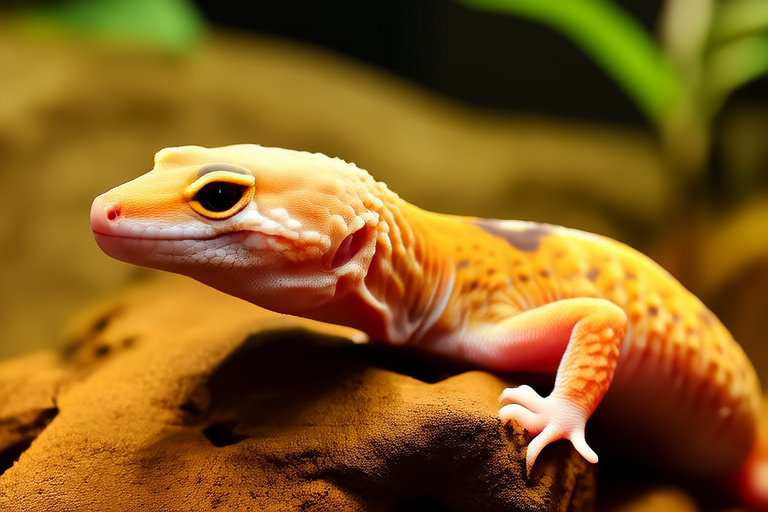
Unlocking the Mystery: Understanding Leopard Gecko Behavior
Welcome to the fascinating world of leopard geckos! These charming creatures, known for their unique appearance and docile nature, have captivated reptile enthusiasts worldwide. With their striking patterns and vibrant colors, leopard geckos are more than just pets; they offer a window into the intriguing behaviors of these desert-dwelling lizards.
Unique Characteristics of Leopard Geckos
Leopard geckos possess several distinctive traits that set them apart from other reptiles. Their skin is covered in tiny granules, giving them a velvety texture. They also have small, sticky feet that allow them to climb and grip surfaces with ease. One of the most remarkable features of leopard geckos is their ability to detach their tails when threatened, a process known as caudal autotomy. This defense mechanism helps them escape predators by leaving behind a wriggling tail while the lizard makes its getaway.
Leopard geckos are also known for their excellent eyesight and keen sense of smell, which are crucial for their survival in the wild. They can detect movement and scent trails from considerable distances, making them efficient hunters. Additionally, these geckos are nocturnal, meaning they are most active during the night, and they rely heavily on their senses to navigate their environment.
Natural Habitat and Its Influence on Behavior
Leopard geckos are native to the arid regions of Pakistan, Afghanistan, and parts of India. Their natural habitat consists of rocky deserts, scrublands, and grassy areas where they can find shelter under rocks or in burrows. The harsh conditions of their environment have shaped their behavior, making them well-adapted to survive in such challenging environments.
In the wild, leopard geckos spend much of their time hiding during the day to avoid the intense heat and seeking cooler spots at night to hunt. They are solitary animals, except during mating season, and prefer to live alone. This solitary nature is reflected in their behavior as pets, where they require minimal interaction and thrive in quiet, undisturbed surroundings.
Common Behaviors: Basking, Hunting, and Social Interactions
One of the most common behaviors observed in leopard geckos is basking. While they are not true sunbathers like many other reptiles, they do benefit from exposure to UVB light, which helps them synthesize vitamin D3 essential for calcium absorption. Owners should provide a heat gradient within the enclosure, allowing the gecko to regulate its body temperature by moving between warmer and cooler areas.
Hunting is another vital aspect of a leopard gecko’s daily routine. In the wild, they primarily feed on insects such as crickets, mealworms, and waxworms. As pets, they should be provided with a steady supply of appropriately sized prey items. Leopard geckos are ambush predators, waiting patiently until their prey comes within reach before striking with incredible speed and precision.
Social interactions among leopard geckos are limited but can occur during mating season. Males may exhibit territorial behavior, especially when females are present, leading to potential conflicts. It’s essential for owners to monitor their geckos closely during this period to prevent injuries. Females, on the other hand, tend to be more passive and may engage in mild interactions with one another.
Understanding Body Language and Vocalizations
Leopard geckos communicate through a variety of body movements and vocalizations. One of the most noticeable signs of stress or discomfort is when a gecko puffs up its body, making itself appear larger. This behavior is often accompanied by rapid breathing and flicking of the tail. Owners should take note of these signals and address any potential issues in the environment, such as overcrowding or inadequate heating.
Another interesting behavior is the ‘tail wagging’ seen in young leopard geckos. This action is thought to be a form of communication between juveniles and their parents. Adult geckos rarely exhibit this behavior, but it can still be observed occasionally. Additionally, some leopard geckos make soft chirping sounds, particularly when excited or during breeding activities. While these vocalizations are not common, they add an extra layer of charm to these already captivating creatures.
Typical Activity Patterns
Leopard geckos are nocturnal animals, meaning they are most active during the night. During the day, they tend to remain hidden in dark, cool places within their enclosure. Owners should mimic this natural cycle by providing appropriate lighting and temperature gradients. A consistent day-night schedule will help maintain the gecko’s circadian rhythm and promote healthy behavior.
Owners may notice increased activity levels during feeding times, as leopard geckos become more alert and responsive when food is present. It’s important to establish a regular feeding schedule to ensure the gecko remains active and engaged. Additionally, providing enrichment opportunities such as climbing structures and hiding spots will encourage exploration and stimulate natural behaviors.
The Impact of Environmental Factors on Behavior
The environment plays a significant role in shaping the behavior of leopard geckos. Temperature and humidity levels must be carefully controlled to ensure optimal health and well-being. Leopard geckos thrive in temperatures ranging from 78°F to 90°F (25°C to 32°C) during the day, with a slight drop at night. Providing a thermal gradient allows the gecko to choose its preferred temperature.
Humidity levels should be kept low, around 30-40%, to prevent respiratory infections. Excessive moisture can lead to skin issues and other health problems. Proper ventilation is also crucial, ensuring fresh air circulation without causing drafts.
Lighting is another critical factor influencing behavior. Leopard geckos require UVB lighting for approximately 10-12 hours per day to facilitate vitamin D3 synthesis. However, they do not require direct sunlight and should never be exposed to unfiltered UVB light, as this can cause burns. Instead, a high-quality UVB bulb placed outside the enclosure will suffice.
Advice for Owners: Interpreting and Responding to Actions
Observing and understanding your leopard gecko’s behavior is key to providing proper care. Owners should pay attention to changes in appetite, activity levels, and overall demeanor. A sudden decrease in food intake or lethargy could indicate underlying health issues that require prompt attention. Regular veterinary check-ups are recommended to catch any potential problems early.
Owners should also be mindful of their gecko’s environment and make adjustments as needed. For example, if the gecko spends most of its time near the cooler end of the enclosure, it may be signaling that the ambient temperature is too high. Adjusting the heating elements accordingly will help create a more comfortable living space.
It’s essential to handle your leopard gecko gently and infrequently, as excessive handling can cause stress. When necessary, always support the gecko’s body fully and avoid restraining it. By respecting their need for privacy and minimizing disturbances, owners can foster a trusting relationship with their pet.
Creating an Enriching Environment
To ensure your leopard gecko leads a fulfilling life, it’s important to create an environment that meets its behavioral needs. Start by providing ample hiding spots using caves, tunnels, and other structures. These hideouts serve multiple purposes, offering security, reducing stress, and promoting natural behaviors. Ensure there are enough hiding spots for each gecko if you have more than one, preventing territorial disputes.
Incorporating climbing structures, such as branches or rocks, will encourage physical activity and mental stimulation. Leopard geckos enjoy exploring their surroundings, and having varied terrain within the enclosure will keep them engaged. Additionally, providing a shallow water dish for soaking will help maintain hydration and support overall health.
Finally, consider adding live plants or artificial foliage to enhance the aesthetic appeal of the enclosure and provide additional hiding spaces. These elements contribute to a more naturalistic setup that mimics the gecko’s wild habitat, fostering a healthier and happier pet.
In conclusion, understanding and appreciating the behavior of leopard geckos enriches the experience of owning these remarkable creatures. By learning about their unique characteristics, natural habitat, and common behaviors, owners can provide the best possible care and create an enriching environment that aligns with their behavioral needs. Whether you’re a beginner or an experienced reptile enthusiast, delving into the world of leopard geckos promises endless fascination and joy.
