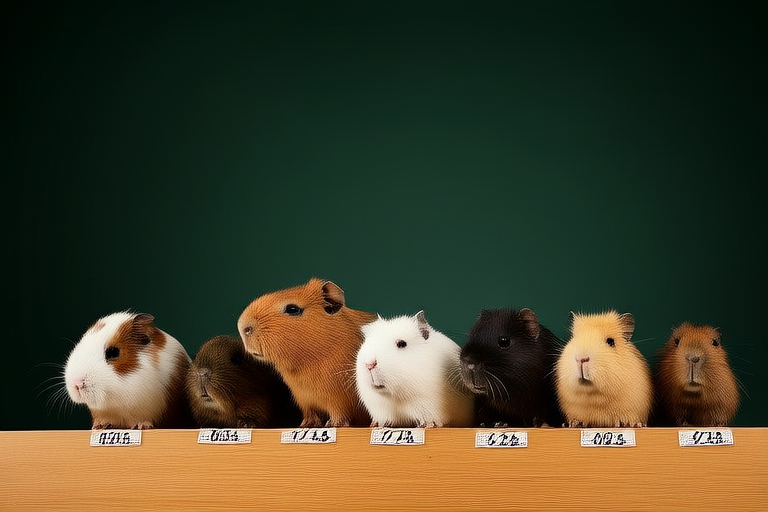
Top 10 Myths About Guinea Pigs Debunked!
Guinea pigs have been popular pets for centuries, known for their gentle nature and entertaining personalities. These small rodents, native to South America, have become beloved companions in homes around the world. With their distinctive appearance and charming behaviors, guinea pigs bring joy and companionship to many households. However, despite their widespread appeal, several misconceptions surround these furry friends. This article aims to debunk the top ten myths about guinea pigs, providing you with accurate information to help you better understand and care for these delightful creatures.
Myth 1: Guinea Pigs Are Low-Maintenance Pets
Description: Many people believe that guinea pigs require minimal attention and care, making them ideal pets for busy individuals or those who are new to pet ownership.
Debunked: While guinea pigs are relatively easy to care for compared to some other pets, they still require significant time and effort. They need a balanced diet consisting of hay, fresh vegetables, and a good quality pellet food. Regular grooming is also necessary to keep their fur healthy and prevent skin issues. Additionally, guinea pigs are social animals that thrive when provided with companionship. They require daily interaction and mental stimulation to stay happy and healthy. Neglecting their needs can lead to health problems and behavioral issues.
Myth 2: Guinea Pigs Don’t Need Much Space
Description: There’s a common belief that guinea pigs can be comfortably housed in small cages or enclosures.
Debunked: Guinea pigs need ample space to move around and exercise. A minimum cage size of 7.5 square feet (for one guinea pig) is recommended, and this area should include a running area where they can explore and play. Overcrowding can lead to stress, aggression, and health issues. Providing enough space ensures that your guinea pig can engage in natural behaviors such as running, foraging, and socializing.
Myth 3: Guinea Pigs Are Quiet Pets
Description: Some people think that guinea pigs are silent animals, which makes them suitable for apartments or shared living spaces.
Debunked: Although guinea pigs are generally quieter than dogs or cats, they are not completely silent. They communicate through a variety of sounds, including purring, squeaking, and whistling. These vocalizations serve different purposes, such as expressing happiness, discomfort, or seeking attention. While they may not be loud enough to disturb neighbors, their presence will certainly be noticeable.
Myth 4: Guinea Pigs Can Eat Anything
Description: There’s a misconception that guinea pigs can eat any type of food, similar to humans.
Debunked: Guinea pigs have specific dietary requirements that must be met for optimal health. Their diet should primarily consist of hay, which provides essential fiber and aids digestion. Fresh vegetables, particularly leafy greens like kale and spinach, should be offered daily. Pellets formulated specifically for guinea pigs should also be part of their diet. It’s important to avoid feeding them certain foods, such as chocolate, avocado, and rhubarb, which can be toxic. Fruits should be given sparingly due to their high sugar content.
Myth 5: Guinea Pigs Live Alone
Description: Some believe that guinea pigs are solitary animals and prefer to live alone.
Debunked: Guinea pigs are highly social animals that thrive in pairs or small groups. They enjoy interacting with other guinea pigs and benefit from companionship. Studies have shown that guinea pigs kept in pairs exhibit lower levels of stress and anxiety compared to those housed alone. Introducing a second guinea pig to your existing pet requires careful planning and supervision to ensure compatibility and reduce the risk of aggression.
Myth 6: Guinea Pigs Are Easy to Train
Description: There’s a notion that guinea pigs can be easily trained to perform tricks or follow commands.
Debunked: While guinea pigs can learn simple commands and respond to positive reinforcement, training them is more challenging than with dogs or cats. They lack the same level of intelligence and responsiveness to complex tasks. Training should focus on basic behaviors like coming when called or using a litter box, rather than expecting elaborate tricks. Patience and consistency are key, and rewards should be in the form of treats or praise.
Myth 7: Guinea Pigs Don’t Require Vet Visits
Description: Some people assume that guinea pigs don’t need regular veterinary check-ups.
Debunked: Regular visits to a veterinarian who specializes in small animals are crucial for maintaining the health of your guinea pig. Common health issues include dental problems, respiratory infections, and digestive disorders. Early detection and treatment can prevent serious complications. Routine check-ups allow the vet to monitor your pet’s overall health and address any potential concerns before they become severe. Vaccinations are not typically required, but preventive care remains essential.
Myth 8: Guinea Pigs Only Live a Few Years
Description: There’s a misconception that guinea pigs have a very short lifespan.
Debunked: With proper care, guinea pigs can live up to 8 years. Factors such as genetics, diet, and living conditions significantly impact their longevity. Ensuring they receive a nutritious diet, regular exercise, and a clean living environment can contribute to a longer, healthier life. Providing mental stimulation and companionship also plays a role in enhancing their quality of life.
Myth 9: Guinea Pigs Don’t Need Grooming
Description: Some believe that guinea pigs require little to no grooming.
Debunked: Regular grooming is essential for keeping your guinea pig’s coat healthy and preventing skin issues. Long-haired breeds, in particular, need frequent brushing to prevent matting and tangling. Bathing should be done sparingly, as over-bathing can strip natural oils from their skin. Trimming nails and cleaning ears should also be part of routine grooming. By maintaining a grooming schedule, you’ll help your guinea pig feel comfortable and look their best.
Myth 10: Guinea Pigs Are Suitable for Children
Description: There’s a common belief that guinea pigs make perfect pets for children due to their docile nature.
Debunked: While guinea pigs can be gentle and affectionate, they are not always the best choice for young children. Handling them roughly or accidentally dropping them can cause injury. It’s important for children to learn how to interact with guinea pigs safely and responsibly. Adult supervision is recommended, especially during the initial stages of pet ownership. Teaching children about the responsibilities involved in caring for a guinea pig can foster a sense of responsibility and respect for animals.
Conclusion
By debunking these common myths, we hope to provide a clearer understanding of what it takes to care for a guinea pig. These wonderful creatures deserve the same level of attention and dedication as any other pet. If you’re considering adding a guinea pig to your family, remember to invest in their well-being by providing ample space, a nutritious diet, and regular veterinary care. With the right approach, you’ll enjoy a rewarding and fulfilling relationship with your new furry friend.
