Top 10 Fascinating Facts About Clownfish You Didn’t Know
Clownfish, popularized by the animated film Finding Nemo, are more than just colorful reef inhabitants. These small, vibrant fish have a wealth of fascinating behaviors and adaptations that make them stand out in the marine world. Below are ten lesser-known facts about clownfish that will deepen your appreciation for these charismatic creatures.
1. Clownfish Have Unique Symbiotic Relationships with Sea Anemones
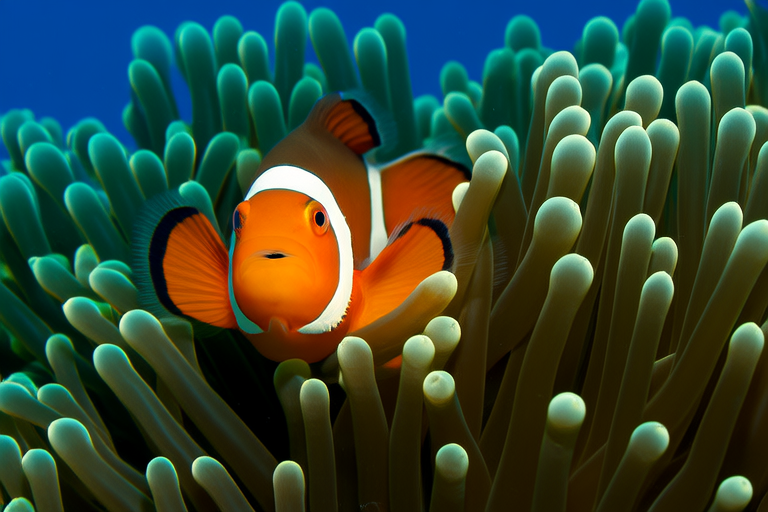
One of the most striking features of clownfish is their ability to live among the tentacles of sea anemones without getting stung. This relationship is mutually beneficial. Clownfish excrete a mucus layer that protects them from the anemone’s stinging cells, called nematocysts. In return, clownfish provide nutrients to the anemone through their waste and may even lure prey closer to the anemone. This partnership is so specialized that some species of clownfish can only survive with specific types of anemones. For instance, the Tomato clownfish thrives exclusively with the Heteractis magnifica anemone.
2. They Are Highly Social and Hierarchical
Clownfish live in tight-knit groups within a single anemone, typically consisting of a dominant breeding pair and several non-breeding individuals. The hierarchy within the group is strict, and the largest female is always the leader. If something happens to the dominant female, the next largest fish in the group undergoes a sex change and becomes the new dominant female. This ensures the survival of the group and the continuity of reproduction. This remarkable ability to switch genders is called sequential hermaphroditism.
3. Clownfish Can Adapt to Various Water Temperatures
Unlike many marine species, clownfish are relatively adaptable to different water temperatures. They can thrive in environments ranging from tropical to subtropical waters. This adaptability is crucial for their survival as it allows them to find suitable habitats even when oceanic conditions change. However, this does not mean they are immune to the effects of climate change. Rising sea temperatures can still impact their health and reproductive success, making conservation efforts essential.
4. They Have a Complex Communication System
Clownfish communicate with each other through a variety of sounds and body movements. These signals help maintain social order and alert the group to potential threats. For example, they produce popping and clicking noises that can be heard by nearby fish. These sounds are believed to play a role in courtship and territorial defense. Additionally, clownfish perform specific swimming patterns to convey messages to other members of their group, enhancing their coordination and safety within the anemone.
5. Clownfish Eggs Are Cared For by the Male
In the clownfish family, the male takes on the responsibility of caring for the eggs. After the female lays them, the male diligently guards the clutch, fanning the eggs with his fins to ensure they receive adequate oxygen. He also removes any debris or dead eggs to prevent the spread of disease. This level of parental care is unusual in the animal kingdom, especially considering that the male does not contribute genetic material to the offspring. This behavior highlights the importance of cooperation in clownfish society.
6. They Have a Distinctive Color Pattern
The iconic orange and white stripes of clownfish are not just for show. Their coloration serves a practical purpose: it acts as camouflage against the contrasting colors of the sea anemone. This helps protect the clownfish from predators who might otherwise target them. Interestingly, the exact pattern and intensity of the stripes can vary between species, reflecting their specific needs for blending into their environment. For example, the Amphiprion melanopus, or maroon clownfish, has a more subdued coloration compared to its orange counterparts.
7. Clownfish Are Omnivores with Specific Diets
Contrary to popular belief, clownfish are not picky eaters. They are omnivorous, meaning they consume both plant and animal matter. Their diet includes algae, zooplankton, and small invertebrates like copepods and amphipods. This diverse diet provides them with a balanced intake of nutrients necessary for growth and energy. It also helps them to maintain their health and resist diseases, which is vital for their survival in the competitive reef environment.
8. They Can Change Their Home Quickly
When a host anemone dies or becomes uninhabitable, clownfish must find a new home quickly. They use their sense of smell to locate suitable anemones, sometimes traveling considerable distances across the reef. Once they find a new anemone, they may need to acclimate themselves to the new host. This process involves gradually increasing their exposure to the anemone’s tentacles to build up the protective mucus layer. This adaptability underscores the resilience of clownfish in the face of environmental challenges.
9. Clownfish Have Specialized Lungs
While all fish breathe underwater using gills, clownfish have developed an additional adaptation that allows them to breathe air. They possess specialized lung-like structures that enable them to gulp air at the surface if necessary. This adaptation is particularly useful in low-oxygen environments or during periods of stress. This unique feature gives clownfish a survival edge in challenging conditions, such as during coral bleaching events when oxygen levels in the water drop significantly.
10. They Exhibit Complex Social Learning
Clownfish are capable of learning from each other, a trait that enhances their survival in the wild. Juvenile clownfish often learn essential skills, such as recognizing safe anemones and avoiding predators, by observing older members of their group. This social learning is critical for their development and integration into the community. It also demonstrates the intelligence and adaptability of these fish, allowing them to thrive in their dynamic marine environment.
Understanding these fascinating facts about clownfish not only enriches our appreciation of these charming creatures but also highlights the intricate web of life in our oceans. Each aspect of their behavior and physiology showcases the incredible diversity and complexity of marine ecosystems. As we continue to explore and study these animals, we gain valuable insights into the importance of preserving the delicate balance of our planet’s waters.
