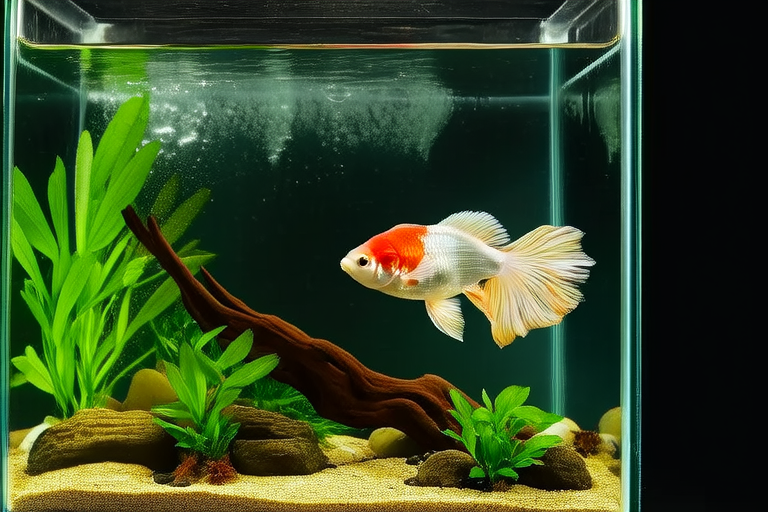
How to Create an Ideal Habitat for Happy, Long-Living Goldfish
Welcome to the world of goldfish care! Goldfish are one of the most popular aquarium fish due to their vibrant colors and playful nature. However, to ensure that your goldfish live long, healthy lives, it is crucial to provide them with an ideal habitat. This comprehensive guide will walk you through everything you need to know about creating a perfect environment for your goldfish, from choosing the right tank size to maintaining water quality and providing a balanced diet.
Choosing the Right Tank Size
The first step in setting up an ideal habitat for your goldfish is selecting an appropriately sized tank. Many beginners make the mistake of purchasing too small a tank, which can lead to stunted growth and stress for the fish. For a single goldfish, a minimum tank size of 20 gallons (75 liters) is recommended. Each additional goldfish requires an extra 10 gallons (38 liters). Larger tanks provide more space for swimming and help maintain better water quality.
Water Quality Maintenance
Water quality is paramount to the health of your goldfish. Poor water quality can cause various diseases and shorten the lifespan of your pets. To maintain excellent water quality, you must regularly perform partial water changes, typically once a week or every two weeks, depending on the number of fish and the size of the tank. During these changes, replace approximately 25% of the water with fresh, dechlorinated water.
Additionally, monitor the pH level, ammonia, nitrite, and nitrate levels in the water. The optimal pH range for goldfish is between 6.5 and 8.0. Ammonia and nitrite levels should be kept at zero, while nitrate levels should remain below 40 ppm.
Suitable Filtration Systems
A good filtration system is essential for removing waste, uneaten food, and harmful chemicals from the water. Choose a filter that provides adequate flow rate and mechanical, biological, and chemical filtration. Mechanical filtration removes debris and large particles, biological filtration supports beneficial bacteria that convert toxic ammonia into less harmful compounds, and chemical filtration helps absorb dissolved organic compounds.
For goldfish, look for filters that provide at least four times the volume of the tank per hour. For example, a 20-gallon tank would require a filter capable of processing 80 gallons per hour.
Temperature Control
Goldfish are coldwater fish and prefer temperatures between 65°F and 75°F (18°C and 24°C). Avoid sudden temperature fluctuations, as they can stress the fish and weaken their immune systems. Use a heater or chiller, if necessary, to maintain consistent temperatures within this range.
Proper Lighting
Goldfish do not require intense lighting, but providing a light cycle of 8 to 12 hours per day can help establish a natural day-night rhythm. Use a timer to automate the lights and avoid overexposing the fish to light. Overexposure can lead to stress and reduced appetite.
Beneficial Plants and Decorations
Incorporating live plants and decorations into the tank can enhance its aesthetic appeal and provide hiding spots and resting areas for your goldfish. Some beneficial plants include Java moss, Anubias, and Hornwort. These plants also contribute to oxygen production and help maintain water quality by absorbing nutrients.
When selecting decorations, choose those made from non-toxic materials and avoid sharp edges that could injure the fish. Incorporate driftwood, rocks, and caves to create a more natural environment. Ensure that decorations are properly cleaned before adding them to the tank to prevent the introduction of harmful substances.
Diet Recommendations
A balanced diet is vital for the health and longevity of your goldfish. Feed them high-quality pellets or flakes specifically formulated for goldfish. These foods provide the necessary nutrients, including protein, fats, carbohydrates, vitamins, and minerals. Additionally, supplement their diet with occasional treats like frozen bloodworms, brine shrimp, or blanched vegetables such as zucchini or peas.
Avoid overfeeding, as excess food can pollute the water and lead to digestive issues. Feed your goldfish small portions twice daily, ensuring they consume all the food within a few minutes. Remove any uneaten food promptly to maintain water quality.
Regular Maintenance Tips
To keep your goldfish healthy and happy, adhere to a regular maintenance schedule:
- Weekly: Perform partial water changes and check water parameters.
- Bi-weekly: Clean the filter media and inspect equipment for signs of wear or damage.
- Monthly: Scrub the tank walls and decorations gently with a soft brush to remove algae and buildup.
By following these guidelines, you’ll create a thriving environment where your goldfish can flourish and enjoy long, healthy lives.
Conclusion
Creating an ideal habitat for your goldfish involves careful consideration of many factors, including tank size, water quality, filtration, temperature, lighting, plants, decorations, and diet. By addressing each of these aspects, you can ensure that your goldfish thrive in their aquatic home. Remember that goldfish are sensitive creatures, and even minor changes in their environment can impact their well-being. Therefore, always approach goldfish care with patience, dedication, and a commitment to learning.
With the knowledge provided in this guide, you’re well-equipped to set up a top-notch habitat for your goldfish. Enjoy watching your pets grow and thrive in their new home!
