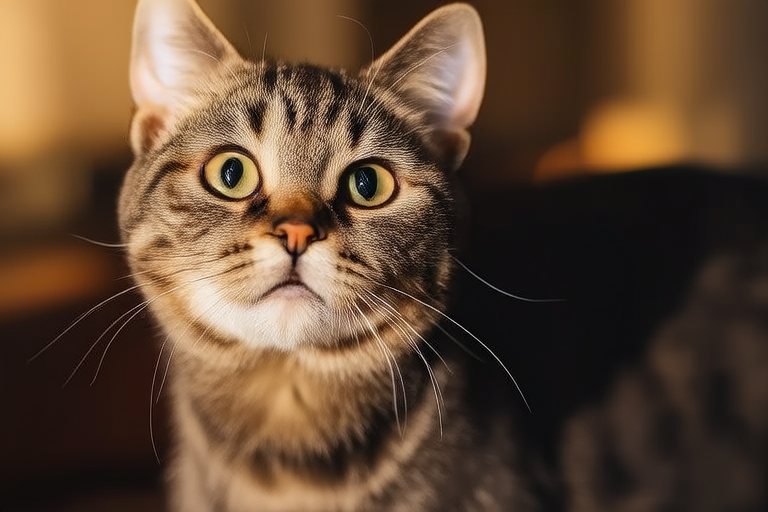
Top 10 Fun Facts About Munchkin Cats That Will Make Your Day
Munchkin cats, with their distinctive short legs, have captured the hearts of many cat enthusiasts since their discovery in the late 20th century. These adorable felines are more than just a novelty; they possess a rich history and unique traits that set them apart from other breeds. From their genetic origins to their playful personalities, Munchkins offer a delightful array of surprises. Let’s dive into ten fun facts that will surely brighten your day.
Fact 1: The Origin Story of Munchkin Cats
The tale of Munchkin cats begins in Rayville, Louisiana, in 1983. Sandra Hochenedel, a music teacher, found two cats trapped in a ditch. One of these cats, a black female, had unusually short legs. She named this cat Blackberry and later bred her with a domestic shorthair. This breeding resulted in the first generation of Munchkin cats, officially recognized by The International Cat Association (TICA) in 2003. Interestingly, the breed’s name was inspired by the characters from “The Wizard of Oz,” who were known for their diminutive stature. This whimsical naming reflects the playful spirit of these charming creatures, setting the stage for their journey into the world of cat fanciers.
Fact 2: A Genetic Twist in Evolution
The short legs of Munchkin cats are the result of a spontaneous mutation in their genetic makeup. This mutation affects the gene responsible for bone length, leading to a condition known as achondroplasia, which is also seen in certain breeds of dogs like Dachshunds and Basset Hounds. However, unlike some other breeds, Munchkins do not suffer from health issues related to dwarfism. Their bodies have adapted to their shorter limbs, allowing them to lead healthy, active lives. This genetic quirk has fascinated scientists and veterinarians alike, prompting studies on how these cats manage to maintain their agility despite their unique skeletal structure. Transitioning from genetics to behavior, let’s explore what makes Munchkin cats so lively and interactive.
Fact 3: Agile and Playful Nature
Despite their stubby legs, Munchkin cats are incredibly agile. They can run at impressive speeds, leap high, and even chase after toys with remarkable enthusiasm. Their short legs might seem like a disadvantage, but these felines have developed a unique running style called the ‘trot,’ which allows them to move swiftly. This agility is a testament to their resilience and adaptability. Munchkins are known for their playful antics, often engaging in games that involve chasing and pouncing. Their curious nature makes them excellent companions for interactive play sessions. As we delve deeper into their quirks, it’s fascinating to learn about their vocal habits.
Fact 4: Vocal and Expressive Communication
Munchkin cats are quite vocal, often chirping, trilling, and purring to communicate with their human companions. Their vocalizations are diverse and expressive, ranging from soft coos to enthusiastic meows. These vocal tendencies make them particularly engaging pets, as they seem to enjoy conversing with their owners. Interestingly, the breed’s tendency to vocalize may be linked to their domestic shorthair ancestry, which is known for being talkative. Their communication skills add another layer of interaction to the bond between humans and these delightful creatures. Now, let’s uncover the surprising social dynamics of Munchkin cats.
Fact 5: Social Butterflies Among Cats
Munchkin cats are highly sociable and thrive in environments where they can interact with both humans and other animals. They often get along well with children and other pets, making them ideal for families. Their friendly demeanor is one of the reasons why they’ve become popular household pets. Unlike some breeds that prefer solitude, Munchkins seek out company and enjoy being part of a family unit. This social inclination can be traced back to their domestic shorthair roots, where companionship is valued. Their ability to form strong bonds with their human families makes them cherished members of households. Moving on, let’s explore the unique sleeping habits of Munchkin cats.
Fact 6: Unique Sleeping Positions
Due to their short legs, Munchkin cats have developed some unconventional sleeping positions. They often sleep on their sides or stomachs, with their legs tucked beneath them. This position helps them maintain comfort while resting. Additionally, they frequently nap in cozy spots that provide support for their shorter bodies, such as soft pillows or elevated surfaces. Their creative approach to finding comfortable sleeping arrangements adds a touch of humor to their daily routines. This adaptability is just one of the many endearing qualities that make Munchkin cats so lovable. Next, we’ll look at how their appearance has influenced popular culture.
Fact 7: Cultural Influence Beyond the Home
Munchkin cats have made significant appearances in popular culture, featuring in movies, TV shows, and even books. Their distinctive looks have captivated audiences, making them symbols of uniqueness and charm. In the film “Cats,” for example, a Munchkin cat named Bustopher Jones plays a pivotal role, showcasing the breed’s appeal beyond the home. This cultural presence has helped raise awareness about the breed and its delightful characteristics. It’s fascinating to see how these small but mighty cats have left their paw prints on various forms of media. Now, let’s shift our focus to their grooming needs.
Fact 8: Minimal Grooming Requirements
Munchkin cats have short coats that require minimal grooming. Their fur is typically smooth and easy to maintain, which is a relief for busy pet owners. Regular brushing is recommended to prevent matting and to keep their coat shiny. Their low-maintenance grooming routine allows them to spend more time enjoying activities rather than being preoccupied with grooming tasks. This simplicity in care contributes to their popularity among cat lovers who appreciate ease and convenience. As we continue exploring their traits, let’s consider their dietary preferences.
Fact 9: Picky Eaters with a Sweet Tooth
Munchkin cats are known for being selective eaters, often showing a preference for specific types of food. Many owners report that their Munchkins have a particular fondness for treats and sweet flavors. This dietary peculiarity can sometimes lead to challenges in maintaining a balanced diet. It’s essential for owners to monitor their pets’ intake to ensure they receive proper nutrition. Understanding and managing these preferences can enhance the quality of life for both the cat and the owner. Transitioning from dietary habits to their health, let’s examine the robust constitution of Munchkin cats.
Fact 10: Resilient and Healthy Lifestyles
Contrary to initial concerns, Munchkin cats have proven to be resilient and healthy. Despite their short legs, they lead active lives without experiencing the joint problems commonly associated with similar genetic conditions in other animals. Regular veterinary check-ups and a balanced diet contribute to their overall well-being. Their robust health is a testament to the careful breeding practices that have been implemented over the years. This ensures that Munchkin cats remain a joy to own and care for. In conclusion, the combination of their unique physical attributes, social nature, and health makes Munchkin cats truly special companions.
From their intriguing origin story to their vibrant social interactions and unique sleeping positions, Munchkin cats offer a wealth of surprises and delights. Whether you’re a seasoned cat lover or new to the world of feline companions, these fun facts highlight the charm and character of Munchkin cats. Their story is one of adaptation, resilience, and endearing quirks that make them unforgettable pets. So, if you’re looking for a playful, affectionate, and uniquely adorable addition to your family, a Munchkin cat might just be the perfect choice.
