Top 10 Fun Facts That Will Change How You See Tarantulas Forever
Tarantulas, with their intimidating size and reputation, have long been misunderstood creatures. Often feared or reviled, these spiders are actually fascinating animals with unique behaviors and adaptations that make them stand out in the animal kingdom. This article will explore ten fun facts about tarantulas that will change your perspective forever, shifting your view from fear to fascination.
1. Tarantulas Are Not Venomous to Humans
Contrary to popular belief, tarantulas are not dangerous to humans. Their venom is mild and comparable to a bee sting. In most cases, a tarantula bite will cause minor irritation and discomfort but no serious harm. The real danger for tarantulas comes from their predators, which is why they have developed other means of defense, like urticating hairs and impressive size.
2. They Have Eight Eyes But Poor Vision
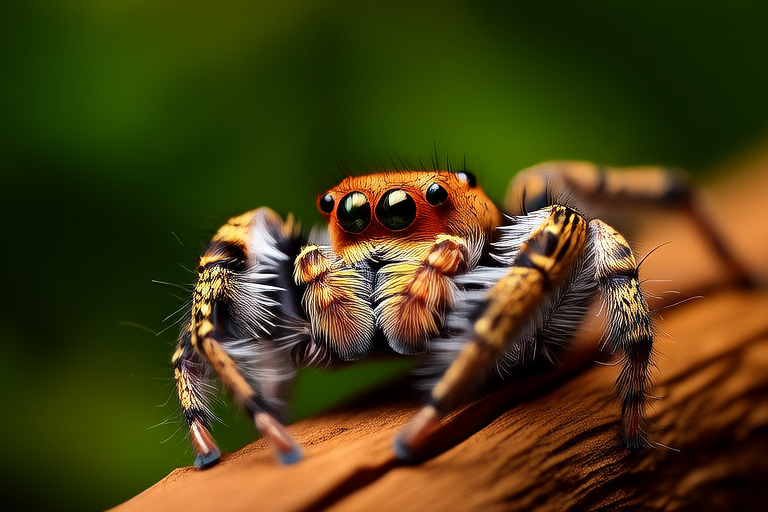
Tarantulas have eight eyes arranged in two rows across their head. Despite this seemingly complex setup, their vision is quite poor. Instead of relying on sight, tarantulas use their highly sensitive legs to sense vibrations in the air and ground. These vibrations help them detect prey, mates, and potential threats, making their legs their primary sensory organs.
3. Tarantulas Can Regrow Lost Limbs
One of the most incredible abilities of tarantulas is their capability to regenerate lost limbs. If a tarantula loses a leg during a fight or an accident, it can regrow the limb during its next molt. This process, known as autotomy, allows tarantulas to survive and recover from injuries that would be fatal to many other animals. However, regrowing a leg takes time and energy, so it’s not a trivial process.
4. They Have Unique Hunting Techniques
Tarantulas are ambush predators, meaning they wait for prey to come close before striking. Once their prey is within reach, they use their powerful jaws to inject venom and immobilize their victim. Some species of tarantulas also spin webs to catch insects, though they are not known for building intricate, sticky webs like orb weavers. Instead, they create simple trip wires to alert them when prey is nearby.
5. Tarantulas Are Not All Black and Hairy
While the image of a large, black, hairy spider may be the first thing that comes to mind when thinking of tarantulas, there is great diversity within this family. There are over 900 species of tarantulas, ranging in color from dark brown to bright blue. Some tarantulas even have patterns on their bodies, adding to their already unique appearance. Additionally, not all tarantulas are covered in hair; some species have shorter, finer hairs or none at all.
6. Tarantulas Are Solitary Creatures
Tarantulas lead solitary lives, living alone in burrows or hiding places. They only interact with others of their kind during mating season. Even then, males and females spend very little time together, and after mating, the female often consumes the male. This behavior, known as sexual cannibalism, is not common in all species but has given tarantulas a reputation for being particularly aggressive.
7. They Can Live for Decades
Compared to many other spiders, tarantulas have exceptionally long lifespans. Female tarantulas can live up to 30 years or more, while males typically live for about 10 years. Their longevity is due in part to their slow metabolism and ability to conserve energy. This long lifespan makes tarantulas one of the longest-lived arachnids in the world.
8. Tarantulas Use Urticating Hairs for Defense
Many tarantula species have specialized hairs on their abdomen called urticating hairs. When threatened, these tarantulas rub their hind legs against their abdomen, releasing clouds of these tiny, barbed hairs into the air. These hairs irritate the skin and eyes of predators, providing a potent defense mechanism. Some people who handle tarantulas without proper protection can experience allergic reactions or skin irritation from these hairs.
9. Tarantulas Have a Complex Social Structure During Mating
Despite being solitary creatures, tarantulas exhibit a surprising level of social interaction during mating. Male tarantulas leave scent trails to attract females and perform elaborate courtship dances to avoid being eaten. Females respond by either accepting or rejecting the male based on his performance. This complex ritual ensures that only the fittest males get to mate, contributing to the survival of the species.
10. Tarantulas Play a Crucial Role in Ecosystems
Tarantulas are vital members of their ecosystems, helping to control insect populations and maintaining ecological balance. By preying on insects, they prevent overpopulation and ensure that resources remain available for other organisms. Additionally, tarantulas serve as food for larger predators, contributing to the overall health and diversity of their habitats. Their presence in an ecosystem is a sign of a healthy, functioning environment.
Conclusion
From their impressive hunting techniques to their unique defensive mechanisms, tarantulas are far more than just scary spiders. Understanding these creatures can help us appreciate their role in nature and see them as the fascinating animals they truly are. So next time you encounter a tarantula, take a moment to marvel at its complexity and wonder, rather than recoil in fear. After all, these eight-legged wonders have much to teach us about survival, adaptation, and the beauty of nature.
