Top 10 Fascinating Facts About Clownfish You Need to Know!
Clownfish, also known as anemonefish, are some of the most recognizable and beloved fish in the ocean. Their bright colors, quirky personalities, and unique relationship with sea anemones have made them popular in both aquariums and movies like Finding Nemo. However, there’s much more to these tiny fish than meets the eye. Let’s dive into ten fascinating facts about clownfish that will leave you amazed.
1. A Unique Symbiotic Relationship with Sea Anemones
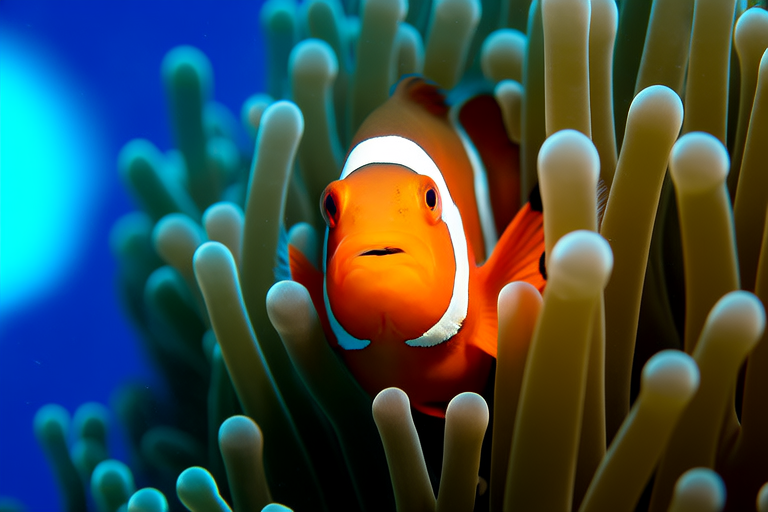
One of the most remarkable features of clownfish is their symbiotic relationship with sea anemones. These small fish live among the tentacles of anemones, which provide protection from predators. The anemone’s stinging cells, or nematocysts, paralyze prey and deter potential threats. However, clownfish have developed a special mucus layer on their skin that prevents the anemone from stinging them. This adaptation allows clownfish to thrive in close proximity to the anemone, where they can find food and shelter.
Scientists believe that this mutualistic relationship benefits both parties. While the clownfish are protected from predators, the anemone receives nutrients from the clownfish’s waste products and possibly from parasites that the clownfish eat. This intricate partnership has fascinated researchers for decades and continues to be studied in marine biology.
2. Clownfish Have a Diverse Habitat
Clownfish are native to warm waters of the Indian and Pacific Oceans, including the Great Barrier Reef off the coast of Australia, the Red Sea, and the South China Sea. They prefer shallow waters near coral reefs, where sea anemones are abundant. Clownfish are found at depths ranging from 3 to 60 meters (10 to 200 feet), depending on the species and location. Some species, like the common clownfish (Amphiprion ocellaris), are more widespread and can be found in various habitats, while others, such as the Hawaiian clownfish (Amphiprion sandaracinos), are restricted to specific regions.
Despite their preference for tropical waters, clownfish have been introduced to other parts of the world through the aquarium trade. In some cases, these introductions have led to successful establishment of non-native populations, which may pose ecological risks to local ecosystems.
3. Clownfish Are Omnivorous and Have Specific Dietary Preferences
Clownfish are omnivores, meaning they eat both plant and animal matter. Their diet consists primarily of algae, zooplankton, and small invertebrates like copepods and amphipods. They also feed on the leftovers from the anemone’s meals, including fish and shrimp remains. This diverse diet allows clownfish to adapt to different environments and food availability.
Interestingly, the dietary preferences of clownfish change as they grow older. Young clownfish tend to eat more zooplankton, while adults consume more algae and detritus. This shift in diet is believed to be related to the increased energy demands of reproduction and maintaining their symbiotic relationship with sea anemones.
4. Clownfish Exhibit Complex Social Structures
Clownfish live in groups within a single anemone, and their social structure is hierarchical. Typically, one dominant female leads the group, followed by one or more males. The largest male acts as the secondary reproductive partner, while the remaining individuals are non-reproductive. This hierarchy is maintained through aggressive behavior, with the dominant female being the most aggressive. If the dominant female dies, the largest male undergoes a sex change and becomes the new female, ensuring the continuation of the group.
This complex social structure is unique among fish and has been extensively studied by marine biologists. Understanding the dynamics of clownfish societies can provide valuable insights into the evolution of social behaviors in aquatic animals.
5. Clownfish Are Protandrous Hermaphrodites
One of the most intriguing aspects of clownfish biology is their ability to change sex. Clownfish are protandrous hermaphrodites, meaning they begin their lives as males and can later become females. This process, known as sequential hermaphroditism, occurs when the dominant female in a group dies or is removed. The largest male then undergoes a rapid transformation, growing larger and developing female characteristics, including eggs and ovaries.
This remarkable ability to change sex ensures that clownfish populations can maintain stable breeding groups, even in the absence of a dominant female. It also highlights the incredible adaptability of these fish to changing environmental conditions.
6. Breeding Habits of Clownfish
Clownfish reproduce through external fertilization, with the female laying thousands of eggs on a flat surface near the anemone. The male then fertilizes the eggs by releasing sperm over them. Both parents guard the eggs, fanning them with their fins to ensure proper oxygenation and cleaning them of debris and fungi. After about six to seven days, the eggs hatch, and the larvae float away with the currents.
Once the larvae reach maturity, they settle on the reef and seek out a suitable sea anemone to call home. This process can be challenging, as not all larvae survive the journey or find a compatible host. Those that do establish themselves in a new anemone begin their own reproductive cycle, continuing the lifecycle of the clownfish.
7. Clownfish Have Distinctive Color Patterns
Clownfish are known for their vibrant color patterns, which can range from orange and white stripes to red and black bands, depending on the species. These striking colors serve multiple purposes. Firstly, they act as a warning signal to potential predators, indicating that the fish is toxic due to the presence of palytoxin, a neurotoxin found in sea anemones. Secondly, the distinct patterns help clownfish recognize each other within their group, facilitating communication and cooperation.
Interestingly, the color patterns of clownfish can change throughout their lives. For example, juvenile clownfish often have a different coloration than adults, which may help them blend in with the anemone or avoid detection by predators. As they mature, their color patterns become more pronounced, making them easier to identify and communicate with within their group.
8. Clownfish Face Numerous Threats in the Wild
Despite their popularity and adaptability, clownfish face several threats in the wild. One of the biggest challenges is habitat destruction caused by climate change, pollution, and overfishing. Coral reefs, which provide essential habitats for clownfish and their anemone hosts, are particularly vulnerable to these pressures. Rising sea temperatures and ocean acidification can lead to coral bleaching, where corals expel the algae living within their tissues, turning white and potentially dying. Without healthy coral reefs, clownfish populations can decline.
In addition to habitat loss, clownfish are also targeted by the aquarium trade. Overharvesting for the pet industry can deplete local populations, especially in areas where regulations are lax or poorly enforced. To mitigate these threats, many organizations advocate for sustainable practices, such as captive breeding and responsible sourcing of aquarium specimens.
9. Clownfish Can Change Their Host Anemone
While clownfish are known for their strong bond with their host anemone, they are not permanently tied to a single individual. In fact, if necessary, clownfish can change their host anemone. This behavior is often observed when a preferred anemone becomes unhealthy or when the fish is displaced from its current host. By moving to a new anemone, clownfish can ensure their survival and continue their symbiotic relationship.
However, changing hosts is not without risk. Clownfish must carefully select a new anemone that provides adequate protection and food resources. They also need to acclimate to the new host’s chemical cues, which may take time. Despite these challenges, the ability to change hosts demonstrates the resilience and adaptability of clownfish in the face of environmental changes.
10. Clownfish Are Important Indicator Species
Clownfish play a crucial role in marine ecosystems as indicator species. Their sensitivity to changes in water quality, temperature, and pH makes them excellent indicators of overall ecosystem health. Scientists often monitor clownfish populations to assess the impact of human activities, such as pollution and climate change, on marine environments. By studying clownfish, researchers can gain insights into broader trends affecting coral reefs and other marine organisms.
Furthermore, clownfish contribute to the biodiversity of coral reefs by interacting with other species, including algae, plankton, and invertebrates. Their presence helps maintain the delicate balance of these ecosystems, making them essential for the health and stability of marine communities.
In conclusion, clownfish are far more than just colorful inhabitants of the ocean. They are fascinating creatures with complex behaviors, unique adaptations, and vital roles in marine ecosystems. Whether you’re a seasoned diver or simply an admirer of nature’s wonders, there’s always something new to learn about these captivating fish. So next time you spot a clownfish darting among the tentacles of a sea anemone, take a moment to appreciate the intricate web of life that surrounds them.
