Arowana Ownership 101: Tips for Thriving with This Exotic Pet
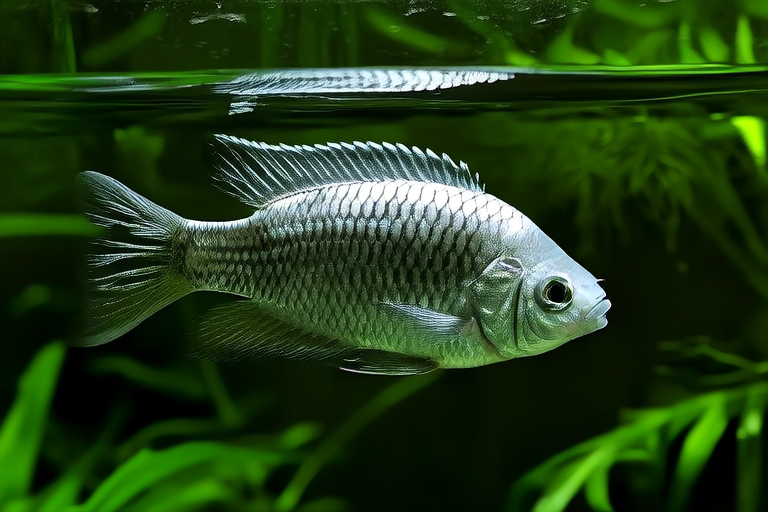
Arowanas are among the most exotic and fascinating fish species that can be kept as pets. Known for their striking appearance and remarkable jumping abilities, these freshwater giants originate from the rivers and swamps of Southeast Asia, particularly countries like Indonesia, Malaysia, Thailand, and Brazil. Their elongated bodies, adorned with shimmering scales and a distinctive dorsal fin, make them stand out in any aquarium. What makes them unique as pets is their intelligence and interaction with humans, which can be quite rewarding for dedicated aquarists.
The Native Habitats of Arowanas
Native to tropical regions, arowanas thrive in warm, slow-moving waters rich in vegetation. These environments provide ample space for swimming and hiding spots to mimic their natural habitat. Understanding their origins helps aquarists recreate similar conditions in captivity, ensuring the fish remain healthy and active.
Why Arowanas Make Unique Pets
Arowanas are more than just ornamental fish; they are intelligent creatures capable of recognizing their caretakers. Their ability to leap out of the water to catch prey or react to movement outside the tank adds an element of excitement to their care. However, due to their large size and specific needs, owning an arowana is a significant commitment.
Care Requirements for Arowanas
Tank Size
Arowanas grow rapidly and require spacious tanks. Juveniles may start in smaller setups but will eventually need at least a 125-gallon tank for one adult. The tank should be long rather than tall, allowing plenty of horizontal swimming space.
Water Quality
Optimal water parameters include a pH level between 6.5 and 7.5 and hardness ranging from soft to moderately hard. Regular water changes are essential to maintain these conditions. Employ high-quality filters to keep the water clean and free from harmful substances.
Temperature
Maintaining a stable temperature between 78°F and 84°F (25°C to 29°C) is crucial. Use reliable heaters and thermometers to monitor and control this aspect of their environment.
Filtration Systems
Efficient filtration is vital to prevent ammonia and nitrite buildup. Choose filters that provide mechanical, biological, and chemical filtration. Regular maintenance of the filter system ensures its effectiveness over time.
Dietary Needs and Feeding Habits
Arowanas are carnivorous and enjoy a varied diet. They primarily feed on live foods such as feeder fish, shrimp, and insects. Supplementing their diet with high-quality pellets and frozen foods provides essential nutrients. Feed them once or twice daily, adjusting the amount based on their appetite and activity levels.
Behavioral Traits and Interaction
Arowanas are generally peaceful but can become territorial as they mature. They often display curiosity and may approach the front of the tank when they see movement. Handling should be done carefully, avoiding direct contact with the fish to prevent stress and injury.
Maintaining a Stress-Free Environment
To minimize stress, provide ample hiding spots and ensure a well-balanced ecosystem. Avoid sudden changes in water chemistry and temperature. Regular observations help identify any signs of distress early.
Common Health Issues and Preventative Measures
Common health issues include bacterial infections, fungal growth, and parasites. Early signs of illness might include lethargy, loss of appetite, and discolored patches on the body. Regular check-ups and quarantine procedures for new additions can help prevent the spread of diseases.
Purchasing Healthy Arowanas
When acquiring an arowana, choose reputable breeders or pet stores known for ethical practices. Inspect the fish for signs of health and inquire about their feeding and care routines. A healthy arowana should have clear eyes, vibrant coloration, and active swimming behavior.
Resources for Further Learning
For those eager to deepen their knowledge, consider joining local aquarium clubs or online forums. Books and articles on advanced aquarist techniques offer valuable insights into specialized care practices. Engaging with other enthusiasts provides support and inspiration for continued success in keeping these magnificent fish.
Owning an arowana is a rewarding yet challenging endeavor that requires dedication and expertise. By following these guidelines, aquarists can provide their pets with optimal living conditions, ensuring they lead long, healthy lives filled with joy and interaction. Embrace the journey of caring for these unique creatures, and together, you and your arowana can share many memorable moments.
