From Nome to Your Home: Raising Siberian Huskies
Siberian Huskies are iconic dogs known for their striking appearance and rich history. Originating from Siberia, they were bred by the Chukchi people to pull sleds across vast distances in harsh conditions. These dogs have since become beloved pets and athletes, particularly famous for their role in the annual Iditarod race. Understanding their background, characteristics, and care needs is crucial for anyone considering adding a Siberian Husky to their family.
The History and Role of Siberian Huskies
The story of Siberian Huskies begins with the Chukchi people of Northeastern Asia. Bred for endurance and strength, these dogs were indispensable for transportation and hunting. Their ability to withstand extreme cold and cover long distances made them invaluable to their human companions. The breed was introduced to Alaska during the gold rush era, where they quickly gained recognition for their prowess as sled dogs.
In 1925, during a diphtheria outbreak in Nome, Alaska, a relay of mushers and their Siberian Huskies delivered life-saving serum across treacherous terrain. This event, immortalized as the “Great Race of Mercy,” cemented the breed’s reputation and inspired the creation of the Iditarod Trail Sled Dog Race. Today, the Iditarod is a test of endurance and skill, with teams of Siberian Huskies racing over 1,000 miles through Alaska’s wilderness.
Physical Traits and Temperament
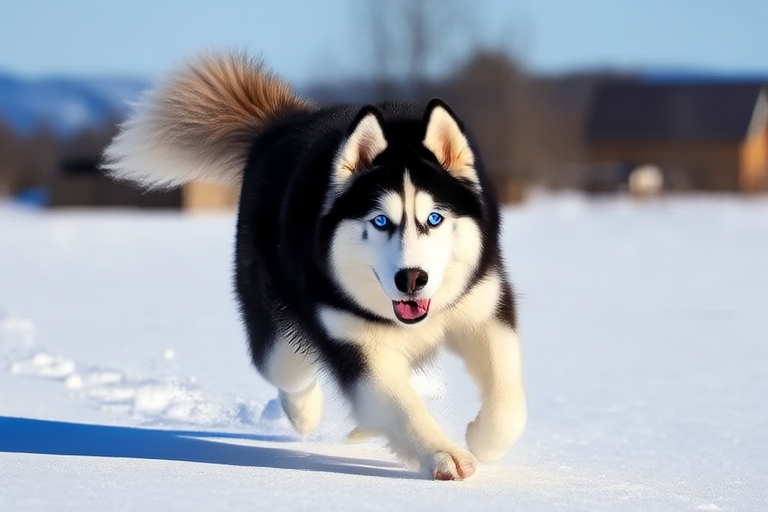
Siberian Huskies are medium-sized dogs with a distinctive appearance. They have thick double coats that come in various colors, including black and white, gray and white, and copper red and white. Their eyes can be blue, brown, or one of each color, giving them an ethereal look. Their ears are triangular and stand erect, while their tails curl up and over their backs when they’re alert or excited.
Physically, Siberian Huskies are built for speed and stamina. Their muscular bodies, strong legs, and deep chests allow them to maintain high speeds over long distances. However, beneath their robust exterior lies a gentle and playful spirit. Known for their friendly nature, Siberian Huskies are typically good with children and other animals. They are also highly intelligent, which can sometimes lead to independent behavior if not properly trained.
Raising Siberian Huskies: Essential Tips
Nutrition
A balanced diet is crucial for maintaining your Siberian Husky’s health and energy levels. High-quality dog food that meets their nutritional needs is essential. Look for foods rich in protein, fats, and carbohydrates, tailored to their active lifestyle. Consult your veterinarian to determine the best diet for your dog based on age, weight, and activity level. Avoid overfeeding, as obesity can lead to health problems.
Exercise Needs
Siberian Huskies are energetic and require regular exercise to stay healthy and happy. Daily walks, runs, or play sessions are necessary to burn off excess energy and keep them mentally stimulated. Providing opportunities for them to pull a light sled or engage in interactive games can also help satisfy their natural urge to pull. Without adequate exercise, they may become restless and destructive.
Grooming
Grooming a Siberian Husky involves regular brushing to manage their shedding and keep their coat healthy. During shedding season, daily brushing may be required to remove loose fur. Bathing should be done sparingly, as frequent bathing can strip their coat of its natural oils. Additionally, check their ears regularly for signs of infection and clean them gently if needed.
Training
Training a Siberian Husky requires patience and consistency. They are intelligent but can be stubborn, so positive reinforcement methods work best. Start training early, focusing on basic commands like sit, stay, and come. Socialization is also important, exposing them to different environments, people, and animals to ensure they grow up to be well-rounded and confident.
Common Health Issues and Well-being
While generally healthy, Siberian Huskies are prone to certain health issues. Hip dysplasia, a condition affecting the hip joint, is common in large breeds. Regular veterinary check-ups can help detect and manage this condition. Another concern is progressive retinal atrophy (PRA), which affects vision. Genetic testing can identify carriers and reduce the risk of passing on the disease.
To ensure your Siberian Husky’s well-being, provide a balanced diet, regular exercise, and routine veterinary care. Early detection and treatment of any health issues can significantly improve their quality of life. Keep them hydrated, especially in hot weather, and monitor their weight to prevent obesity.
Socializing and Integrating Siberian Huskies into Families
Siberian Huskies are pack-oriented dogs that thrive in social settings. Early socialization is vital to ensure they get along well with other dogs and humans. Expose them to various environments, sounds, and experiences to build confidence and reduce fearfulness. Positive interactions with people and animals will foster a friendly and well-adjusted pet.
Integrating a Siberian Husky into a family requires understanding their needs and providing a loving environment. They enjoy being part of the family unit and benefit from consistent routines. Supervise interactions with young children to ensure safety and proper handling. Encourage gentle play and teach children how to respect the dog’s boundaries.
Living with a Siberian Husky can be a rewarding experience. Their loyalty, intelligence, and affection make them wonderful companions. By providing them with the care and attention they need, you can ensure a happy and fulfilling life for both you and your furry friend.
From their origins in Siberia to their starring roles in the Iditarod, Siberian Huskies have earned their place as beloved pets and athletes. Understanding their history, characteristics, and care needs is essential for prospective and current owners. With proper nutrition, exercise, grooming, and training, you can raise a healthy, happy, and well-socialized Siberian Husky. Embrace the journey of raising these magnificent dogs, and enjoy the companionship they offer.
