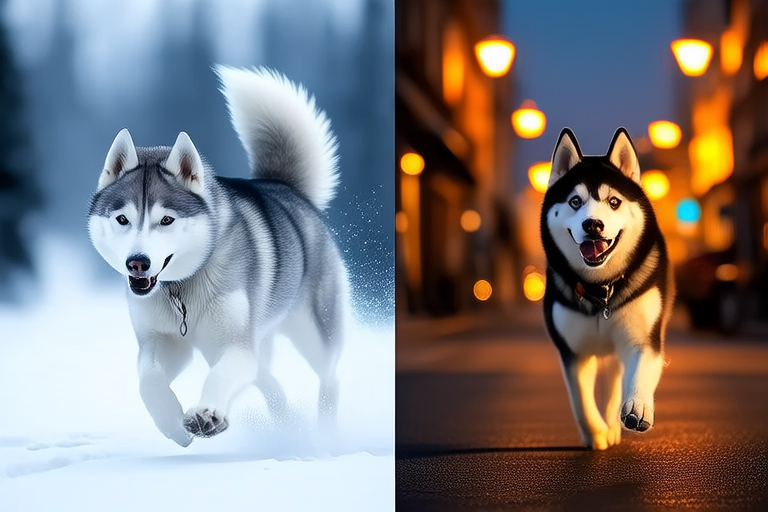
From Tundra to Urban Homes: Raising a Siberian Husky
The Siberian Husky is a breed of dog that has captured the hearts of many pet lovers around the world. Known for their striking blue or multi-colored eyes, thick fur, and friendly demeanor, these dogs have a rich history that dates back centuries. Originally bred by the Chukchi people of Siberia, they were used for sledding and herding reindeer. This article will guide you through the process of raising a Siberian Husky, from understanding their origins to adapting them to life in modern urban environments.
Historical Background and Origins
Siberian Huskies originated in the harsh tundra regions of northeastern Asia, where they were developed by the Chukchi people. These dogs were bred to be efficient sled pullers, capable of covering long distances in extreme cold. Their endurance and resilience made them invaluable companions in the Chukchi’s nomadic lifestyle. In the early 20th century, Siberian Huskies were introduced to Alaska during the Nome Gold Rush. They quickly became popular for their ability to travel long distances with minimal food and water. Today, Siberian Huskies are beloved pets and show dogs worldwide.
Characteristics of Siberian Huskies
Siberian Huskies are known for their loyalty, endurance, and social nature. They are highly intelligent dogs that thrive on human companionship. Their loyalty makes them excellent family pets, and their endurance ensures they can handle the rigors of outdoor activities. Socially, Siberian Huskies are outgoing and friendly, often getting along well with other animals. However, due to their independent nature, they may require more patience and consistent training.
Physical Activity Needs
Siberian Huskies are an active breed that requires regular exercise to maintain their physical and mental health. Daily walks, runs, or play sessions are essential to keep them happy and healthy. They are particularly fond of running and chasing, so providing them with ample opportunities to engage in these activities is crucial. Without sufficient exercise, they may become restless and exhibit destructive behavior. It is recommended to provide at least one hour of vigorous exercise daily.
Dietary Requirements
Proper nutrition is vital for maintaining a Siberian Husky’s health and vitality. A balanced diet rich in protein, fat, and carbohydrates is ideal. High-quality dog food that meets AAFCO standards is recommended. Avoid overfeeding, as obesity can lead to various health issues. Consult your veterinarian for specific dietary recommendations based on your dog’s age, weight, and activity level. Regular meals and a consistent feeding schedule are important for maintaining a healthy weight.
Grooming Tips
Siberian Huskies have a thick double coat that requires regular grooming to prevent matting and skin irritation. Brushing them at least once a week is recommended, with increased frequency during shedding seasons. Bathing should be done sparingly, as excessive bathing can strip their coat of natural oils. Pay special attention to their ears and nails, ensuring they are clean and trimmed as needed. Proper grooming helps maintain their coat’s health and appearance.
Common Health Issues
While generally healthy, Siberian Huskies are prone to certain genetic conditions. Hip dysplasia, cataracts, and progressive retinal atrophy are among the most common issues. Regular veterinary check-ups and genetic testing can help identify potential problems early. Providing a nutritious diet, proper exercise, and routine medical care can significantly reduce the risk of these conditions. Early intervention is key to managing any health issues effectively.
Training Techniques
Training a Siberian Husky requires patience and consistency. Due to their independent nature, they may not respond immediately to commands. Positive reinforcement techniques, such as treats and praise, work best. Consistent training sessions can help establish clear communication between you and your dog. Early socialization is also crucial for developing good behavior. Exposing them to different environments, people, and animals can help them become well-adjusted adults. Patience and consistency are key to successful training.
Challenges of Owning a Siberian Husky in Urban Environments
Owning a Siberian Husky in an urban environment presents unique challenges. Their high energy levels and need for space can make living in small apartments difficult. Providing ample opportunities for exercise and mental stimulation is essential. Urban environments may also pose risks, such as traffic and other animals. Ensuring your dog is safe and comfortable is paramount. Adapting their care to suit urban living involves creative solutions, such as utilizing parks and designated off-leash areas for exercise.
Adapting Care for Urban Living
To adapt Siberian Huskies to urban living, consider the following strategies:
- Regular Exercise: Utilize local parks, trails, and dog-friendly spaces for daily exercise.
- Mental Stimulation: Engage them in interactive games and puzzles to keep their minds sharp.
- Socialization: Introduce them to new environments and people to foster confidence and good behavior.
- Safe Outdoor Areas: Ensure they have access to secure, enclosed spaces for supervised outdoor time.
With proper planning and dedication, Siberian Huskies can thrive in urban environments. By addressing their physical, emotional, and social needs, you can ensure a fulfilling life for both you and your furry companion.
The Rewarding Experience of Raising a Siberian Husky
Raising a Siberian Husky is a rewarding experience filled with love, companionship, and adventure. Their loyalty, intelligence, and playful nature make them wonderful companions. While they may require extra effort and attention, the bond you form with your Siberian Husky is truly special. Embracing their unique qualities and providing them with the care they need will result in a lifetime of joy and cherished memories. With proper guidance and care, raising a Siberian Husky can be a deeply enriching experience.
