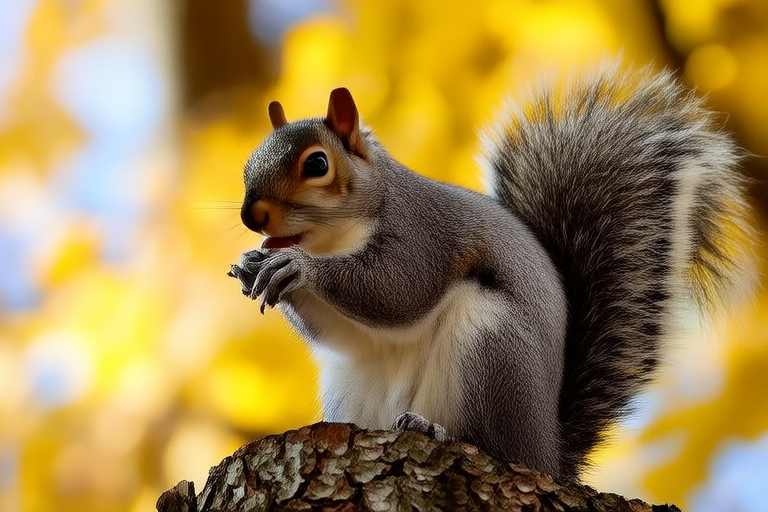
Squirreling Around: Urban Legends and Real Facts About Your Backyard Friend
Welcome to a delightful exploration of one of the most ubiquitous creatures in urban and suburban landscapes – the squirrel. These agile, bushy-tailed rodents have captured our imaginations and curiosity for centuries. In this article, we’ll delve into the world of squirrels, separating fact from fiction, and uncovering the real behaviors and habits that make these backyard friends so fascinating.
Common Myths and Misconceptions
Before we dive into the nitty-gritty of squirrel life, let’s address some of the most prevalent myths surrounding these critters.
- Myth: Squirrels are always busy burying nuts. Fact: While it’s true that squirrels do store food for the winter, they aren’t constantly digging holes. They typically cache food in strategic locations, but only when necessary.
- Myth: All squirrels are the same. Fact: There are over 200 species of squirrels worldwide, each with unique characteristics and habitats.
- Myth: Squirrels are pests that only cause trouble. Fact: Squirrels play a vital role in maintaining ecosystems by dispersing seeds and controlling insect populations.
Squirrel Behavior: A Closer Look
Squirrels are known for their acrobatic skills and playful antics. They are highly adaptable animals, capable of thriving in various environments. Their behavior is influenced by their need to find food, avoid predators, and raise their young.
One of the most remarkable aspects of squirrel behavior is their ability to navigate complex environments. Squirrels can leap distances up to ten times their body length and are adept at climbing trees and traversing power lines. Their keen sense of balance and agility make them excellent climbers and jumpers.
In terms of communication, squirrels use a variety of vocalizations and body language to convey messages. For example, they may chatter to warn others of potential threats or use tail flicks to express excitement or agitation.
Diet and Feeding Habits
Squirrels are omnivores, meaning they eat both plant and animal matter. Their diet primarily consists of seeds, nuts, fruits, and buds. However, they also consume insects, bird eggs, and small vertebrates when available.
The caching behavior of squirrels is particularly interesting. They use their excellent spatial memory to remember where they’ve hidden their food. This strategy helps them survive during periods of scarcity. Studies have shown that squirrels can recall the location of thousands of caches, even months after burying them.
Habitat Preferences in Urban Settings
Urbanization has had a significant impact on squirrel populations. Many species have adapted to city life, finding new ways to thrive amidst concrete jungles. In urban areas, squirrels often seek out parks, gardens, and green spaces that offer ample food sources and shelter.
Urban squirrels face challenges such as traffic, pollution, and competition for resources. Despite these obstacles, they have proven resilient, developing innovative strategies to survive. For instance, they have learned to cross streets safely by waiting for gaps in traffic and have adapted to eating human-provided food.
The Role of Squirrels in Seed Dispersal
Squirrels play a crucial role in seed dispersal, which is essential for maintaining biodiversity. By caching seeds and inadvertently forgetting some of them, squirrels help plants colonize new areas. This process aids in the regeneration of forests and contributes to the overall health of ecosystems.
Research has shown that certain tree species rely heavily on squirrels for seed dispersal. For example, oak trees benefit greatly from the caching activities of gray squirrels. Without these animals, many plant species would struggle to spread and regenerate.
Tips for Coexisting Peacefully with Squirrels
Living alongside squirrels can be a rewarding experience, but it requires understanding and respect for their needs. Here are some tips for coexisting peacefully:
- Create a welcoming environment: Plant native trees and shrubs that provide food and shelter for squirrels. Avoid using pesticides that could harm them.
- Secure trash bins: Squirrels can be opportunistic feeders and may raid open trash bins. Ensure your bins are sealed tightly to prevent access.
- Use squirrel-proof feeders: If you enjoy feeding birds, consider investing in feeders designed to deter squirrels. These devices often feature mechanisms that close off access when a squirrel tries to enter.
- Be cautious around nesting sites: Squirrels may build nests in attics or other parts of your home. If you discover a nest, avoid disturbing it unless absolutely necessary. Contact a professional wildlife removal service if you’re concerned about safety.
Conclusion
Squirrels are more than just cute, furry creatures; they are integral components of our ecosystems. By understanding their behavior, diet, and habitat preferences, we can better appreciate the role they play in our environment. Let’s continue to foster a harmonious relationship with these remarkable animals, ensuring their continued presence in our lives.
