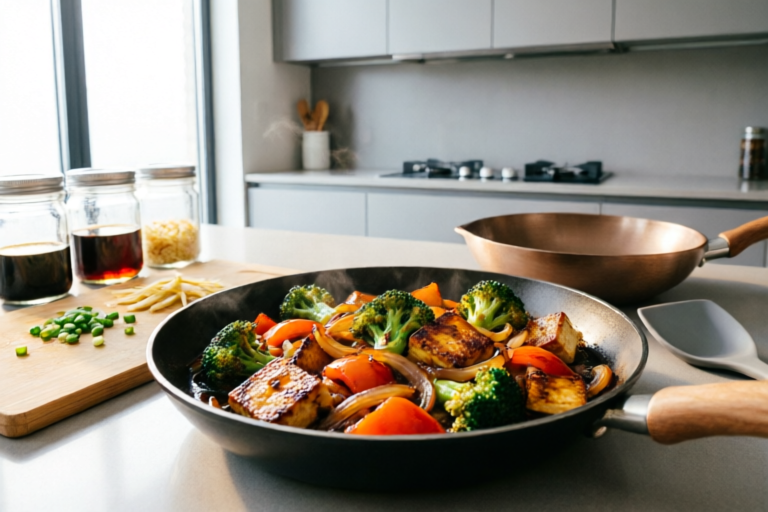
Why Your Stir-Fry Isn't Flavorful and How to Fix It
Unlock the Secrets to Flavorful Stir-Fry
Introduction: The Common Stir-Fry Dilemma
Have you ever prepared a stir-fry only to find it disappointingly bland? You're not alone. Many home cooks struggle with achieving the rich, complex flavors that characterize authentic Asian cuisine. In this article, we'll explore common reasons why your stir-fry might lack flavor and provide actionable tips to fix it. By the end, you'll be well-equipped to prepare delicious, restaurant-quality stir-fries at home.
Ingredient Quality: The Foundation of Flavor
The foundation of any great dish lies in its ingredients. Fresh, high-quality ingredients are crucial for achieving vibrant flavors in your stir-fry. Let's dive into how you can select the best ingredients and prepare them properly.
Selecting High-Quality Ingredients
Choose fresh vegetables that are crisp and vibrant in color. For meats, opt for lean cuts that are tender and free from excess fat. Aromatics like garlic, ginger, and onions should be firm and aromatic when lightly crushed. Don't forget to check the freshness of your herbs and spices, as they play a vital role in enhancing the overall flavor profile.
Proper Preparation
Preparing your ingredients correctly is just as important as selecting them. Wash and dry your vegetables thoroughly. Cut them into uniform pieces so they cook evenly. For meats, marinate them in a mixture of soy sauce, rice wine, and cornstarch to enhance flavor and texture. Ensure all ingredients are at room temperature before cooking to prevent the wok from cooling down too quickly.
Cooking Techniques: Mastering the Wok
Mastering the wok is essential for achieving the right texture and flavor in your stir-fry. Here are some key techniques to help you get started.
High Heat and Quick Cooking
Stir-frying requires high heat and quick cooking to lock in moisture and develop flavor. Preheat your wok over high heat until it's hot enough to make water sizzle. Add a small amount of oil and swirl it around the wok to ensure even distribution.
Oil Selection and Heating Techniques
Choose oils with a high smoke point, such as peanut or vegetable oil, to withstand the high temperatures required for stir-frying. Heat the oil until it shimmers but not beyond the smoking point. Adding ingredients at the right moment ensures they sear quickly without burning.
Timing and Order of Adding Ingredients
Add ingredients in the correct order based on their cooking time. Start with harder ingredients like meat or tofu, followed by firmer vegetables like bell peppers and carrots. Finish with softer vegetables like spinach or scallions. This ensures everything is cooked evenly and retains its texture.
Seasoning Secrets: Balancing Flavors
Seasoning is where the magic happens in a stir-fry. Properly balancing salt, sugar, acid, and umami can elevate your dish from ordinary to extraordinary.
Essential Seasonings
Use a combination of soy sauce, fish sauce, oyster sauce, and sesame oil to create a harmonious blend of flavors. Soy sauce adds saltiness and umami, while fish sauce provides a savory depth. Oyster sauce enhances sweetness and richness, and sesame oil adds a nutty finish.
Adjusting Seasoning for Personal Taste
Everyone has different taste preferences. Start with a small amount of each seasoning and gradually increase until you achieve the desired flavor balance. Taste as you go and adjust accordingly.
Common Seasoning Mistakes to Avoid
Avoid over-seasoning, which can overwhelm delicate flavors. Also, be cautious with acidic ingredients like lime juice or vinegar, as they can overpower other flavors if used in excess.
Sauce Making: Enhancing Flavor with Sauces
Adding a homemade sauce can take your stir-fry to the next level. Here are some simple recipes and tips for incorporating sauces effectively.
Simple Homemade Sauce Recipes
Create a basic stir-fry sauce by combining soy sauce, rice vinegar, sugar, and cornstarch. For extra depth, add a splash of oyster sauce or hoisin sauce. Mix these ingredients together in a bowl and set aside.
When and How to Add Sauces
Stir the sauce thoroughly and add it towards the end of cooking. Toss the ingredients in the sauce to coat evenly. Be careful not to overcook the sauce, as it can become sticky and lose its sheen.
Using Sauces to Balance Sweetness, Sourness, and Umami
Balance sweetness with a touch of sugar or honey, sourness with a squeeze of lime or a dash of vinegar, and umami with soy sauce, fish sauce, or mushrooms. Adjust these elements to suit your taste.
Final Tips and Tricks: Taking Your Stir-Fry to the Next Level
Here are some additional tips to help you perfect your stir-fry technique and avoid common pitfalls.
Additional Tips
For a crispy texture, pat dry your ingredients before cooking. Use a non-stick wok or pan to prevent sticking. Add a small amount of broth or water to deglaze the wok and capture all the tasty bits stuck to the bottom.
Pitfalls to Watch Out For
Overcrowding the wok can lead to steaming instead of frying. Cook in batches if necessary. Also, avoid using too much liquid, as it can dilute flavors and make the dish watery.
Encouragement to Experiment and Practice
Don't be afraid to experiment with different ingredients, seasonings, and sauces. Practice makes perfect, and with time, you'll develop your own signature stir-fry style.
Conclusion: Enjoying Flavorful Stir-Fries Every Time
In conclusion, achieving a flavorful stir-fry comes down to selecting high-quality ingredients, mastering cooking techniques, and balancing seasonings. By following the tips outlined in this article, you'll be well on your way to preparing delicious, restaurant-quality stir-fries at home. Keep experimenting, and soon you'll be enjoying flavorful stir-fries every time.
Comments

Loved the easy sauce recipes. Made my weeknight dinners so much easier!

Great article! Just curious, what's the best type of wok for beginners?

The sauce recipe was spot on! Added a bit of lime juice for extra zing.

Any suggestions for making this healthier? I'm trying to cut down on oil.

I never thought about the quality of ingredients. Now my stir-fry tastes so much better!

Thanks for the tips on timing! My veggies were always overcooked before.

Tried this, loved it! Adding a bit more soy sauce made all the difference.