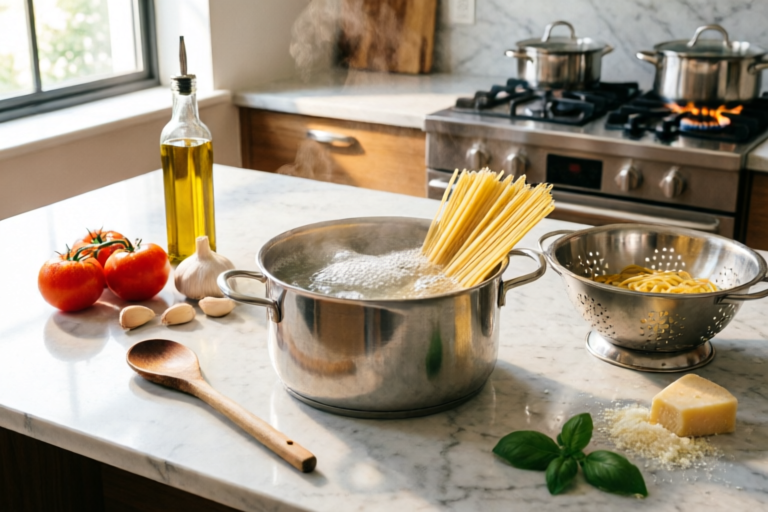
## 1. Introduction: Debunking the Time Myth
In the fast-paced world of modern living, the evening meal often becomes a source of stress rather than comfort. Many home cooks operate under a persistent belief system that equates deliciousness with duration—that a truly satisfying meal must simmer for hours or involve laborious preparation methods that consume the entire night. However, when it comes to the humble yet versatile pasta dish, this perception is not only outdated but counterproductive. Achieving restaurant-quality pasta does not require slow preparation, expensive ingredients, or hours of standing over a stove.
The goal of this comprehensive guide is to shatter that myth once and for all. We are setting a clear objective: to prepare a meal that rivals the finest trattoria experience in under twenty minutes from start to finish. Yes, this timeline includes everything from getting the pot to the boil to the final plating of the dish. It sounds ambitious, perhaps even impossible to the novice, but the reality lies in efficiency, strategy, and understanding the mechanics of cooking pasta.
Pasta is unique because its primary component, dried semolina dough, is designed specifically for rapid rehydration and cooking compared to other grains or proteins. While a beef stew might require a four-hour slow roast to break down collagen, pasta is built for speed. The secret ingredient isn't more time; it is better technique. By focusing on precision rather than duration, you unlock the ability to create a comforting, hearty meal instantly.
We will dismantle the step-by-step process of making pasta, analyzing every variable that influences the outcome. From the shape of the noodle to the temperature of the boiling water, each decision impacts the final texture and flavor profile. Many people believe they lack the skills to cook pasta quickly, often resulting in mushy, bland dishes. This guide provides a roadmap to eliminate those failures. Whether you are a busy professional returning home late from work, a parent needing a quick solution for children, or a student with limited kitchen experience, the principles outlined here will empower you to take command of your kitchen clock.
We also want to address the psychological aspect of rushing. Panic leads to burnt garlic, overcooked noodles, and salty soup. Speed is not synonymous with haste; it is synonymous with preparation and flow. As you read through this document, visualize the process becoming second nature. By the end of this journey, you will possess the knowledge to consistently produce superior results within a tight window, proving that gourmet dining is accessible on the busiest evenings. Let us begin by laying the foundation, starting with the most critical decision point before the water even heats up: selecting the right vehicle for your culinary efforts.
## 2. Selecting the Right Pasta Shape
The journey toward a perfect quick-cook pasta begins before you ever turn on your burner. One of the most significant factors influencing cooking time is the geometry of the pasta itself. Not all noodles are created equal, and choosing the wrong variety can sabotage your twenty-minute goal immediately. Thick tubas, stuffed pastas, and massive rigatoni pieces often demand longer cooking times due to their density and volume. To stay within our timeframe, we must prioritize thin or small varieties that allow water to penetrate the dough structure rapidly.
When shopping for pasta intended for quick preparation, look for shapes with smaller cross-sections. Varieties such as linguine or capellini (angel hair) are ideal candidates because of their slender diameter. These shapes have a high surface-area-to-volume ratio, meaning a larger portion of the noodle is exposed to the boiling water simultaneously. This allows heat transfer to occur efficiently throughout the strand. Linguine, for instance, typically cooks fully in about eight to ten minutes depending on the brand and thickness, leaving ample buffer time for sauce preparation and assembly.
Similarly, short cuts offer excellent advantages for speed cooking. Fusilli and rotini are fantastic choices because their spiral shapes catch the heat effectively while remaining compact. Unlike straight tubes like penne, which can sometimes remain undercooked in the center if the wall is too thick, fusilli twists ensure water reaches the core faster. Additionally, the grooves in these shapes act as sauce magnets. Even if you are rushing, the increased surface texture ensures the sauce adheres better, enhancing the perceived quality of the dish without requiring extra finishing steps. This is crucial for the synchronization phase we will discuss later.
Conversely, you should avoid certain shapes when aiming for speed. Large stuffed pastas like ravioli, tortellini, or agnolotti often require careful monitoring because the filling cooks slower than the outer dough. There is a risk of the filling remaining cold or the dough becoming soggy if rushed excessively. Similarly, very thick lasagna noodles designed for baking or heavy meat-based sauces should be avoided during this quick-cook protocol. They simply do not have the thermal conductivity required to soften uniformly in under fifteen minutes of active boiling.
Another factor to consider is whether the pasta is fresh or dried. While fresh pasta offers incredible texture and richness, it requires significantly less cooking time but is also much harder to dry out if left too long. Dried pasta is generally more forgiving regarding precise timing windows because it has been dehydrated, allowing it to absorb water at a predictable rate. For the strict twenty-minute challenge, high-quality dried semolina is often the more reliable choice. Brands like De Cecco or Buitoni offer consistent thickness and composition that align well with standardized cooking charts.
Finally, think about the compatibility between shape and sauce. A quick-cooked pasta must pair with a sauce that can also be made rapidly. If you choose delicate angel hair, a heavy chunky ragù might overwhelm it. Opting for something like penne or fusilli allows you to mix it with tomato-based sauces or cream sauces that come together in a skillet alongside the noodles. The structural integrity of the pasta matters too. You need a shape that won't clump together in the pot or break apart when tossed vigorously in the pan. Small, sturdy, or twisted shapes stand up to high-energy tossing better than long, fragile strands. By making informed decisions about the physical form of your carbohydrate, you set the stage for a smooth, frictionless cooking process that fits comfortably within your schedule.
## 3. Preparing the Water Efficiently
Once you have selected the correct pasta shape, the next phase involves maximizing the efficiency of your water heating process. This stage is where many home cooks waste valuable minutes, often waiting unnecessarily for a boil or struggling with inadequate seasoning. To shave precious seconds off your total time, you must approach the water preparation with physics in mind, focusing on heat transfer rates and chemical saturation levels.
The first rule of efficient water heating is volume management paired with power. Do not skimp on water, as insufficient liquid prevents the pasta from moving freely, leading to uneven cooking and sticking. However, do not fill the pot so large that it takes forever to boil. A general guideline is to use approximately four to six quarts of water for every pound of pasta. Crucially, cover the pot with a lid until the water reaches a rolling boil. This simple trap captures steam, increasing the pressure and temperature slightly, and drastically reducing the time required to reach one hundred degrees Celsius. Once boiling commences, remove the lid to prevent foaming.
To further accelerate the process, ensure you use a wide-bottomed pot. Surface area determines heat distribution. A narrow, deep pot concentrates heat vertically but may take longer to bring a larger volume to a boil compared to a wide shallow pan. The wider the surface area exposed to the flame or electric coil, the faster the energy moves into the water molecules. Additionally, pre-warming your water from the faucet using hot tap water can save a few minutes compared to starting with ice-cold water, though there is a minor trade-off regarding plumbing concerns. Most experts agree that starting with warm water is acceptable for speed-focused cooking.
Seasoning is equally critical and often misunderstood. The old school tip suggests adding salt only after the boil, but the consensus has shifted towards adding salt as soon as the water hits the simmer. Salt increases the boiling point slightly, which might sound counterintuitive for speed, but it is primarily for flavor absorption. If you wait until the pasta is cooked to season, the interior remains bland. The ideal ratio is substantial but balanced: aim for about one tablespoon of coarse sea salt or kosher salt per liter of water. This mimics seawater salinity. Since pasta is essentially neutral, it acts as a sponge, absorbing this brine internally. If you under-salt the water, no amount of sauce added later can fix the flavor deficit inherent in the dough.
Some enthusiasts argue about timing regarding the pasta entry. Is it better to add pasta before the boil? Absolutely not. Adding noodles to water that is not at a violent roll causes them to sit in lukewarm liquid, leaching starch prematurely and creating a gummy texture. Wait for the bubbles to break the surface continuously before dropping the pasta in. Stir immediately upon addition. This initial stir releases the flour coating from the manufacturing process and prevents the bottom layer from fusing to the pot.
Furthermore, do not leave the stove unattended during the heating phase unless you have a reliable timer. The difference between a gentle simmer and a rolling boil can determine whether you start cooking immediately or spend another three minutes waiting. Use a high-heat setting. Electric stoves often lag, so plan accordingly; gas stoves respond faster. By treating the water as a reactive tool rather than a passive medium, you maintain control over your timeline. This preparation phase is not passive waiting; it is active management of heat resources to ensure the moment the pasta touches the liquid, the environment is optimal for immediate hydration. This synergy sets the tone for the rest of the cooking cycle.
## 4. Precision Cooking Techniques
With the pasta submerged in perfectly seasoned, rolling boiling water, the timer begins. This is the most delicate phase of the entire twenty-minute challenge. Precision is key; being one minute over can result in a loss of texture, while being under means a crunch that ruins the dining experience. Managing the cooking window requires constant vigilance, statistical awareness, and a willingness to rely on sensory data rather than solely on printed instructions.
First, understand that package directions are guidelines, not laws. Manufacturers test pasta under ideal lab conditions that rarely match your kitchen altitude, humidity, or equipment. Always set your timer for two minutes *before* the recommended time on the box. This buffer zone allows you to conduct tastings frequently. Every thirty seconds, retrieve a single strand or piece and blow on it to cool slightly. Bite into it. The goal is al dente, which translates literally to "to the tooth." This texture indicates that the exterior is tender and soft, but the core retains a slight firm resistance. It is not crunchy, nor is it mushy. It should offer a bit of give, signaling that the gelatinization process is complete but not exceeded.
Another vital component of precision is managing the starch. When pasta boils, it releases amylose starch into the water. This creates a cloudy suspension that, if drained away entirely, leaves your sauce lacking body. Therefore, before draining the pasta, you must reserve a portion of this cooking water. Aim to save at least one to two cups in a heat-proof measuring cup or mug. This liquid gold is the ultimate emulsifier. It helps bind oil-based ingredients or acidic tomatoes to the noodles. If you pour the sauce over dry pasta, the oil will slide off. If you add starchy water, the sauce transforms into a cohesive glaze. In a rush, you cannot afford to experiment with thickeners; relying on reserved water saves time and improves quality simultaneously.
Agitation is also essential. Stirring the pot occasionally ensures that no individual strand sits still long enough to stick to its neighbors or burn against the metal. This is especially true for thinner shapes like spaghetti or linguine, which are prone to tangling. A wooden spoon is best for stirring as it does not conduct heat like metal and is softer on non-stick coatings. However, excessive stirring can break delicate noodles, so find a middle ground. Gentle lifting motions help circulate the strands without damaging them.
One common mistake during the precision phase is shocking the pasta with cold water. Many believe rinsing cooked pasta stops the cooking process. For a salad, this is correct. For a hot dinner, it is a disaster. Rinsing washes away the released starch needed for the sauce to adhere. In our twenty-minute scenario, where every second counts, you do not rinse. You move directly from the pot to the sauce pan. If the pasta seems slightly done, you can lower the flame or briefly lift the pot off the burner, but never introduce cold water. This maintains the internal heat required for the final integration step.
By monitoring the timer, tasting aggressively, preserving the starchy liquid, and maintaining agitation, you ensure the pasta hits the sweet spot of perfection every time. It is not about guessing; it is about controlled observation. When the pasta feels right, it is time to execute the most critical maneuver of the meal: synchronizing the protein with the sauce to merge flavors instantly without additional plating delays. This transition defines the success of the entire operation.
## 5. Synchronizing Pasta and Sauce
The magic of quick pasta happens in the transfer of heat from the pasta to the sauce and vice versa. Instead of plating the noodles and ladling sauce separately—a method that wastes time and cools the ingredients—we must finish cooking the pasta directly in the pan with the sauce. This technique, known as mantecatura in Italian culinary tradition, merges flavors instantly and reduces cleanup while extending the warmth of the dish.
To achieve this, your sauce must be nearly ready before the pasta finishes cooking. Ideally, you should have started your sauce preparation the moment the water was boiling. If you are working with a jarred tomato sauce, bring it to a simmer in a wide skillet while the pasta boils. Add a splash of your reserved starchy water to loosen it up. This ensures the sauce is fluid enough to coat the noodles without burning. If making a fresh sauce, use a method that cooks quickly. Garlic-infused olive oil with red pepper flakes and a quick marinara reduction takes mere minutes. High heat is your friend here, but watch closely to prevent scorching.
When the pasta is just shy of al dente, use tongs to transfer it directly from the boiling pot to the simmering sauce pan. Do not drain it completely dry if you can avoid it. Leaving a little water helps carry the flavor into the pan. Once the pasta is in the sauce, turn the heat down to low-medium. Now, begin tossing and mixing vigorously. You will see the pasta absorb the liquid and the starch emulsify with the fat in the sauce. This creates a creamy consistency almost immediately, eliminating the need for heavy cream in many recipes.
Timing is paramount during this phase. The pasta continues to cook as it absorbs the sauce juices. If you overcook it in the pot, it will be too soft by the time it mixes. Conversely, if it is too hard, the sauce soaking will finish the job, but only if there is enough liquid. This is why we save that starchy water. If the sauce looks too thick or dry during the toss, add a ladle of the hot water gradually until the desired viscosity is reached. The sauce should cling tightly to every twist of the noodle.
Adding finishing fats like butter or extra virgin olive oil at the end of this sync phase adds gloss and mouthfeel. Toss the pasta in this mixture for thirty seconds. The residual heat will melt the butter without separating the fat. Season with fresh herbs like basil or parsley at this final stage to preserve their volatile oils. Cooking them too long makes them bitter. Parmesan cheese can also be incorporated now, melted gently into the heat of the dish. This final integration step guarantees that every bite carries the same intensity of flavor, preventing the separation of components that occurs when sauce and pasta are served independently.
This synchronicity also solves the issue of cold spots. A plate of plain noodles covered with room-temperature sauce cools down rapidly. But a unified dish emerging from a hot skillet stays warmer for longer. It is a strategic move that enhances the eating experience without demanding extra energy. By mastering the dance between noodles and sauce, you reduce total meal time significantly while elevating the complexity of the flavor profile. The result is a harmonious blend where neither element overpowers the other.
## 6. Final Presentation and Serving Tips
The final hurdle in achieving a twenty-minute perfection is ensuring the meal remains hot and textured when it reaches the diner. Serving is not merely the act of transferring food from pan to plate; it is the culmination of your effort. Mistakes here can undo all the previous success, turning a restaurant-level creation into a disappointingly lukewarm snack. We summarize the essential steps to maintain heat and texture, ensuring the meal remains delicious immediately.
Warm your serving plates before transferring the pasta. This is a professional chef’s trick that beginners often overlook. Place your ceramic plates in the oven at a low temperature or run them under hot tap water just prior to plating. Removing cold plates from a sink introduces thermal shock to the hot pasta, causing it to drop in temperature instantly upon contact. A warm plate holds the heat, extending the time the food stays piping hot. It also promotes better presentation, as the sauce glistens nicely on warm ceramic.
Garnishing should be swift and intentional. Fresh ingredients like grated parmesan, shaved basil, or a drizzle of raw olive oil enhance the visual appeal and freshness. Sprinkling chili flakes over the top adds a pop of color and heat that excites the palate. Avoid heavy toppings that might weigh down the noodles or make them soggy. Keep it light and bright. The contrast between the steaming hot interior and the fresh garnish creates a multi-dimensional sensory experience.
Additionally, consider the ergonomics of serving. Use tongs or a large spoon to swirl the pasta onto the plate rather than dumping it. Swirling creates a nest-like structure that keeps the air circulating between strands, preventing the heat from trapping and steaming the pasta into mush. Present the dish with a side of crusty bread. This not only adds volume but provides a functional utensil to sop up any remaining sauce, ensuring nothing goes to waste. Bread also extends the dining time slightly if guests wish to linger, balancing the speed of the cooking process.
If you must serve multiple people, try to keep the food in the skillet on a low heat source rather than piling it all on one plate. Heat retention varies by quantity. Piling hot pasta on a small plate creates steam pockets that can lead to sogginess. Larger shallow bowls are better for portioning. Serve immediately. There is a biological limit to how long pasta maintains its texture. After twenty minutes of sitting, the starch retrogrades, and the dish becomes rubbery. Thus, the twenty-minute cooking rule extends to the twenty-minute eating rule. Enjoy the meal promptly after preparation to experience the full impact of your labor.
Finally, clean up as you go. Because the cooking process was streamlined and efficient, the number of dirty items should be minimal. The pot, the ladle, and maybe one prep bowl. Rinse them immediately so dried starch does not bake onto the surfaces overnight. A clean kitchen reduces stress for future meals, reinforcing the habit of efficient cooking. By following these presentation protocols, you guarantee that the final impression matches the effort put in. Speed does not mean carelessness; it means prioritizing the elements that matter most. With these tips, you transform a simple grain dish into a celebration of convenience and flavor, proving that the perfect pasta is always achievable in under twenty minutes, no matter the day.