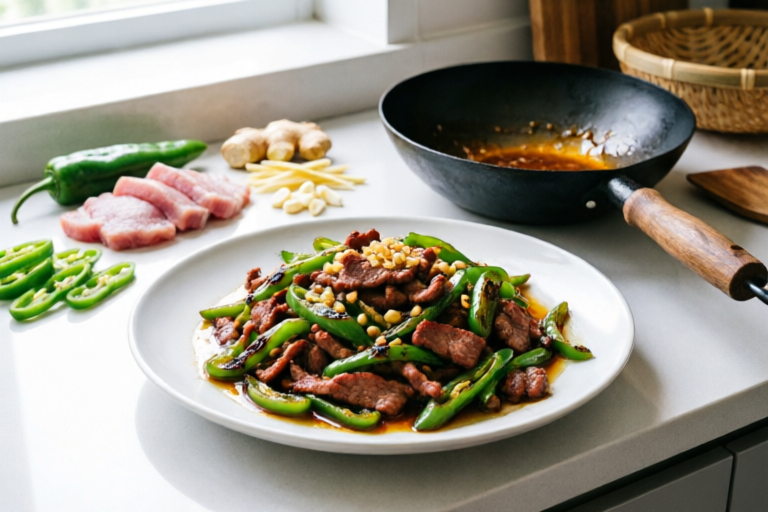
Why Your Stir-Fry Isn't Flavorful (And How to Fix It)
Unlock the Secrets to Flavorful Stir-Fry
Introduction
Stir-fry is a beloved cooking method that combines speed, versatility, and delicious results. However, many home cooks often struggle with achieving the perfect balance of flavors in their stir-fries. Whether it's a lack of umami, overly salty seasoning, or simply bland vegetables, there are several common issues that can detract from the overall taste. This article aims to identify these problems and provide practical solutions to help you create consistently flavorful stir-fries.
Ingredients Matter: Choosing the Right Ones for Maximum Flavor
The foundation of any great stir-fry starts with high-quality ingredients. Freshness plays a crucial role in bringing out the natural flavors of vegetables, proteins, and aromatics. Here’s how to select the best ingredients:
- Fresh Vegetables: Opt for crisp, vibrant produce like bell peppers, broccoli, snap peas, and mushrooms. These vegetables hold up well during quick cooking and add color and texture to your dish.
- Proteins: Choose lean meats like chicken breast, shrimp, tofu, or beef slices. These proteins absorb marinades easily and cook quickly, making them ideal for stir-frying.
- Aromatics: Aromatics such as garlic, ginger, and scallions are essential for adding depth and complexity. They should be finely chopped to release their full flavor.
When shopping, look for ingredients that are in season and locally sourced whenever possible. Organic options can also enhance the flavor profile.
Mastering the Marinade: Enhancing Flavors with Proper Seasoning
A well-executed marinade can transform even the simplest ingredients into something extraordinary. Marinades not only tenderize meat but also infuse it with rich flavors. Here’s what you need to know:
- Key Ingredients: Soy sauce, rice vinegar, sesame oil, garlic, and ginger are staples in Asian marinades. Each adds a distinct flavor profile: soy sauce provides saltiness, vinegar adds acidity, and sesame oil contributes nuttiness.
- Balancing Flavors: It’s important to balance salt, sugar, and acidity. Too much salt can overpower other flavors, while too little can leave the dish flat. Similarly, a touch of sugar helps cut through acidity and enhances sweetness.
- Tips: Marinate proteins for at least 30 minutes but no more than an hour to avoid over-soaking. For vegetables, a quick toss with a light dressing before stir-frying can enhance their flavor without compromising texture.
Technique Over Time: The Secrets to Perfect Stir-Frying
Stir-frying is all about high heat and quick cooking. Proper technique ensures that each ingredient retains its texture and flavor. Here are some common mistakes to avoid:
- Overcrowding the Pan: This leads to steaming instead of searing. Cook in batches if necessary to maintain high heat.
- Not Prepping Ingredients: Have all ingredients prepped and ready to go before starting the cooking process. This prevents burning or undercooking.
- Incorrect Order of Adding Ingredients: Start with harder vegetables and proteins, then add softer vegetables towards the end. This ensures everything cooks evenly.
Use a wok or large skillet, heat the pan until very hot, and add a small amount of oil. Stir-fry continuously, moving ingredients around frequently to ensure even cooking.
Layering Flavors: Building Complexity in Your Stir-Fry
To elevate your stir-fry, consider layering flavors through spices, sauces, and finishing touches. Here’s how:
- Spices: Add depth with ground spices like cinnamon, star anise, or Sichuan peppercorns. Use them sparingly to avoid overwhelming the dish.
- Sauces: Sauces like oyster sauce, hoisin sauce, or chili paste can add richness and complexity. Drizzle them over the finished dish for a final burst of flavor.
- Finishing Touches: Garnish with fresh herbs like cilantro or basil for freshness. A sprinkle of sesame seeds or a drizzle of sesame oil can also enhance the visual appeal and taste.
Experiment with different flavor combinations to find what works best for you. Some popular pairings include garlic and ginger, soy and mirin, or chili and lime.
Troubleshooting Common Flavor Problems
If your stir-fry isn’t turning out as expected, here are some common issues and solutions:
- Too Salty: If your stir-fry is too salty, try diluting the sauce with a bit of water or adding an acidic element like lemon juice or vinegar.
- Lack of Umami: To increase umami, add ingredients like mushrooms, miso paste, or fish sauce. These ingredients naturally boost savory flavors.
- Overcooked or Bland Vegetables: Ensure that vegetables are added at the right stage of cooking. Harder vegetables should be cooked first, followed by softer ones. Also, make sure to use enough oil and seasonings.
By addressing these issues, you can fine-tune your recipe and achieve better results.
Conclusion
In conclusion, creating a flavorful stir-fry involves careful attention to ingredients, proper seasoning, and precise cooking techniques. By following the tips outlined in this article, you can elevate your stir-fry game and enjoy consistently delicious meals. Don’t be afraid to experiment with new ingredients and techniques to find your own signature style. With practice, you’ll master the art of flavorful stir-frying and impress your family and friends with your culinary skills.
Comments

How do you prevent veggies from getting soggy? Mine always end up too soft.

I'm so glad I read this before dinner tonight. My stir-fry turned out amazing. Even my picky kids loved it!

Great tips! As a vegetarian, I always use tofu instead of meat. Any advice for making tofu more flavorful?

High heat is crucial, right? I find it hard to keep everything moving fast enough. Any tricks?

Layering flavors is key. I added some Sichuan peppercorns and now my stir-fry has a nice kick. Anyone else try that?

Tried this, loved it! Just curious, what's your go-to protein for a quick weeknight stir-fry?

This was a game changer! I've been struggling with my stir-fries being too bland. The marinade tips really helped. Thanks!