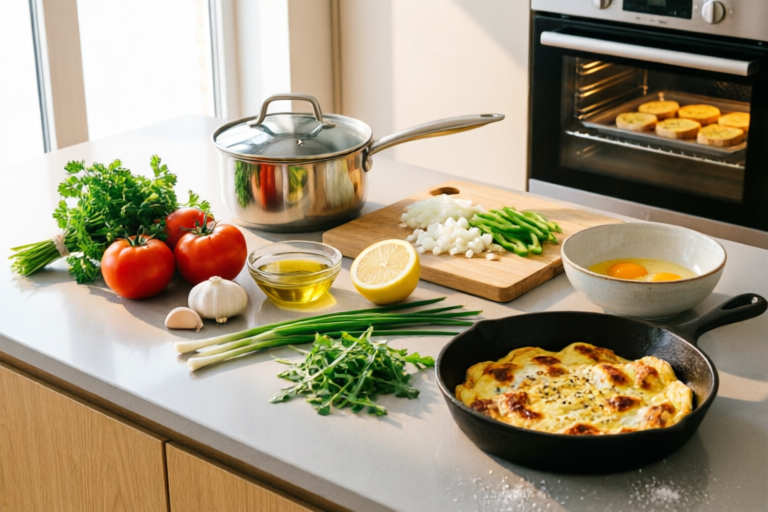
Dinner Recipes
How to make easy dinner recipes for busy weeknights
Simple Nights, Great Eats
## 1. Understanding the Weeknight Dilemma
For countless households around the world, the hours between 5:00 PM and 7:00 PM represent the peak of the daily crisis. You call this time the "weeknight dilemma." After a day filled with commuting, demanding meetings, school runs, or managing household responsibilities, your mental and physical energy reserves are often depleted to their limit. Yet, the expectation remains: someone needs to prepare dinner. This creates a paradox where the desire to eat a healthy, home-cooked meal collides with the harsh reality of zero available time and energy.
The consequences of this dilemma extend far beyond just hunger. Skipping dinner in favor of takeout or processed snacks can lead to poor nutritional choices that affect sleep quality and next-day energy levels. Furthermore, the constant anxiety of "What's for dinner?" contributes significantly to decision fatigue. In a world where we make hundreds of decisions daily, the evening meal choice becomes a burden rather than a pleasure.
Efficiency-focused solutions are not merely about saving minutes; they are about reclaiming sanity. The goal of mastering easy dinner recipes for busy weeknights is to transform cooking from a chore into a streamlined system that supports your lifestyle rather than fighting against it. By understanding the root causes of the struggle—time scarcity, cognitive load, and lack of resources—you can begin to implement systems that make wholesome food accessible even on your most hectic days. This article serves as a comprehensive guide to dismantling that dinner-time chaos, offering practical frameworks for planning, cooking, and stocking your kitchen so you never have to face a hungry family without a solution again.
## 2. Strategic Meal Planning and Preparation
### The Power of Pre-Decision Making
The most effective way to combat the weeknight dinner stress is to eliminate the decision-making process entirely before the weekend begins. This concept is known as "decision batching." If you can pre-determine what you are going to eat for Tuesday, Thursday, and Saturday dinner on Sunday afternoon, you remove the immediate pressure when 6:00 PM rolls around on those days.
Start by establishing a flexible weekly menu. Avoid strict rigidity, which leads to failure when schedules change unexpectedly. Instead, adopt a theme-based approach. For example, designate Mondays as "Meatless Monday," Tuesdays as "Taco Night," Wednesdays as "Stir-Fry Wednesday," and Thursdays as "Slow Cooker Special." Themes reduce the scope of what you need to think about while still allowing for variety. Once you have chosen the meals, create your shopping list immediately. This prevents impulse buys and ensures that every item needed for the week is captured in a single trip.
### Utilizing Batch Cooking Techniques
Batch cooking does not mean you spend seven hours chopping vegetables on Saturday. Rather, it means utilizing larger blocks of time efficiently to handle components that can be reused throughout the week. This strategy focuses on creating a "meal toolkit" rather than full meals.
Consider roasting two large sheets of mixed vegetables on Sunday. These can be added to omelets on Monday, tossed into lunch salads on Wednesday, or served alongside grilled chicken on Friday. Similarly, cook a large batch of quinoa or brown rice. Portion it out into containers so that reheating a side dish takes only thirty seconds.
Another powerful batch cooking technique is preparing proteins in advance. Grill a dozen chicken breasts, bake a tray of turkey meatballs, or marinate tofu cubes and freeze them individually. When you come home exhausted, you simply need to reheat the protein and pair it with a fresh green salad or quick-steamed broccoli. This method reduces active cooking time during the week to a minimum, shifting the labor to the weekend when energy levels are typically higher. By treating your weekend like a mini-kitchen workshop, you buy yourself peace of mind for the rest of the seven-day cycle.
### Sample Weekly Workflow
To illustrate how this looks in practice, imagine a schedule where you spend two hours on Saturday morning. You wash and chop all produce, store it in glass containers for longevity, and hard-boil eggs. On Sunday afternoon, you prep sauces and marinades. Throughout the week, assembly becomes the only step required. For instance, a burrito bowl assembly takes five minutes: grab a container of rice, microwave the beans and chicken from the fridge, top with salsa and lettuce you pre-chopped, and mix. The actual cooking time is effectively near zero, turning dinner into a 10-minute activity.
## 3. Mastering Fast Cooking Methods
Even with the best planning, there will be nights where you forgot to thaw meat or didn't prep vegetables. This is why mastering fast cooking methods is crucial. These techniques minimize cleanup and active supervision time, allowing you to multitask or relax while your dinner cooks itself.
### One-Pot Meals
One-pot meals are the ultimate weapon in the arsenal of busy weeknight chefs. Because everything cooks in a single vessel, the amount of dishes to wash afterward is drastically reduced, often leaving only the pot and one serving utensil. Consider hearty soups, stews, curries, or pasta bakes.
Take a classic spaghetti primavera. You can sauté onions and garlic in olive oil, add diced bell peppers and zucchini, pour in crushed tomatoes and broth, then toss in dry pasta. Add a splash of water, cover, and simmer. The pasta absorbs the sauce flavor, and the vegetables soften simultaneously. Within 15 minutes, you have a complete meal. Similarly, grain bowls work well in one pot. Toast cumin seeds, add lentils and stock, and simmer until fluffy. Top with yogurt and cucumber for instant freshness. These recipes require minimal monitoring; once the heat is set, you can step away to finish work emails or play with the kids without worrying about burning the pot.
### Sheet Pan Dinners
Sheet pan dinners represent a marriage of convenience and nutrition. By placing proteins and vegetables on a single baking tray lined with parchment paper or foil, you roast them simultaneously at high heat. This method caramelizes natural sugars in the vegetables, enhancing flavor without needing heavy sauces.
A perfect example is salmon with asparagus and sweet potatoes. Toss the chopped sweet potato chunks in oil and seasonings first, as they take longer to cook. Roast for 10 minutes, then add the seasoned asparagus and salmon fillets to the same pan. Bake for another 12-15 minutes. Serve immediately with a squeeze of lemon. Cleanup involves throwing away the parchment paper or wiping down the pan, which saves significant time compared to boiling water and washing pots. This method works equally well for chicken thighs, pork chops, sausages, or firm tofu. The visual appeal is high, making it feel like a gourmet meal despite the effort required being minimal.
### Slow Cooker and Instant Pot Magic
Modern appliances have revolutionized how we view cooking time. A slow cooker (crockpot) allows for "dump-and-go" meals. Place frozen vegetables, meat, seasoning packets, and liquid in the pot in the morning. Set it to low, leave for eight hours, and return home to a steaming hot stew or chili. There is virtually no risk of burning, and flavors meld beautifully over time. Frozen ingredients work exceptionally well here, removing the need to thaw meat beforehand, though you may need to extend the cooking time slightly.
Instant Pots or pressure cookers offer an alternative for speed enthusiasts. They can reduce cooking times by up to 70% compared to traditional methods. A whole roasted chicken or dried beans that usually take hours can be prepared in under an hour. The versatility allows you to sauté, steam, pressure cook, and even make yogurt. Learning to use one multi-function appliance effectively can consolidate several kitchen tasks into a single countertop device, reducing clutter and confusion during dinner preparation.
## 4. Stocking Your Kitchen for Speed
You cannot run a high-performance engine without fuel. Similarly, you cannot cook quick, delicious meals without a well-stocked pantry. Investing in specific staples ensures that you can throw together a nutritious dinner without running to the grocery store mid-week.
### Essential Dry Goods
Your dry goods section is the backbone of emergency meals. Always maintain a stock of whole grains like brown rice, quinoa, couscous, and barley. Quinoa cooks particularly fast, taking only 15 minutes, making it superior to rice for quick dinners. Pasta is another timeless staple; look for whole wheat varieties for added fiber. Legumes are non-negotiable. Canned black beans, chickpeas, kidney beans, and lentils provide plant-based protein and fiber. Rinsing canned beans removes excess sodium and preserves nutrients.
Flavor enhancers are equally important. Store high-quality olive oil, soy sauce, balsamic vinegar, and tomato paste. Dried herbs and spices such as salt, pepper, garlic powder, onion powder, paprika, cumin, and oregano allow you to create distinct flavor profiles without buying fresh expensive spice blends every week. Keep bouillon cubes or stock concentrate on hand for adding depth to soups and stir-fries instantly.
### The Role of Frozen Ingredients
Fresh produce is wonderful, but frozen vegetables are unsung heroes of the quick dinner. They are flash-frozen at peak ripeness, meaning they retain almost as many vitamins as fresh produce. Bags of mixed stir-fry vegetables, spinach, peas, corn, broccoli florets, and cauliflower rice are incredibly versatile. They require no washing or chopping and can be dumped straight into a hot pan or soup.
Frozen fruits can serve as quick dessert additions or smoothie bases. Frozen berries prevent waste and provide sweetness for oats or pancakes. Additionally, frozen proteins are increasingly common. Fish fillets, shrimp, ground meat patties, and even vegan burgers stay fresh in the freezer indefinitely. Having these on standby means you aren't locked into relying solely on what's currently in the refrigerator or the produce aisle. If a fresh vegetable wilts, you always have the frozen bag to rely on.
### Smart Fridge Organization
Refrigerator organization impacts efficiency. Designate a specific shelf for "Ready-to-Eat" leftovers and raw ingredients meant for use within the next 48 hours. Use clear containers so you can visually assess what needs to be eaten first, reducing food waste. Keep condiments organized so you know exactly what sauces you have left before deciding on a stir-fry. Label leftovers with dates to ensure nothing gets forgotten in the back of the fridge and spoils.
Furthermore, invest in good storage containers. Glass containers with tight-sealing lids preserve freshness better than plastic bags, preventing leaks and odor transfer. Vacuum sealing meats before freezing them extends their life and keeps air exposure low, preserving quality. Finally, consider keeping a basket of sturdy vegetables like carrots, onions, and potatoes near the counter or in a cool area. These have longer shelf lives and act as your first line of defense when you want to cook something from scratch but haven't planned ahead.
## 5. Conclusion: Consistency Over Complexity
Mastering the art of easy weeknight dinner recipes is less about finding magic shortcuts and more about building a sustainable system. It is a shift in mindset from viewing cooking as a daily performance to seeing it as a routine maintenance task that feeds your body and soul. When you embrace consistency over complexity, you stop chasing perfection in the kitchen and start achieving nourishment in your home.
By understanding the psychological weight of the dinner dilemma, you can address the emotional barrier that prevents you from cooking. Through strategic meal planning and batch preparation, you gain control over your time, transforming chaotic evenings into predictable rhythms. Learning fast cooking methods like sheet pans and one-pot meals ensures that even on high-stress days, the barrier to entry for a home-cooked meal is negligible. Finally, stocking your kitchen strategically acts as a safety net, guaranteeing that ingredients are ready when inspiration strikes late in the evening.
There will be nights where the plan falls apart. Perhaps the car broke down, a child was sick, or you had to work late. That is okay. Consistency is not about never failing; it is about having enough tools and habits that resilience is built into your lifestyle. Remember that small, consistent changes yield greater health benefits than sporadic attempts at culinary perfection. Focus on progress, enjoy the freedom of coming home to a meal that is ready in 15 minutes, and give yourself permission to keep things simple. Healthy eating doesn't have to be complicated, and enjoying family time together at the dinner table is worth the extra effort you put into simplifying the process. With these strategies in place, you are equipped to handle any weeknight that comes your way, turning the dreaded dinner question into a solved equation.
Comments

NoviceCook_Jane
Was worried it'd be too simple but tastes great. Even my picky husband approved.
👍 9👎 0

PantryQueen
That olive oil and canned tomato list is so accurate. Wish I had known this years ago lol.
👍 25👎 0

SundayPrepper
I started batch cooking on Sundays based on your outline. It's been huge for saving money too.
👍 15👎 0

FoodieDave
This is gold. Saved and printed!
👍 21👎 0
GlutenFreeGal
Made the pasta dish but used chickpea pasta instead. Still came out creamy and delicious! Thx!
👍 26👎 0
ChefInTraining99
Quick question - can I use pre-cut veggies in these recipes? Trying to shave off even more time.
👍 22👎 0

BusyMomOf3
Finally found a plan that actually works! The sheet pan idea saved my life this Tuesday. No more standing over a stove while screaming at kids.
👍 12👎 0