Snacks & Light Meals
How to Pack Healthy Snack Boxes For Work Days Quickly
Fuel Your Focus, One Box at a Time
**How to Pack Healthy Snack Boxes For Work Days Quickly**
# Introduction: The Impact of Healthy Snacking on Productivity
In the hustle and bustle of the modern corporate environment, time is often viewed as our most precious currency. Between tight deadlines, endless meetings, and the constant ping of notifications, finding the time to nourish ourselves frequently takes a backseat. Many professionals navigate their workdays fueled by a combination of morning coffee and occasional impulse buys from the nearest vending machine or fast-food outlet. However, this pattern of consumption often leads to a predictable yet detrimental cycle known as the mid-afternoon slump. Understanding the physiological connection between what we eat, how much energy we have, and ultimately how productive we are, is the first step toward revolutionizing our daily routines.
Maintaining stable energy levels at work matters significantly more than most people realize. Our brains consume approximately twenty percent of our total energy expenditure, making glucose availability crucial for cognitive function, focus, and decision-making. When we consume foods high in refined sugars or processed carbohydrates—typical fare in office pantries—we experience rapid spikes in blood sugar followed by sharp drops. This rollercoaster effect results in feelings of fatigue, brain fog, irritability, and a desperate craving for more sugary treats. Conversely, pre-packed boxes filled with balanced macronutrients solve this problem proactively. They provide a steady stream of fuel that keeps your glucose levels consistent, allowing you to power through tasks without interruption.
Beyond mere energy management, pre-packing healthy snack boxes offers a strategic advantage regarding time and mental bandwidth. By automating the decision of what to eat, you eliminate the cognitive load associated with food choices during the day. This concept aligns with the principle of executive function conservation. Every time you resist a vending machine cookie or debate whether to order pizza for lunch, you are depleting the same mental resources needed for solving complex problems at work. Preparing these boxes in advance transforms eating from a decision-making task into an automatic ritual. It ensures that when hunger strikes, the solution is already waiting for you in the refrigerator or desk drawer. This not only prevents unhealthy late-night binges but also sets a tone of self-discipline and body positivity for the rest of the day. Ultimately, viewing healthy snacking as a productivity tool rather than a chore changes the narrative entirely.
Furthermore, the psychological impact of visible progress plays a role here. Having a visually appealing, colorful box of prepared food creates a sense of accomplishment before you even take the first bite. It signals to your body that care is being taken, which can reduce stress hormones like cortisol. In an office culture where burnout is rampant, taking a moment to enjoy a nutrient-dense snack serves as a micro-break that resets focus. Therefore, creating these boxes is not just about nutrition; it is a holistic strategy to enhance efficiency, mood, and physical well-being simultaneously.
## Why Maintaining Energy Levels Matters
The human circadian rhythm dictates natural dips in alertness, typically occurring around 2:00 PM. While some caffeine intake might temporarily mask this, true sustained energy comes from nutrition. Foods rich in protein, fiber, and healthy fats digest slowly, releasing energy gradually over hours rather than minutes. This slow-release mechanism mimics a hybrid engine, providing consistent propulsion without the stalling associated with sugar crashes.
### The Cost of Ignoring Hunger Signals
Ignoring hunger until it becomes ravenous pain leads to poor food choices later. When energy reserves dip too low, the brain prioritizes survival over rationality, often steering individuals toward quick fixes. By having a snack box ready, you satisfy hunger early enough to maintain equilibrium without triggering panic eating. This proactive approach protects the metabolic rate and keeps the digestive system functioning optimally throughout the workday.
## Introduction to the Solution: Pre-Packed Boxes
Pre-packed boxes act as a safeguard against lifestyle chaos. Whether you work from home or a bustling open-plan office, having a designated snack container minimizes clutter and maximizes utility. These boxes serve as portable nutrition stations, ensuring that regardless of workload intensity, your health is never compromised for the sake of speed. In the following sections, we will explore exactly how to construct this system efficiently, ensuring that it fits seamlessly into even the busiest schedules.
---
# 2. Weekend Planning: Mapping Out Your Week’s Menu
If you believe that preparing for the week ahead requires hours in the kitchen every Sunday, you are mistaken. The key to successful weekend planning lies in strategic mapping and flexible menu design rather than rigid adherence to complex recipes. The goal is to streamline the preparation process so that it feels less like labor and more like a creative exercise. A structured plan reduces stress, minimizes food waste, and ensures variety throughout the week.
### Selecting Versatile Ingredients
Versatility is the cornerstone of efficient meal prep. Instead of selecting five distinct ingredients that require unique cooking methods, look for components that can be adapted across multiple meals. For instance, roasted sweet potatoes can serve as a base for a salad on Tuesday, a side dish with chicken on Thursday, or mixed with quinoa for Friday's box. Root vegetables like carrots, celery, and broccoli are excellent candidates because they last longer in the fridge and can be eaten raw, steamed, or roasted.
Proteins also benefit from versatility. Grilled chicken breast, hard-boiled eggs, or marinated tofu can be sliced differently depending on the day. Marinating meat on Saturday allows it to absorb flavors so that reheating during the week yields tasty results without needing extra seasoning effort. This approach saves both shopping time and prep time.
### Creating a Simple Shopping List
Once your menu framework is established, translating it into a shopping list is straightforward. Organize your list by store layout to save walking time. Group items logically: Produce first, then proteins, dairy alternatives, grains, and finally pantry staples. Checking your fridge inventory before heading to the grocery store prevents overbuying.
When building the list, incorporate the concept of bulk buying for non-perishables. Buying nuts, oats, and dried fruits in bulk reduces cost and packaging waste. However, for fresh produce, balance convenience with seasonality. Seasonal fruits and vegetables are not only cheaper but taste better and contain higher nutrient densities. Writing down your list digitally or using a smartphone app can allow you to check off items in real-time, further streamlining the experience.
### Balancing Dietary Needs and Preferences
While mapping out the menu, consider your current nutritional goals and personal preferences. Are you trying to increase protein intake? Are you reducing sodium? Perhaps you have mild allergies. Ensuring your menu accommodates these factors upfront prevents the temptation to deviate during the week. If you know your favorite flavor profiles, incorporate them deliberately. If you love spicy food, pre-mix chili powder with your proteins. If you prefer acidic notes, prepare lemon vinaigrettes in small jars.
Additionally, factor in social obligations. If you have dinner plans with colleagues mid-week, do not over-prep for that specific day to avoid wastage. Adjust the volume of your boxes accordingly. Flexibility ensures that your preparation remains sustainable over months rather than burning you out after the first week. Remember, a sustainable system is better than a perfect one that is abandoned after two weeks.
---
# 3. Efficiency Hacks: Batch Preparing Components
Time is the biggest barrier to healthy snacking for busy professionals. The "batch preparation" method is designed to decimate the time spent in the kitchen. Instead of cooking individual portions throughout the week, you dedicate a specific window—typically a few hours on the weekend—to produce components that will fill multiple boxes. This assembly-line technique turns food prep into a highly efficient manufacturing process.
### Hard-Boiling Eggs in Bulk
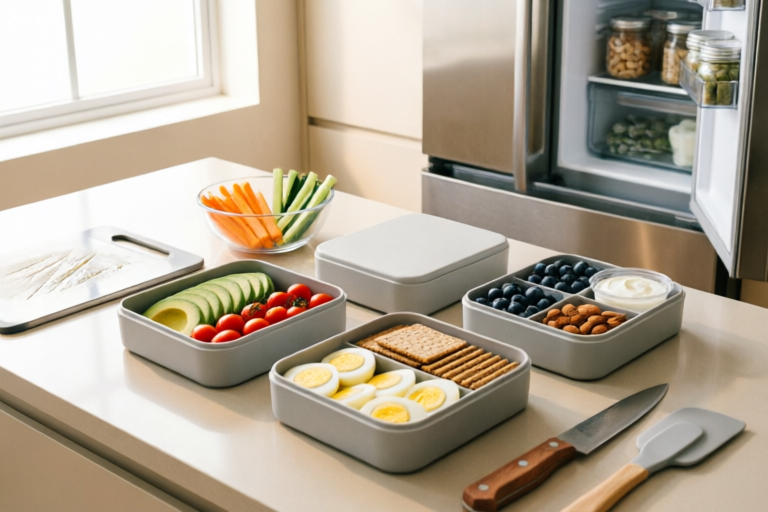
Eggs are arguably the most versatile protein source available. You can boil a dozen eggs at once, store them in the fridge, and peel them individually when needed. Using an ice bath immediately after boiling makes peeling significantly easier, saving frustration and time. You can slice them for salads, chop them into grain bowls, or simply eat them whole with salt and pepper. This single step provides a complete protein punch that keeps you satiated for hours.
### Chopping Fruits and Vegetables
Washing and cutting produce on Sunday creates an immediate visual appeal that encourages you to choose health over convenience on weekdays. Invest in a good mandoline slicer for uniform cuts, which cook faster and look professional. Be mindful of oxidation; for fruits like apples or bananas, toss them in a little lemon juice to prevent browning. Store cut greens separately in containers lined with paper towels to absorb excess moisture and extend freshness. This simple trick can keep lettuce crisp for up to a week longer than usual.
### Portioning Nuts and Seeds
Nuts and seeds are calorie-dense but nutrient-rich sources of healthy fats. However, they are easy to overeat if bought in large bags. Measure out daily portions into small containers or silicone molds. Chia seeds, almonds, walnuts, and pumpkin seeds offer different flavor profiles and textures. Keeping these ready-to-go eliminates the need for measuring cups during the week. You can grab a handful without thinking, ensuring you get your essential fatty acids without calculation stress.
### The Assembly Line Method
Organize your workspace like a factory line. Have clean containers lined up on one side. Place washed and chopped ingredients on trays in the middle. Put finished packed boxes on the other side. Move systematically. Do not stop to browse your phone or do dishes between tasks. This focused state, often called flow, increases speed and accuracy. Labeling your containers with dates helps track freshness and prioritize consumption. Following the FIFO (First In, First Out) rule ensures older food gets eaten before new stock, reducing waste.
---
# 4. Smart Packaging: Choosing the Right Containers
The vessel you choose for your food is just as important as the food itself. Poor packaging leads to leaks, soggy textures, spilled contents in your bag, and difficulty cleaning. Conversely, smart packaging enhances convenience, preserves food quality, and simplifies transportation. Investing in the right tools is an investment in your own peace of mind and efficiency.
### Portion-Controlled Design
Size matters. Containers that hold too much tempt you to overeat, while those that are too small leave you hungry. Opt for containers with clear measurements or dividers. Compartmentalized boxes allow you to separate wet and dry ingredients, preventing sogginess. For example, keeping crackers separate from hummus until you are ready to eat maintains texture integrity. Portion control also assists in caloric management, helping you adhere to your fitness goals without constant weighing of food.
### Leak-Proof Technology
Nothing ruins a presentation like a sauce spill in a laptop bag. Look for containers with locking silicone lids or rubber gaskets. Glass containers with snap-on lids are generally superior to cheap plastic ones for heat retention and leak prevention. Test them with water before filling with food. Some brands feature air-tight seals that require pressure to open, indicating a secure closure. Additionally, check for microwave-safe ratings. Being able to reheat sauces or warm grains without transferring food to another dish saves valuable minutes.
### Fit and Ergonomics
Your snack box needs to fit into your lunch bag and potentially your car cup holder or backpack pocket. Square or rectangular shapes stack better in refrigerators than round ones, maximizing vertical space. Consider the weight distribution; heavy glass containers can become cumbersome if carried daily. Lightweight Tritan plastic or stainless steel are excellent alternatives for commute-heavy lifestyles. However, glass retains cold better if you want chilled snacks without a cooler pack.
### Eco-Friendly Considerations
Sustainability is increasingly part of smart consumer choices. Avoid disposable plastic bags or single-use wrappers. Silicone food covers are reusable and stretchy, offering a cap alternative to plastic wrap. Stainless steel tiffins or wooden bento boxes add durability and style while reducing landfill waste. Choosing durable packaging means you won't need to replace it often, saving money in the long run. Cleaning is also easier with smooth surfaces that don't harbor bacteria or smells.
### Refrigeration Compatibility
Ensure your containers fit comfortably in your workplace refrigerator. Oversized Tupperware takes up prime real estate for coworkers who share the fridge. Compact, stackable units promote harmony and accessibility. If office fridges are crowded, insulated bags with cooling packs might be necessary for perishable items like yogurt or fresh fruit. Knowing your storage environment dictates your packaging choice, preventing food spoilage risks.
---
# 5. Conclusion: Building a Consistent Healthy Habit
Adopting the habit of packing healthy snack boxes is more than just a change in routine; it is a fundamental shift in how you view self-care and productivity. We have explored the why, the what, and the how of this process. From understanding the biological necessity of stable blood sugar to mastering the art of batch preparation and selecting optimal packaging, each step contributes to a larger picture of wellness. However, knowledge alone does not guarantee success; consistency does.
### Summarizing Key Takeaways
To recap, balancing speed and health is achievable with the right strategy. Start with the weekend planning phase to reduce decision fatigue during the week. Utilize batch cooking to maximize efficiency in your free time. Choose packaging that protects your food and your belongings. These three pillars form a stable foundation for sustained habits. It is not about perfection every single day but about showing up consistently. Even on busy weeks, having one healthy box ready is better than none.
### Encouraging Readers to View Packing as a Ritual
Shift your perspective. Do not see packing boxes as a burden or a chore. Frame it instead as a ritual of empowerment. The act of assembling your lunch is a quiet moment where you prioritize yourself amidst a chaotic world. It is a declaration that your health matters as much as your projects. Over time, this ritual reinforces identity. You become the type of person who cares for their body, which in turn boosts confidence and resilience in other areas of life.
### Sustainability and Long-Term Benefits
Sustainable habits yield compounding returns. As you refine your menu, you discover tastes and combinations you never tried otherwise. Financial savings accumulate as you reduce spending on daily takeout. Physical energy stabilizes, leading to fewer cravings and better sleep patterns. Eventually, the system runs almost on autopilot. The initial setup effort pays dividends continuously over weeks and months. You reclaim time that would have been spent commuting to cafeterias or searching through cabinets.
### Final Words of Encouragement
Begin today. You do not need to buy expensive equipment or cook gourmet meals overnight. Start with what you have. A banana, a handful of almonds, and a glass jar are sufficient for your first attempt. Once you feel the momentum, expand your repertoire. Trust the process. Your future self will thank you for the fuel you provide today. By integrating these practices into your weekly rhythm, you transform workdays from exhausting marathons into manageable journeys powered by conscious, healthy choices. Happy packing!
---
**Additional Tips for Success**
**Listen to Your Body**: If a specific snack doesn’t sit right, adjust the composition. Some people thrive on high-fat snacks, others on high-protein. Track your energy levels to find your optimal ratio.
**Involve Family**: If you live with others, involve them in the prep. It bonds relationships and distributes the workload. Children can help wash fruits or label containers.
**Stay Hydrated**: Water accompanies food. Keep a reusable bottle next to your snack box. Hydration often masks thirst as hunger.
**Review and Rotate**: Every month, review what worked and what didn’t. Change up the produce to avoid boredom. Variety is key to long-term adherence.
**Emergency Prep**: Always keep one backup emergency snack in your desk drawer or bag for unexpected delays. Oatmeal packets or granola bars are perfect for this purpose.
By adhering to these guidelines, you create a robust infrastructure for health within your work life. Enjoy the energy, the clarity, and the sense of control that comes with knowing exactly what your body needs, whenever you need it.
Comments

MomOf3
This changed our mornings. Now the kids ask for their 'work snacks' instead of cereal bars.
👍 15👎 0

Chef_in_a_hurry
Any tips for keeping crackers crisp in the same box? They get soggy by day 3 here.
👍 5👎 0

OfficeWarrior
Finally stopping the vending machine runs. Worth every second of chopping.
👍 17👎 0

HealthyHannah
I subbed almonds for cashews because i was cheap and lazy lol. Still tasted amazing tho.
👍 15👎 0

Mark_D
Quick question though - does the hummus ever get too messy? I'm worried about smudging stuff in my bag.
👍 14👎 0
SnackQueen
Just made these on Sunday night! The hard boiled eggs trick is genius, never knew I could prep them till Thursday.
👍 17👎 0