How to Make 5-Minute Healthy Snacks for Busy Nights
Fuel Your Evening, Rest Better Tonight
How to Make 5-Minute Healthy Snacks for Busy Nights
Introduction: Navigating Late-Night Hunger with Purpose
The transition from the demands of a full workday to the quiet solitude of evening is often marked by a specific physiological shift. As the sun sets and responsibilities fade, the body begins to crave comfort, yet the mind remains tired. This phenomenon frequently leads to the mid-evening hunger pang, a sensation that occurs hours after dinner. For many professionals and families, this is the most vulnerable time for nutritional compromise. When we are exhausted, our executive function—the part of the brain responsible for impulse control and decision-making—is depleted. Consequently, the allure of highly processed, high-sugar, or high-sodium convenience foods becomes overwhelming.
However, the choices made during these late-night hours have a disproportionate impact on overall wellness. Consuming empty calories at night does more than affect waistlines; it disrupts the delicate hormonal balance required for restorative sleep. Foods that spike blood sugar quickly, such as sugary cereals or chips, force the pancreas to pump out insulin when the body should be winding down. This metabolic activity can prevent deep REM cycles, leading to fragmented sleep and next-day fatigue. Conversely, choosing nutrient-dense options provides the necessary building blocks for recovery without burdening the digestive system.
The goal is not to eliminate hunger but to manage it with purpose. We must reframe late-night snacking not as a moment of weakness, but as a strategic opportunity to support physical maintenance. A five-minute window is all that is needed to assemble a plate that supports muscle repair, stabilizes blood glucose, and promotes relaxation. By shifting away from the vending machine mentality and towards pantry-based solutions, you can maintain energy levels throughout the following day while ensuring better sleep quality. This guide explores how to build a foundation for instant nutrition, offering practical strategies for those tight schedules.
Pantry Staples for Instant Assembly
Creating a healthy evening routine begins long before the craving strikes; it starts with what you keep stocked in your kitchen. You do not need gourmet ingredients or a professional chef’s skillset. What you need is a curated collection of staples that offer a balance of macronutrients and require zero cooking. Think of your pantry as a toolkit for your nervous system, designed to calm cravings instantly.
Essential Non-Perishables
Nuts and seeds are the cornerstone of any late-night emergency kit. Almonds, walnuts, pecans, and pumpkin seeds are packed with healthy fats and magnesium. Magnesium is particularly vital because it acts as a natural relaxant for muscles and nerves, often helping to induce sleepiness naturally. Store these in sealed glass jars or opaque bags to protect the fats from oxidizing. Chia seeds and hemp hearts are other excellent additions; they provide fiber which aids digestion and creates a feeling of fullness without adding excessive calories. Dried fruits like apricots or raisins can satisfy sweet cravings, but they must be eaten in moderation due to their concentrated sugar content. Always look for unsweetened varieties without added oils.
Canned goods offer incredible versatility with minimal effort. Canned tuna, salmon, or sardines are rich in Omega-3 fatty acids, which are essential for brain health and reducing inflammation. Pair these with crackers or mix them into salads. Similarly, canned black beans, chickpeas, or lentils are versatile protein sources that can be rinsed and eaten raw or tossed with seasonings. Oatmeal is another slow-carbohydrate staple; steel-cut oats take too long, but quick-cook or instant oat packets can be mixed with cold water or milk for a filling porridge. Finally, do not forget dried seaweed snacks or roasted edamame; they offer saltiness and crunch without the heavy processing of potato chips.
Fridge Essentials for Rapid Prep
Your refrigerator is the command center for protein-heavy snacks. Greek yogurt and cottage cheese are superior to regular milk products because they contain higher protein concentrations, which keeps you satiated for longer periods. Look for brands that list only milk and active cultures to avoid hidden thickeners and sugars. Eggs are a classic choice; hard-boiled eggs can be prepped on Sundays and stored in the fridge for up to a week. They provide a complete amino acid profile. Fresh vegetables should always be washed and cut upon arrival home. Keep carrots, celery, bell peppers, and cherry tomatoes in crisp water-filled containers to ensure they remain crunchy and appetizing. Fresh fruit like apples, pears, and oranges should be readily available, along with frozen berries which thaw perfectly for immediate consumption.
Three No-Cook Protein-Rich Recipes
Once your pantry is stocked, the assembly process takes mere minutes. These three recipes are designed to be balanced, focusing on high protein content to stabilize blood sugar overnight. Each option requires less than five minutes to prepare and offers distinct flavor profiles to suit different moods.
Recipe 1: The Berry Yogurt Parfait
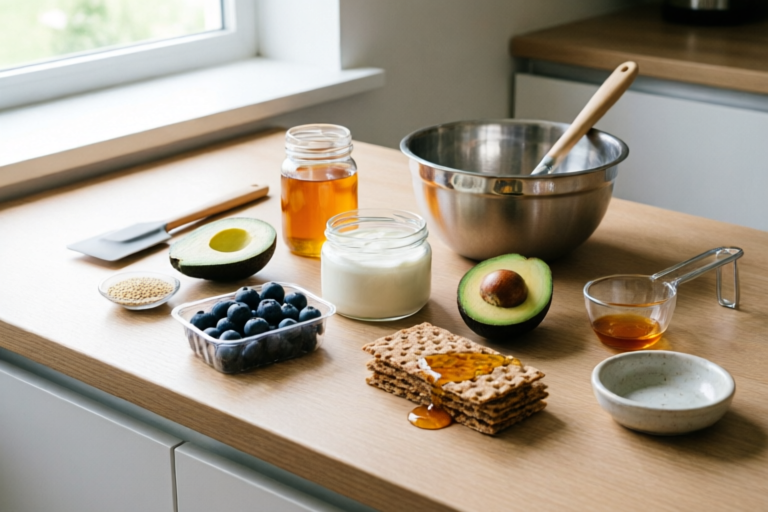
This recipe transforms the classic breakfast dish into a sophisticated evening treat. Take half a cup of plain Greek yogurt. Plain is crucial here to avoid excessive sugar intake later in the night. Mix in a teaspoon of honey or a drop of liquid stevia if sweetness is desired. Top with one cup of fresh or frozen blueberries. Blueberries are rich in antioxidants known as anthocyanins, which fight inflammation and may improve memory. Sprinkle two tablespoons of walnuts or almonds over the top for healthy fats and crunch. If you prefer texture, you can use low-sugar granola, but nuts are generally healthier for nighttime digestion. The combination of protein from the yogurt and fiber from the berries ensures your stomach settles comfortably.
To elevate this further, consider adding a splash of vanilla extract or cinnamon. Cinnamon is known for its ability to regulate blood sugar levels. If you have leftover berries from earlier meals, you can mash them slightly to release natural juices that soak into the yogurt, creating a creamy consistency without added dairy creams. This parfait is not just food; it is a ritual of calm.
Recipe 2: Savory Cottage Cheese and Pineapple
Savory cravings often confuse into sweet ones. Sometimes you want something tangy rather than sugary. Cottage cheese is a powerhouse here. Scoop a bowl of small-curd cottage cheese and top it with fresh pineapple chunks. Pineapple contains bromelain, an enzyme that aids digestion and reduces bloating. This makes it an ideal companion to protein-rich dairy. If you wish to turn this savory, sprinkle a pinch of cracked black pepper, a dash of chili flakes, or even some chopped chives on top. Salt enhances the umami flavor of the cottage cheese, balancing the sweetness of the fruit. You could also swap the pineapple for cantaloupe or melon for a refreshing summer option. This snack provides casein protein, which digests slowly and feeds your muscles while you sleep.
Recipe 3: Turkey and Cheese Roll-Ups
For those who prefer something closer to a "lunch" feel, deli meats offer satisfaction. Take slices of low-sodium turkey breast and spread a thin layer of cream cheese or hummus on each slice. Place a few cubes of mild cheddar cheese inside and roll it up. Alternatively, wrap the meat around cucumber sticks for extra hydration. You can also add arugula leaves for a peppery kick. Be mindful of the sodium content in deli meats; rinse them under water if necessary to remove excess preservatives. These rolls are compact, mess-free, and travel well if you are snacking away from home, such as in the car or office lobby. They provide a solid dose of lean protein without the heaviness of red meat.
Simple Carbohydrate and Fiber Alternatives
While protein is king for satiety, carbohydrates play a supportive role in mood regulation and serotonin production. Serotonin is a neurotransmitter that regulates sleep-wake cycles and feelings of happiness. However, complex carbohydrates are preferred over refined starches at night. Complex carbs digest slowly, providing sustained energy rather than a spike-and-crash cycle.
Smart Vegetable Substitutes
Many people overlook vegetables when snacking at night, fearing calorie density, but they are actually volume foods that fill the stomach without weighing it down. Air-popped popcorn is a fantastic carbohydrate source. Unlike movie theater buttered popcorn, air-popped versions are high in fiber and can be seasoned with nutritional yeast for a cheesy flavor without the saturated fat. Nutritional yeast is also fortified with B vitamins, which help combat energy depletion caused by stress. Aim for three cups of popped corn for a satisfying snack that fits well within caloric limits.
Another excellent option is apple slices with nut butter. Apples contain soluble fiber, specifically pectin, which slows down digestion and prevents blood sugar spikes. Pairing them with almond butter or peanut butter balances the meal by adding protein and fat. To keep it fast, slice the apples beforehand or buy pre-sliced varieties packed with lemon juice to prevent oxidation. You can dip the apple directly into the nut butter, allowing the creamy texture to contrast with the crisp fruit. This combo satisfies both the urge to chew and the desire for sweetness.
Humus and Veggie Sticks
Hummus is another pantry hero. Chickpeas ground with tahini, olive oil, garlic, and lemon make a spread rich in fiber and protein. Serve this with carrot sticks, snap peas, or broccoli florets. These vegetables are crunchy and hydrating, acting as a palate cleanser from the day’s salty or spicy meals. For variety, try swapping chickpea hummus for guacamole or bean dip. Avocado contains potassium and healthy monounsaturated fats, promoting heart health. The fiber in these vegetable sticks aids in gut motility, preventing constipation which can interfere with sleep quality.
Conclusion: Prioritizing Wellness After Work
In summary, navigating late-night hunger requires intentionality, preparation, and self-awareness. It is entirely possible to enjoy tasty, nutritious snacks that support your body’s nightly repair processes rather than hindering them. The strategies outlined above—from stocking your pantry with nuts, beans, and yogurt to assembling no-cook protein bowls—provide a roadmap for stress-free snacking. By focusing on whole foods, you avoid the guilt often associated with late-night eating and instead foster a sense of accomplishment in caring for yourself.
Batch-Prepping for Success
To make these habits stick, adopt a weekly batching strategy. On Sunday afternoon, dedicate 30 minutes to portioning out nuts into small containers, washing and cutting produce, and hard-boiling eggs. This reduces friction during the week when you are most tired. You won’t have to decide what to eat; the decisions have already been made. This approach shifts the burden from impulse control to automaticity, making healthy choices the path of least resistance.
Remember, sleep quality is the ultimate metric of success here. Do not snack immediately before lying down; allow at least 30 to 60 minutes for digestion. Drink plenty of water throughout the evening, as thirst is often misinterpreted as hunger. Ultimately, prioritizing wellness after work is about honoring the hard work you did that day by fueling your body correctly. With these five-minute hacks, you can ensure that every bite contributes to a rested, refreshed tomorrow.
Frequently Asked Questions (FAQ)
Q: Is it bad to eat right before bed? A: Eating immediately before bed can disrupt sleep for some people due to acid reflux or metabolic activity. However, going to bed completely hungry can also wake you up. A light, protein-focused snack 30-60 minutes before sleep is generally beneficial.
Q: Can I drink coffee at night? A: Ideally, no. Caffeine can stay in your system for six to eight hours, significantly impacting the quality of your sleep cycle. Even if you think you can fall asleep, caffeine reduces deep sleep stages.
Q: How do I stop sugar cravings at night? A: Often, sugar cravings are masked thirst or boredom. Drink a large glass of water first. Next, try increasing your protein intake during dinner. High-protein dinners reduce the likelihood of a midnight sugar binge.
Q: Are frozen snacks okay? A: Absolutely. Frozen berries are often picked at peak ripeness and retain nutrients well. They can be eaten straight from the freezer as a sorbet-like treat, satisfying cravings without the added sugars found in ice cream.
Q: What is the best time to snack? A: Aim for a window between 8 PM and 9 PM, assuming you go to sleep around 10:30 PM. This gives your body enough time to initiate digestion without forcing it to work while trying to rest.
Comments

loved the turkey roll up! definitely printing this out to stick on my fridge

simple stuff like this really makes a difference. sticking the veggie sticks in water helps keep them crunchy too

i batch prepped these last sunday as suggested. saved me so much stress during the week! 🥗

wait, can i swap the air popped corn for puffed quinoa? same crunch?

made the greek yogurt bowl last night. so quick and didn't feel guilty scrolling tv afterwards lol
Any suggestions for nut free versions? My kid is allergic, might have to switch things up.

Honestly the cottage cheese + pineapple was weird at first but now I'm hooked! 🍍 Thanks for the tip!