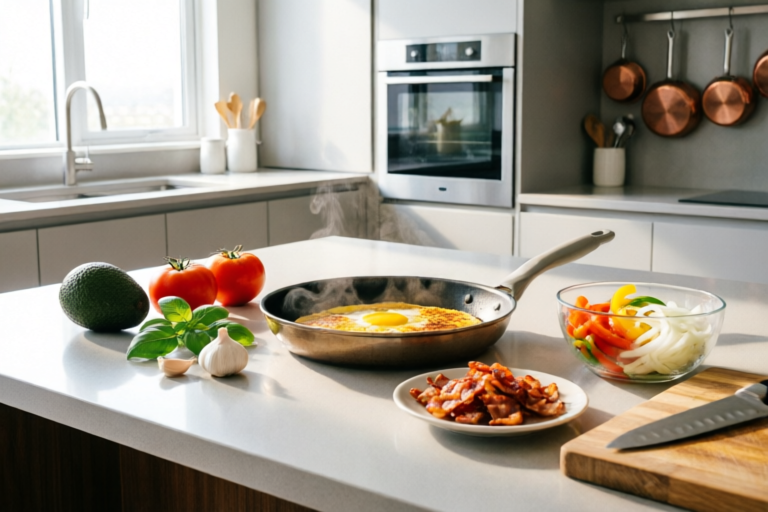
Quick & Easy Recipes
How to Prepare Quick And Easy Meals In Under 20 Minutes
Eat Well, Eat Fast, Live Better.
1. Introduction: Embracing the 20-Minute Challenge
In today's fast-paced world, the line between work obligations, personal responsibilities, and family time is increasingly blurred. For many individuals and families, the dream of sitting down to a home-cooked, nutritious meal has become a luxury reserved for weekends, if ever. The modern struggle is real: you come home exhausted, facing the daunting prospect of grocery shopping, chopping vegetables, managing multiple pans, and cleaning up afterward, all before sunset. Yet, the health implications of relying solely on takeout or processed convenience foods cannot be ignored. This article introduces a transformative goal: the 20-Minute Meal Challenge. The objective is not to rush through a recipe blindly, but to create nutritious meals efficiently without compromising flavor or quality. By adopting specific strategies for organization, cooking methods, and ingredient selection, anyone can reclaim control over their diet. We are not just talking about speed; we are talking about sustainable well-being. When you eliminate the anxiety of mealtime, you free up mental energy for relaxation and connection with loved ones. Let us explore how to achieve a balance where healthy eating does not equal hours spent in the kitchen.2. Strategic Planning and Kitchen Organization
Success in speed cooking begins before you even turn on the stove. The kitchen environment plays a pivotal role in efficiency, acting as the stage upon which your culinary performance takes place.The Importance of Meal Prepping Basics
While we focus on the 20-minute window, true efficiency is built on preparation. You do not need to spend Sunday roasting meats for the entire week. Instead, practice basic meal prepping techniques that save time daily. Wash and dry salad greens immediately after returning from the grocery store and store them in breathable containers to prevent wilting. Portion out grains or marinate proteins in large batches on Friday, keeping them refrigerated for weekday assembly. These micro-preps reduce active cooking time, allowing you to execute meals rapidly during the week. The core principle is separation of labor: prep when you are calm, cook when you are hungry.Organizing Tools for Easy Access
Time is wasted searching for utensils. Audit your kitchen drawers and organize tools logically. Place knives, cutting boards, and spatulas in zones near the prep area and stove. Utilize drawer dividers to prevent clutter. Consider investing in magnetic knife strips or tiered shelving inside cabinets to maximize vertical space. If you have limited counter space, think vertically. Hang hooks for measuring cups and small appliances. The mantra should be "everything within reach." When every tool is stored consistently, muscle memory takes over, and you move through cooking steps fluidly without interruption.Adopting Practices to Minimize Cleanup Time
Nothing kills momentum like a mountain of dirty dishes waiting after dinner. Adopt the "clean-as-you-go" philosophy. While a sauce simmers or rice cooks, wash the bowl you mixed it in. Chop a vegetable, then immediately wipe the board. Using fewer pots reduces the final burden drastically. Furthermore, opt for cooking vessels that are dishwasher-safe. Line baking sheets with parchment paper instead of scrubbing stuck-on residue. Investing in non-stick cookware can further reduce scrubbing time. By treating cleanup as part of the cooking process rather than a punishment afterward, you maintain a positive mindset throughout the evening routine.3. Time-Saving Cooking Methods and Techniques
To cook fast, you must cook smart. Relying on traditional simmering or slow-braising is impossible when the clock is ticking. You need aggressive heat management and equipment utilization.One-Pot Cooking Strategies
The one-pot method is the cornerstone of rapid dining. It involves combining all ingredients, typically protein, vegetables, and starches, into a single vessel to cook simultaneously. Chili, stir-fried noodles, and sheet pan meals are prime examples. The reduction in dishware translates directly to faster consumption. Additionally, flavors meld together as they cook, often reducing the need for complex seasoning adjustments at the end. A skillet allows for stirring and tossing, ensuring even cooking. Soups and stews require less attention once brought to a boil, allowing you to set a timer and walk away briefly.High-Heat Stir-Frying
Stir-frying is the ultimate fast-food technique rooted in traditional Asian cooking. The key lies in high heat and small, uniform cuts. Slice meat thinly against the grain and chop vegetables into bite-sized pieces beforehand. Heat oil until it shimmers, add aromatics like garlic and ginger for seconds, then throw in hardier vegetables first, followed by quick-cooking items. Finish with sauces off the heat to preserve texture. This method sears food quickly, locking in juices while retaining crunch. Because the surface area of the food is maximized by cutting it small, it cooks in mere minutes compared to roasting a whole chicken.Utilizing Appliances Effectively
Modern technology exists to serve us. Do not underestimate the power of multi-functional appliances. An air fryer is essentially a convection oven that circulates hot air rapidly. It cooks frozen fries or chicken wings in under 15 minutes without the need for constant monitoring or flipping. A rice cooker handles carbohydrates automatically; you simply add water and rice, press the button, and it keeps food warm until serving time. Pressure cookers (like Instant Pots) dramatically reduce braising times from hours to 20 minutes by raising the boiling point of water under pressure. Leveraging these devices turns passive waiting time into active time for other household tasks.4. Building a Speed-Oriented Pantry
Your cupboard is your arsenal. If you are armed with fresh tomatoes only, a last-minute recipe requires washing and slicing. If you have canned beans and frozen spinach, the door opens instantly. Cultivating a pantry designed for speed is crucial.Frozen Vegetables
Frozen vegetables are nutritional superstars. They are often flash-frozen at peak ripeness, retaining more vitamins than fresh produce that has sat in transit for days. They eliminate the peeling and chopping step entirely. Broccoli florets, corn kernels, peas, and mixed stir-fry mixes are excellent options. Thaw them quickly in a microwave or add them directly to a hot pan. They provide fiber, color, and volume to any meal without the commitment of buying fresh quantities that might spoil.Canned Proteins
To ensure rapid meal assembly, always stock canned proteins. Tuna, chickpeas, lentils, black beans, and sardines provide high-quality protein that requires no marinating or long cooking. Rinsing a can of chickpeas adds them to a salad or curry in seconds. Sardines offer omega-3 fatty acids on toast. Hard-boiled eggs can be made in batches ahead of time. These shelf-stable items remove the uncertainty of finding protein when hunger strikes unexpectedly.
Instant Grains and Pastas
White rice may be quick, but brown rice often takes 40 minutes. Choose instant quinoa, couscous, or pre-steamed white rice packets. Couscous needs only steeping in hot water for five minutes, yet acts like a pasta or side dish. Whole wheat pasta cooks almost as fast as regular pasta. Quinoa rinses quickly and boils in minutes. Having a variety of quick-grain options prevents monotony. Store them in airtight containers to protect against moisture and pests. These staples form the base of your fast meals, turning leftovers into cohesive dishes.5. Practical Example Recipes for Each Meal
Theory is useful, but action is empowering. Here are three actionable concepts to implement immediately across breakfast, lunch, and dinner.Quick Breakfast Ideas
Forget heavy pancakes. Opt for speed without sacrificing nutrition. The 5-Minute Oatmeal Bowl is a staple. Combine rolled oats with water or milk, top with chia seeds and sliced banana. Alternatively, prepare a Savory Toast Stack: Toast whole grain bread, spread with avocado, top with a poached egg or scrambled egg cooked in the same pan, and sprinkle with chili flakes and herbs. If you have zero morning time, overnight oats prepared the night before are seamless. Just grab, eat, and go. Smoothies blended with spinach and protein powder offer hydration and nutrients in a drinkable format.Fast Lunch Options
Lunch should energize, not induce sleepiness. A Grain Bowl is perfect. Take leftover quinoa or rice from dinner. Mix in canned tuna or chickpeas, frozen peas (thawed), and a handful of fresh spinach. Drizzle with sesame oil and soy sauce. It comes together in four minutes in a microwave or bowl. Another option is a Tortilla Wrap: Spread hummus on a whole wheat tortilla, layer with deli turkey (pre-sliced), cucumber slices, carrots, and lettuce. Roll tightly and slice in half. No cooking required at lunchtime; assembly is the cooking. This minimizes cleanup and utilizes prepped components.Rapid Dinner Solutions
For dinner, a 15-Minute Vegetable Stir-Fry works wonders. Heat peanut oil in a wok. Add frozen veggie mix. Once steamed, push veggies aside. Push beaten eggs into the empty space, scramble quickly, then mix everything. Add soy sauce and sriracha. Serve over instant white rice. This is complete, savory, and costs a fraction of delivery. Alternatively, Baked Salmon Fillets. Place a salmon fillet on a foil-lined baking sheet. Top with lemon slices and herbs. Bake at high heat for 12 minutes while you set the table. Pair with microwaved asparagus and roasted sweet potato cubes. Fresh, elegant, but incredibly simple.6. Conclusion: Long-Term Health and Balance
Cooking in under 20 minutes is not just a shortcut; it is a lifestyle shift towards mindfulness and sustainability. By embracing the 20-minute challenge, you reclaim valuable hours of your day, reduce stress associated with food, and improve your overall dietary quality. The journey involves strategic planning, utilizing the right tools, stocking a speed-oriented pantry, and mastering high-efficiency cooking techniques. Remember, consistency trumps perfection. Some nights may require 25 minutes, some may take 30 due to unexpected events. Do not beat yourself up. The goal is to create a habit loop where cooking becomes a manageable part of your routine rather than a chore. Prioritize nutrient density—adding a handful of greens or a lean protein to your quick meal elevates its impact. As you gain confidence in these systems, your kitchen transforms from a place of stress into a sanctuary of nourishment. Start tonight. Pick one technique from this guide and apply it. Your body and your mind will thank you for the change. By adhering to these principles, you ensure that your busy schedule never compromises your health. You can fuel your ambition with food that respects your time constraints. Ultimately, eating well should feel easy, not burdensome. Let these strategies empower you to lead a vibrant, energetic, and balanced life.Comments

TacoTuesdayFan
tried the breakfast option this morning, pretty quick! added hot sauce to kick it up a notch.
👍 14👎 0

FitFamJen
loved the conclusion about consistency over perfection. needed to hear that today.
👍 15👎 0

NewbieCook
can someone tell me what heat setting works best for the stir-fry part? worried about burning everything.
👍 24👎 0

BudgetChef
frozen veggies + canned beans = life saver. dont ever tell me chopping takes too long lol
👍 27👎 0

SpiceQueen92
made the salmon dish last night but had to cook it extra 3 mins. fish varies so much right?
👍 9👎 0

WeeknightWarrior
honestly the meal prep section changed how I approach Sundays. way less stress now.
👍 10👎 0