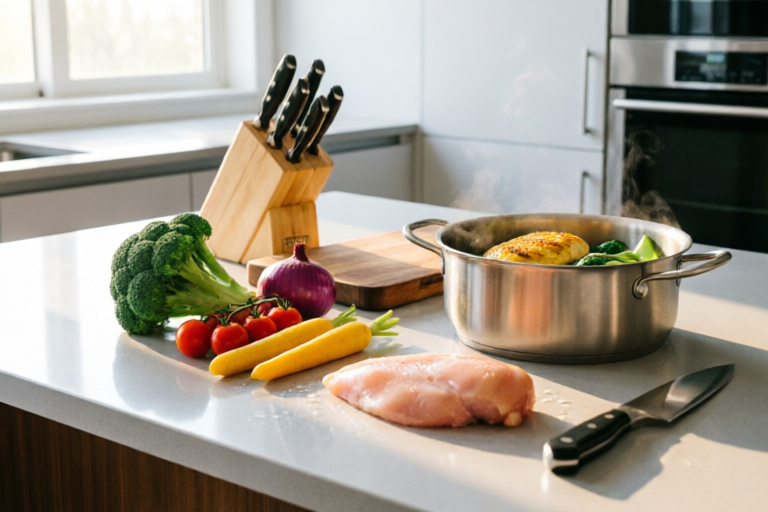
How to Make Healthy Dinner Recipes in Under 30 Minutes
Nourish Tonight, Thrive Tomorrow.
1. Introduction: Unlocking the Power of Quick, Nourishing Meals
In today's fast-paced world, the dinner table has become a battleground between ambition and exhaustion. We all know the drill: the workday ends late, the kids have activities to finish, and by the time we finally step into the kitchen, our energy reserves are critically low. The temptation to grab a processed takeout box or settle for reheated leftovers is immense. However, succumbing to this routine comes at a cost. Consistent consumption of highly processed foods is linked to various long-term health issues, including obesity, heart disease, and metabolic disorders.
The good news is that you do not need three hours and a team of sous-chefs to eat well. It is entirely possible to transform your evening routine into a source of nourishment rather than stress by mastering healthy dinner recipes in under 30 minutes. This timeframe is not a compromise; it is a strategic adjustment to modern life that prioritizes your physical well-being without demanding your entire weekend.
Balancing Nutrition with a Busy Schedule
Nutrition science tells us that consistent intake of micronutrients and macronutrients is key to sustained energy levels. When you rush through dinner prep, you risk skipping vegetables or over-relying on heavy carbohydrates. The goal of this guide is to bridge the gap between nutritional theory and culinary reality. By understanding the mechanics of speed cooking, you can ensure that the clock works for you, not against you. We are setting expectations for achieving healthy dinners in half an hour because it is a achievable standard that prevents burnout.
When you commit to this 30-minute window, you also reclaim mental bandwidth. Decision fatigue is real; spending an hour debating ingredients is exhausting. A streamlined system reduces the cognitive load, allowing you to relax and enjoy the meal once it is prepared. This article serves as your comprehensive manual for turning those rushed nights into opportunities for self-care through food.
2. Strategic Planning: Set Yourself Up for 30-Minute Success
Cooking efficiently starts long before you turn on the stove. Many people underestimate the role of preparation in reducing active cooking time. You cannot simply decide to cook healthy at 6 PM when your mind is already cluttered with unfinished emails. Strategic planning acts as the foundation that supports your speedier cooking methods.
Effective Meal Planning Strategies
Meal planning does not mean spending five hours on a Sunday staring at spreadsheets. Instead, adopt a modular approach. Create a weekly framework where you define broad themes. For example, "Meatless Monday," "Wok Wednesday," or "Sheet-Pan Friday." These themes simplify decision-making significantly. When you know what type of cuisine or cooking method you are using, you only need to find specific recipes within that category, cutting research time by half.
Utilize digital tools or simple apps to track your inventory. If you know you have leftover roasted chicken and brown rice in the fridge, build a salad bowl menu around them. This practice reduces food waste and ensures you utilize what you have bought recently, saving money and time.
Batch Preparation Techniques
The secret weapon of 30-minute cooks is batch preparation done throughout the week. This is not about cooking full dinners in advance, but rather preparing components. Wash and chop vegetables on Sunday afternoon so they are ready for the wok. Marinate proteins in reusable containers so they are flavor-ready upon arrival home from work. Pre-measuring spices or mixing dry spice blends ahead of time can shave off crucial minutes during the cooking process.
Consider the "mise en place" technique used by professional chefs. This French term means "putting in place." Even though it seems extra work, having every ingredient chopped, measured, and within arm's reach before heating the pan drastically speeds up execution. It prevents the panic of burning garlic while you scramble to find the soy sauce bottle. Organizational habits reduce kitchen friction, ensuring smooth transitions between cooking steps.
Reducing Kitchen Decision Fatigue
Decision fatigue leads to poor choices. If you walk into an empty kitchen and have to decide what to cook, buy ingredients, and figure out how to cook it, you are more likely to order takeout. By eliminating variables, you streamline success. Keep a running list of your top ten "go-to" healthy recipes that you execute frequently. Having a trusted rotation of favorites eliminates the anxiety of starting from scratch. Stick to this rotation consistently, tweaking flavors occasionally to keep interest alive without adding complexity.
3. Smart Shopping: Stock Your Kitchen for Speed and Health
Your grocery shopping habits determine your cooking speed and health outcome more than anything else. A fully stocked, strategic pantry turns a 45-minute meal into a 20-minute victory. The following strategies will help you navigate the aisles efficiently and stock your kitchen with assets that accelerate cooking.
Pantry Staples and Ingredient Choices
There are key items that belong in every healthy kitchen designed for speed:
- Frozen Vegetables: Contrary to popular belief, frozen vegetables are often flash-frozen at peak ripeness, preserving nutrients better than produce that has traveled thousands of miles. Broccoli florets, spinach, peas, and cauliflower rice require zero chopping or washing. They are microwave-ready or toss-and-cook straight from the bag.
- Canned Legumes: Chickpeas, black beans, and lentils are excellent sources of protein and fiber. Rinse them thoroughly to remove excess sodium, and you have a base for salads or curries ready in seconds. Look for organic varieties without preservatives.
- Pre-Marinated Proteins: While cooking from scratch is ideal, choosing lean meats or tofu that come pre-seasoned can save significant time. Alternatively, buy plain grilled chicken breasts or salmon fillets and reheat them briefly with fresh herbs.
- Oils and Vinegars: High-quality olive oil, sesame oil, and apple cider vinegar allow you to transform simple dishes instantly. Avoid rancid oils; store them cool and dark.
Significant Time Reduction Tactics
Buying the right cuts of meat matters too. Look for ground turkey or chicken breast strips instead of whole chicken legs that require carving. Sliced flank steak cooks in minutes compared to whole roasts. Consider purchasing pre-washed greens to skip the tedious drying and tearing process.
Snacking on healthy staples keeps hunger at bay and prevents impulsive junk food cravings later in the day. Stock nut butters, whole grain bread, and hard-boiled eggs. These act as safety nets if dinner gets delayed, ensuring you don't starve before the heat goes on.
The psychological benefit of walking into a kitchen filled with colorful, accessible ingredients cannot be overstated. When vegetables are visible on the counter, you are more likely to consume them. Keep fruits out in bowls to encourage hydration and snacking. This visibility promotes a lifestyle of health without constant conscious effort.
4. Fast-Track Cooking: Techniques and Easy Recipe Concepts
Once planning and shopping are handled, the actual cooking phase begins. To stay under the 30-minute mark, you must master specific techniques that maximize efficiency without sacrificing texture or taste. High-efficiency methods leverage heat distribution and timing to cook ingredients simultaneously.
Sheet-Pan Roasting
Sheet-pan dinners are arguably the most versatile method for quick healthy cooking. The principle is simple: roast protein and vegetables together on a single baking sheet. Because the tray is hot, everything cooks via convection and direct heat. The result is minimal cleanup.
Example Recipe: Lemon Garlic Shrimp and Asparagus
- Prep: Toss shrimp, asparagus spears, and cherry tomatoes with olive oil, lemon juice, and dried oregano.
- Setup: Arrange everything in a single layer on the parchment-lined pan.
- Cook: Place in a preheated 400°F (200°C) oven. Shrimp cooks in 8-10 minutes; asparagus in 12. Since they are similar sizes, they finish together.
- Finish: Serve immediately with a squeeze of fresh lemon.
This method requires only 10 minutes of active labor. The oven handles the rest. You can prep other dishes while waiting.
One-Pot Meals
One-pot meals minimize the number of utensils to wash and concentrate flavors. Stews, curries, and risottos fall into this category. The key is to choose grains that cook relatively quickly, such as quinoa, couscous, or broken barley, rather than slower options like brown rice unless you started them in the morning.
Example Recipe: Creamy Spinach Pasta
- Sauté: Cook pasta water on high heat. In a large skillet, sauté garlic and onion in olive oil for 2 minutes.
- Cook: Add uncooked pasta directly to the skillet with boiling water and broth mixture.
- Simmer: Stir until water reduces and starch releases creaminess. Add heavy cream or coconut milk and fresh spinach in the last 2 minutes.
- Serve: Top with parmesan cheese and basil.
By managing liquid ratios carefully, you avoid boiling separate pots of water and straining pasta separately. This saves both time and dishwashing chores.
High-Speed Stir-Fries
Stir-frying relies on high heat and small cut pieces. The intense heat cooks food rapidly, retaining crunch and color. The challenge is organizing ingredients so nothing burns while you wait for others. Cut meat and vegetables uniformly to ensure even cooking.
Tips for Stir-Fry Efficiency: Use a wok or large skillet. Have your sauce mixed in a jar beforehand (soy sauce, hoisin, ginger, cornstarch slurry). Add the meat first to sear, then push to the side. Add aromatics, then vegetables, then protein back in. Pour sauce over the top and stir vigorously until thickened.
All of these techniques share a common trait: parallel processing. While the oven preheats, you chop. While pasta boils, you chop greens. While the wok heats, you measure sauce. Mastering this orchestration is the difference between a chaotic mess and a chef's dream.
5. Conclusion: Turning Busy Nights into Healthy Habits
Achieving healthy dinner recipes in under 30 minutes is more than a logistical trick; it is a lifestyle transformation that pays dividends far beyond the plate. By integrating the strategies outlined above—strategic planning, smart shopping, and fast-track cooking—you reclaim valuable time for yourself and your family. The benefits extend to financial savings as well, reducing reliance on expensive and less nutritious restaurant meals.
Key Benefits Summary
We have explored how balancing nutrition with a busy schedule is not a contradiction but a synergy. The ability to produce wholesome meals quickly reduces the physiological stress associated with poor dietary choices. It empowers you to control what goes into your body, fostering better sleep patterns, improved energy levels, and enhanced mental clarity. These outcomes are vital for sustaining productivity and happiness in daily life.
Encouraging Final Thoughts
Consistency is the hardest part of any habit change. You may slip up and order pizza on a particularly difficult day. That is okay. The goal is not perfection, but progress. Start by implementing one or two changes from this guide, perhaps stocking the freezer with frozen vegetables or trying a sheet-pan roast once a week. Over time, these small adjustments compound into robust routines.
Remember, cooking is an act of love and care for yourself and your loved ones. There is no shame in using shortcuts or pre-made ingredients if it helps you meet your nutritional goals. What matters is the overall pattern of behavior. With these tools in your arsenal, you can confidently face any weekday night, knowing that a delicious, healthy meal awaits you, ready to be made in less than half an hour. Turn those busy nights into healthy habits today.
Comments

Been struggling with this exact problem. Going to try stocking the freezer stash you mentioned tomorrow. Fingers crossed 🤞

Honestly I skipped the marinade step and just used garlic powder. Still tasted amazing and took like 15 mins. Glad it doesn't have to be perfect!

Any tips on swapping butter for olive oil in the roasted veggie recipes? Tried it and it was good but wondering if other fats work?

The meal prep section is gold. Started doing the chop ahead plan yesterday and dinner tonight felt like magic ✨

Question: do you rinse canned beans before adding them? I’ve been paranoid about sodium but don’t want extra steps either

Tried the sheet pan salmon with frozen edamame last night. Literally 20 mins from start to table! My husband was shocked lol