Healthy Recipes
Easy ways to make healthier versions of your favorite comfort foods
Nourish Your Body, Delight Your Palate
# Easy Ways to Make Healthier Versions of Your Favorite Comfort Foods
## 1. Introduction: Redefining Comfort Food Without Sacrifice
There is a universal truth when it comes to human eating habits: we crave comfort. Whether it is the creamy warmth of macaroni and cheese after a long day, the crispy crunch of homemade fried chicken on a weekend afternoon, or the rich decadence of a chocolate brownie, these foods do more than just feed us physically. They provide emotional nourishment, triggering nostalgia and feelings of security that are deeply rooted in our psyche. However, in the pursuit of better health, many individuals feel forced to choose between enjoying these beloved meals and maintaining their nutritional goals. They abandon their favorites entirely, often leading to feelings of deprivation and eventual burnout from restrictive dieting.
The good news is that this false dichotomy does not have to exist. You do not have to sacrifice flavor or satisfaction to eat nutritiously. The concept of comfort food is evolving. It is becoming possible to reinterpret classic dishes through the lens of modern nutrition, creating versions that support weight management, heart health, and energy levels while still tasting indulgent. By making small, strategic modifications to the ingredients you use and the methods you apply, you can unlock a culinary world that aligns with your wellness goals.
This comprehensive guide is designed to help you bridge the gap between indulgence and health. We will explore savory swaps that upgrade the foundational elements of your main courses, examine cooking techniques that reduce unnecessary calories without losing texture, and provide dessert hacks that allow you to enjoy sweets more responsibly. The journey toward healthier eating is not about perfection; it is about sustainability. It is about finding balance so that you can maintain a positive relationship with food for the long haul. Let’s redefine what comfort food means in the 21st century, proving that nourishment and deliciousness can walk hand in hand.
In the following sections, we will dive deep into the mechanics of substitution. We won’t just tell you to “eat less”; we will show you how to eat differently. Whether you are a busy parent trying to sneak nutrients into kids’ dinners, an athlete looking to optimize performance, or simply someone who wants to feel lighter and more energetic, the strategies outlined here will empower you to take charge of your kitchen. Get ready to transform your pantry, refine your palate, and enjoy a new era of happy, healthy eating.
## 2. Savory Swaps: Upgrading Carbohydrates and Proteins
The backbone of any comfort food meal is typically composed of carbohydrates and proteins. These two macronutrients provide the bulk of our energy and satiety. Unfortunately, the traditional versions found in many classic recipes rely heavily on refined grains and fatty cuts of meat, which can spike blood sugar and contribute to inflammation. By strategically upgrading these components, we can drastically improve the nutritional profile of a meal without altering its fundamental character.
### Reimagining Pasta and Rice
One of the biggest areas for improvement lies in the starchy base. Traditional white pasta and white rice are stripped of fiber and essential nutrients during processing. To combat this, consider switching to whole grain varieties. Whole wheat pasta retains the bran and germ, offering more fiber and protein, which slows digestion and keeps you fuller longer. For a lower-carb alternative, try legume-based pastas made from lentils or chickpeas. These options are packed with plant-based protein and have a much lower glycemic index.
Another revolutionary swap is the use of vegetables as the carbohydrate source. Cauliflower rice has become a staple in many kitchens for this reason. By pulsing cauliflower florets in a food processor until they resemble grains, you can achieve a similar mouthfeel to fried rice or risotto with a fraction of the carbohydrates and half the calories. Similarly, zucchini noodles or “zoodles” offer a fresh, crisp texture perfect for pasta dishes. When using vegetable noodles, the key is to cook them briefly so they remain crunchy and do not release too much water, which could dilute your sauce.
### Rethinking Grains and Flours
For baked goods or breading, regular all-purpose flour can be swapped for almond flour, coconut flour, or spelt flour. Almond flour is gluten-free and loaded with healthy fats and Vitamin E, making it excellent for cookies and crusts. However, because it lacks gluten, it requires binders like eggs or xanthan gum to hold structure together. Spelt flour is a great middle ground; it is easier to digest than modern wheat and has a slightly nuttier flavor that complements hearty breads and muffins.
### Protein Powerups
When it comes to meat, the choice of cut matters immensely. Traditional lasagnas and meatloaves often utilize ground beef with higher fat content (like 80/20 blends). Switching to lean ground turkey, lean ground chicken, or even grass-fed beef can reduce saturated fat intake significantly. Plant-based proteins also deserve a seat at the table. Adding lentils or finely chopped mushrooms to ground beef can stretch the amount of meat you use while adding fiber and umami flavor. Mushrooms, in particular, have a meaty texture that mimics ground beef well.
Furthermore, seafood can easily replace poultry in many dishes. White fish fillets used in “breaded” fish sticks or shrimp scampi offer omega-3 fatty acids that are crucial for brain health. Even bacon enthusiasts can switch to turkey bacon or smoked salmon, which provides the smoky flavor they crave without the excessive sodium and nitrates of processed pork products. By focusing on quality and variety in your protein selection, you turn every meal into an opportunity for cellular repair and sustained energy.
## 3. Cooking Techniques: Cutting Calories Without Losing Texture
It is not just about what you put in the pan, but how you cook it. Many comforting textures associated with grease and heavy oils come from deep-frying or sautéing in large quantities of butter. Fortunately, modern technology and culinary knowledge allow us to replicate these sensations using far less fat. Preserving texture is paramount; nothing kills the appetite faster than a mushy, bland substitute.
### Mastering the Air Fryer
The air fryer has revolutionized home cooking for health-conscious individuals. By circulating hot air rapidly around the food, it creates a Maillard reaction on the surface—the chemical process that browns food and develops complex flavors—similar to deep frying but with little to no oil. Crispy potatoes, chicken wings, and eggplant parmesan can all be achieved in an air fryer. The trick is to lightly mist the food with olive oil spray or toss it in a teaspoon of oil rather than pouring a cup. This ensures the seasoning sticks and prevents drying out while keeping the caloric density low.
### The Art of Baking and Roasting
Oven roasting is another powerhouse technique for reducing calories. Vegetables like broccoli, Brussels sprouts, and carrots become incredibly sweet when roasted because the natural sugars caramelize at high temperatures. Instead of boiling them (which leaches vitamins) or drowning them in butter, toss them with a small amount of avocado oil and roast at 400°F (200°C). This method concentrates flavor rather than masking it. Similarly, baking chicken breasts or fish fillets allows them to retain moisture if cooked with a topping of salsa or lemon herb marinades, avoiding the need for heavy sauces or frying.
### Steaming and Poaching for Moisture
Steaming is often viewed as boring, but it is the healthiest way to preserve nutrients in delicate vegetables and proteins. When combined with flavorful finishing touches like a squeeze of citrus juice, a drizzle of high-quality balsamic vinegar, or a sprinkle of fresh herbs, steamed food becomes a gourmet experience. Poaching eggs or chicken in broth adds depth of flavor and hydration without adding any fat. These methods allow the natural integrity of the ingredients to shine through, promoting digestion and nutrient absorption.
### Sauce Reduction Strategies
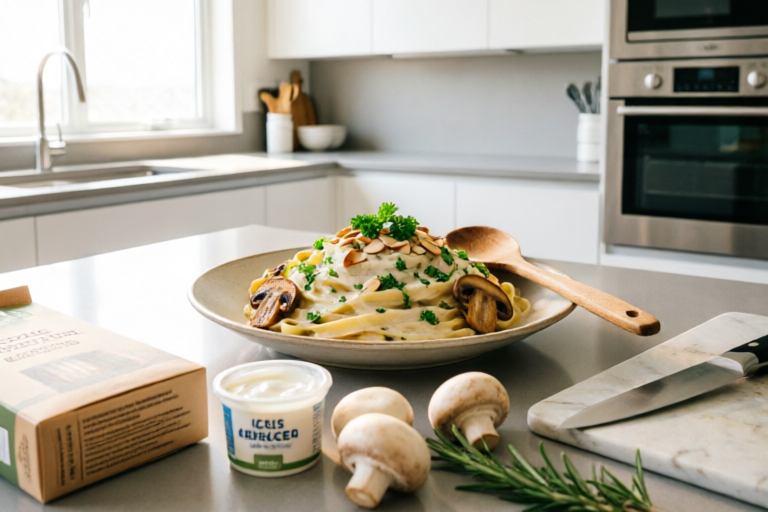
Sauce can often be the hidden calorie bomb in savory dishes. Cream-based alfredo or tomato soups often rely on heavy cream or high-fat stock. A thickener like blended cashews, silken tofu, or a roux made with whole wheat flour and olive oil instead of butter can lower the saturated fat. Using reduced chicken broth or vegetable stock as a base increases volume and savory taste without the extra grams of fat found in dairy creams. Flavor enhancers like garlic, onion powder, chili flakes, and fresh basil can boost perceived richness, so you reach for the salt shaker less.
By adopting these techniques, you change the entire dynamic of your cooking routine. You spend less time standing over a hot stove with splattering oil and more time planning balanced meals. The transition takes practice, especially adjusting cooking times since air fryers and ovens behave differently than deep fryers, but the payoff in long-term health is undeniable.
## 4. Dessert Hacks: Enjoying Sweet Treats More Responsibly
No discussion of comfort food would be complete without addressing dessert. This is often the hardest area for people to navigate because sugar is highly addictive and culturally ingrained as a reward mechanism. However, giving up treats entirely leads to bingeing later. The goal is moderation and smart formulation. There are proven strategies to reduce refined sugar and unhealthy fats while keeping the satisfaction factor high.
### Sweetening Naturally
Refined white sugar offers empty calories and causes rapid spikes in blood glucose. Substitute it with natural sweeteners that contain trace minerals and fiber. Monk fruit extract and stevia are excellent zero-calorie options that are heat-stable. Date paste is another powerful tool; blend soaked Medjool dates with a little water to create a syrup that adds caramel notes and sweetness. Maple syrup and honey are better options than white sugar because they offer antioxidants, though they should still be used in moderation due to their concentrated nature. Experimentation is key here; some substitutions may alter the browning or texture, so keep a journal of ratios that work best for you.
### Fat Replacement with Fruit Purees
Butter and oil are major sources of saturated fat in cookies and cakes. You can replace a significant portion of fat with unsweetened fruit purees such as applesauce, mashed banana, or pumpkin purée. For example, if a recipe calls for 1 cup of oil, try replacing half of it with applesauce. The pectin in the fruit binds the batter similarly to fat, keeping the cake moist. Mashed berries can also serve as a glaze or filling, adding vibrant color and vitamins. This approach transforms a heavy dessert into something lighter, almost akin to a fruit tart in disguise.
### Incorporating Nuts and Seeds
Texture is the other missing link in healthy desserts. Soft cakes can feel disappointing compared to the crunch of a cookie. Integrate chopped walnuts, almonds, chia seeds, or hemp hearts into your baked goods. These not only provide that satisfying snap but also deliver Omega-3 fatty acids and protein. Sprinkling crushed nuts on top of ice cream sorbet adds a premium feeling to the treat. Dark chocolate, preferably with 70% cocoa or higher, contains less sugar and higher antioxidants than milk chocolate chips. Melting dark chocolate and freezing it into clusters makes for a crunchy, satiating snack.
### The Power of Portion Control and Presentation
Sometimes the hack isn’t the ingredient, but the serving size. Eating a smaller portion of a high-quality dessert is more satisfying than overindulging in a lower-quality one. Invest in beautiful plates to enhance the visual appeal of a small serving, which psychologically makes the experience feel larger. Also, pairing a dessert with a strong coffee or tea can slow down consumption, giving your brain time to register fullness. Creating a ritual around dessert consumption helps curb impulsive cravings. Perhaps it is a special mug of hot cocoa made with almond milk and cinnamon, rather than a box of vending machine bars.
By tweaking recipes and mindset, you reclaim ownership of your dessert choices. You move from viewing sweets as the enemy to seeing them as part of a holistic lifestyle that celebrates joy and nourishment simultaneously. These hacks prove that you do not have to be hungry to be virtuous, nor can you be happy without enjoyment.
## 5. Conclusion: Making Long-Term Dietary Changes Stick
As we conclude this guide, remember that the goal of modifying comfort foods is not to eliminate them from your life, but to integrate them sustainably. The landscape of your kitchen and your plate can change overnight, but lasting habits are built brick by brick. We have explored how swapping ingredients can boost nutrient density, how cooking techniques can preserve texture while lowering calories, and how desserts can be enjoyed responsibly. Each of these changes contributes to a larger picture of overall wellness.
To ensure these changes stick, start small. Do not attempt to rewrite every single recipe in your cookbook tomorrow. Pick one classic dish you love—perhaps it is spaghetti or Sunday breakfast pancakes—and apply one swap to it. Maybe it’s using whole wheat flour or adding spinach to the sauce. Once that feels normal, introduce another change. Consistency beats intensity. Celebrate the small victories, like noticing that your energy levels are more stable throughout the day or that your clothing fits better. These positive reinforcements are powerful motivators.
Nutrition is a journey, not a destination. There will be days when you reach for the traditional version, and that is okay. Life is messy, and food is meant to be enjoyed. The objective of this article is to give you the confidence to choose the healthy option when the mood strikes, empowering you to make decisions that align with your future self. By understanding the impact of carbohydrates, proteins, fats, and cooking methods, you gain the power to engineer your meals for both pleasure and health.
Finally, share your creations. Involve your family in the kitchen. Explaining *why* you are changing a recipe helps solidify the habit and spreads awareness. Healthy eating is communal. Embrace the flexibility of these guidelines, experiment freely, and enjoy the process of discovering how delicious wholesome food can truly be. Your favorite comfort foods are waiting for a new identity, one that satisfies your body as well as your soul. Bon appétit!
Comments

SweetToothSam
Halved the sugar in the brownie recipe, still sweet enough. Not too hard to adjust.
👍 27👎 0

CleanEater22
Finally something that doesn't feel like punishment. Going to try one swap this week.
👍 28👎 0

SaladLover
Tried the olive oil spray trick on fries. Way less grease!
👍 1👎 0

GregCooks
quick q: how long to bake boneless skinless breasts at 375 so they don't dry out?
👍 21👎 0

TacoTuesday
The dessert hacks section saved me. Used applesauce in muffins and they turned out great.
👍 15👎 0

FitMomOf3
My picky eaters are tough though. Did you find success mixing regular and whole wheat pasta?
👍 8👎 0
KitchenWitch_
Used cauliflower rice for stir fry tonight, honestly couldn't tell the difference once tossed in sauce. Win win!
👍 1👎 0