How to Prepare Quick and Easy Meals for Busy Weekdays
Nourish Yourself Without Losing Sleep
Introduction
In the relentless rhythm of modern life, the dinner table has become a battleground between necessity and convenience. For millions of professionals, parents, and students, the workday does not simply end at five o'clock. Between commutes, household chores, extracurricular commitments, and personal downtime, finding the energy and time to cook a nutritious meal feels increasingly impossible. The result is often a reliance on processed foods, expensive delivery services, or skipping meals altogether.
This cycle creates a double burden: financial strain and compromised health. When we rely on fast food or instant noodles, we sacrifice essential nutrients for speed, leading to lower energy levels, brain fog, and long-term health risks. However, maintaining a balanced diet amidst a hectic schedule is not a utopian dream; it is a achievable reality through strategic planning and execution.
The goal is not to transform yourself into a professional chef overnight. Instead, the objective is to streamline the cooking process. By adopting a systematic approach to food preparation, you can reclaim hours of your week. This comprehensive guide will walk you through the exact steps to prepare quick and easy meals for busy weekdays. We will cover everything from psychological barriers like decision fatigue to practical techniques like batch cooking and utilizing the right technology. Whether you are a seasoned home cook or someone who orders takeout twice a week, these actionable tips are designed to reduce stress and improve your nutritional intake immediately.
Plan Your Weekly Menu in Advance
The biggest mistake people make when trying to eat healthier on busy days is assuming they will figure it out on Sunday night or Wednesday morning. This reaction-based approach leads to poor choices. Proactive planning is the foundation of success.
Eliminate Decision Fatigue
Decision fatigue occurs when the quality of decisions deteriorates after a long session of decision making. In the context of cooking, asking yourself "What should I cook tonight?" while already tired and hungry depletes your willpower. By deciding your meals at the beginning of the week, you save this mental energy for other tasks. Select three lunches and four dinners that you know you will enjoy. Having a confirmed menu means when Friday evening hits, you simply execute the plan rather than deliberating.
Create Efficient Grocery Lists
Once your menu is set, your grocery list follows automatically. However, efficiency lies in grouping items. Organize your list by store sections—produce, dairy, pantry, meat—so you do not waste time walking back and forth across the supermarket aisles. Furthermore, cross-check what you already have in your pantry and fridge before leaving the house. This reduces waste and saves money. Consider creating a rotating list of staples so you always know what needs replenishing.
Build Flexibility into Your Plan
Rigidity is the enemy of consistency. Life happens; meetings run late, kids get sick, and you feel unmotivated. Designate one night a week as a "flex night." This could be a leftover night where you use up whatever protein or vegetables remain, or a planned takeaway night if the week gets too overwhelming. Knowing you have a contingency plan makes sticking to the schedule less stressful and more sustainable long-term.
Master the Art of Batch Cooking
Batch cooking is often misunderstood as spending six hours on Saturday scrubbing pots. In reality, it is about cooking larger quantities of ingredients or complete meals during a low-stress period, typically the weekend, to simplify weekday nights. The philosophy is simple: Cook once, eat multiple times.
Select the Right Base Components
You do not need to cook entire casseroles every weekend. Often, it is smarter to cook components that can be mixed and matched. Start with a base grain like quinoa, brown rice, or couscous. These form the foundation of many bowls and salads. Roast a tray of hardy vegetables like broccoli, sweet potatoes, or Brussels sprouts. Then, choose a versatile protein source such as ground turkey, shredded chicken, baked tofu, or boiled eggs.
These components can be kept separate in the fridge. On a busy Tuesday, instead of making a stir-fry from scratch, you simply heat rice, grab the roasted broccoli and chicken, and throw them in a bowl with sauce. This assembly takes minutes rather than forty-five minutes.
The Freezer-Friendly Strategy
Not everything needs to be eaten immediately. Sauces, stews, soups, and marinades freeze exceptionally well. Invest in portion-sized freezer bags or glass containers. Label everything with the date and contents. This turns your freezer into a "backup meal generator." On days when you absolutely cannot cook, you can pull a healthy, homemade meal from the freezer in five minutes. Soups like lentil or chicken noodle hold up particularly well in the freezer, retaining texture and flavor upon reheating.
Understanding Storage Safety
While efficiency is key, food safety cannot be ignored. Allow cooked foods to cool slightly before placing them in the refrigerator to prevent raising the internal temperature, but do not leave perishables out for more than two hours. Use airtight containers to prevent spills and odor transfer. Most cooked proteins and grains stay fresh in the fridge for four days. Anything past that should be frozen. By mastering storage, you ensure that your effort remains beneficial and safe to consume.
Utilize Time-Saving Ingredients and Tools
Innovation in both food processing and kitchen technology has drastically reduced the barrier to entry for home cooking. Leveraging the right ingredients and gadgets can cut active cooking time by half.
Pantry Staples That Work Hard
Your pantry should be stocked with high-quality ingredients that require minimal preparation. Canned beans (chickpeas, black beans, kidney beans) are pre-cooked and ready to drain and rinse in seconds. They provide excellent protein and fiber. Pre-cut onions, jarred minced garlic, and diced tomatoes in cans save you the labor of chopping. Frozen vegetables are another powerhouse. They are often flash-frozen at peak ripeness, meaning they retain more nutrients than fresh produce sitting on a shelf for a week. Corn, peas, edamame, and broccoli florets are perfect for tossing into pasta or frying pans.
Kitchen Gadgets for Speed
Certain appliances change the game for busy cooks. The Instant Pot (pressure cooker) allows you to cook dried beans in twenty minutes or tough cuts of meat that would usually take hours until tender in a fraction of the time. The Air Fryer offers crispy results with little to no oil and faster heating times than conventional ovens. A high-speed blender can turn leftover soup into a smooth cream base instantly. Even simple tools matter: a sharp knife reduces prep time and prevents accidents, and a large cutting board provides ample space for multiple tasks simultaneously.
Mindful Ingredient Selection
Choosing whole foods is important, but ease of access matters too. If it takes ten steps to prep an ingredient, you might skip it. Opt for baby carrots over whole carrots, pre-washed salad greens, or boneless, skinless chicken thighs that cook faster than breasts. Small changes in selection compound into significant time savings throughout the day.
Adopt Simple One-Pot or Sheet Pan Recipes
Cleanup is the primary deterrent for cooking after a long day. Reducing the number of dishes to wash removes a major psychological barrier. One-pot meals and sheet pan dinners solve this by containing everything in a single vessel.
The Sheet Pan Philosophy
Sheet pan meals involve arranging protein and vegetables on a baking tray lined with parchment paper, drizzling with oil and seasonings, and roasting in the oven at once. Because they roast together, flavors meld beautifully. You can toss chicken sausages with bell peppers and onions on one side, and salmon with asparagus on the other. Once cooked, scrape onto plates and serve. There are no extra bowls to wash. Parchment paper ensures cleaning is a matter of tossing the paper away and wiping the pan.
One-Pot Pasta and Grains
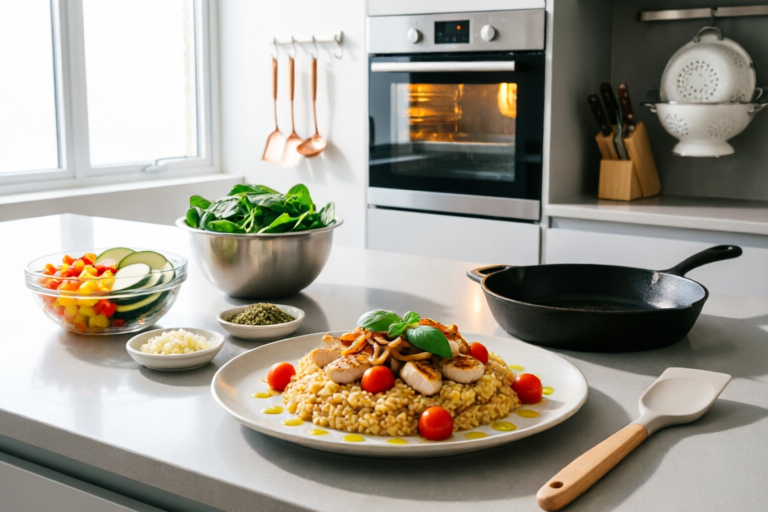
Traditional pasta requires boiling water, draining, and then cooking the sauce separately. One-pot methods involve cooking the pasta directly in the sauce or broth. As the liquid evaporates, the starch thickens the sauce, creating a creamy texture naturally without heavy creams. Risotto-style grains like barley or farro also lend themselves well to this method, absorbing all the liquid directly in the pot.
Cook-While-You-Focus
The beauty of these methods is that they are mostly hands-off. Once the oven is set or the pot is covered, you are free to answer emails, play with your children, or shower while your food cooks. This multitasking capability is crucial for maintaining productivity alongside domestic responsibilities. While the food cooks, you can focus on other tasks rather than standing at a stove stirring constantly.
Conclusion and Tips for Success
Transforming your relationship with food preparation requires patience and a commitment to gradual improvement. You will not fix a week's worth of bad habits in a single Sunday afternoon of intense prep. Success lies in building sustainable habits rather than temporary spikes of productivity.
Consistency Over Perfection
If you fail to cook on Thursday, do not abandon the strategy entirely. Just pick up again on Friday. Treat meal prep as a marathon, not a sprint. Some days will be messy, and some ingredients may spoil. Learn from those instances rather than feeling guilty. Adjust the plan for the following week based on what worked and what didn't.
Start Small
Do not attempt to overhaul your entire pantry and schedule immediately. Start by planning just two dinners and one lunch per week. Once that routine feels comfortable, expand to three. Small wins build momentum and confidence. Celebrate the fact that you took the time to care for your body.
Motivation for Implementation
The benefits extend beyond physical health. Preparing meals at home fosters a sense of accomplishment and control. It teaches you to respect your ingredients and understand their origins. Ultimately, prioritizing quick and easy meals for busy weekdays is an investment in your future self. By freeing yourself from daily culinary stress, you gain more time for hobbies, rest, and relationships. Take the first step today: open your calendar, select two simple recipes, and shop for the ingredients. Your week ahead thanks you.
"Comments

Great read! Definitely cutting down on my mental load. Saved to bookmarks.
Can someone clarify if I can reheat the leftovers once already frozen? Don't want to mess up the texture.

Tried using frozen veggies like you said but added extra garlic powder for flavor. Came out great! Wish I started doing this sooner.

Honestly, the grocery list tip alone changed my life. Less wandering around the aisles for me lol. Will try that air fryer hack next.

Does anyone know how long these meals last in the fridge? I'm always worried about food safety when batch cooking.

Just tried the sheet pan idea you suggested last week! So much easier than chopping everything separately. My family loved it 🍗