Persian Cats and Their Grooming Needs: Tips for Keeping That Fluffy Coat Healthy
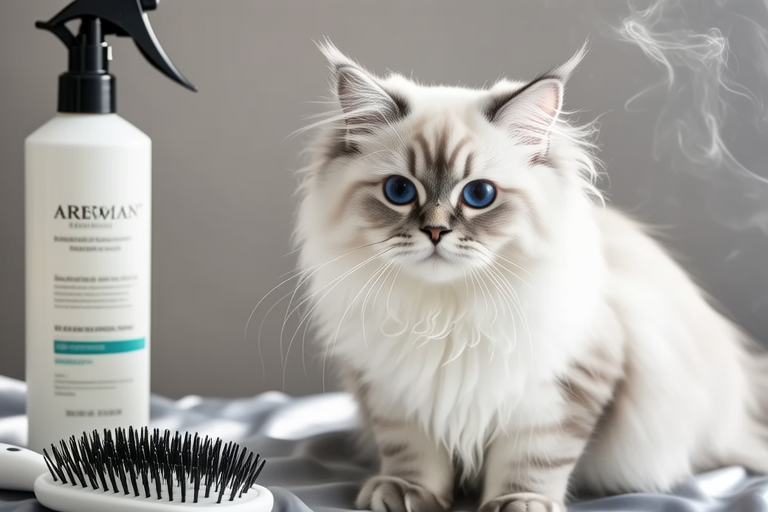
Persian cats are one of the most popular and recognizable breeds of felines, known for their luxurious, long, and fluffy coats. These regal creatures have a distinct appearance that sets them apart from other cat breeds. With their expressive eyes, short muzzles, and plush coats, they exude an air of elegance and grace. Persian cats come in a wide array of colors and patterns, making each one unique.
Their coats are one of their most striking features, but this beauty comes with a responsibility. Persian cats require meticulous grooming to maintain their coat’s health and appearance. Regular grooming not only keeps their fur looking its best but also provides significant health benefits. Proper grooming can prevent skin infections, reduce the risk of hairballs, and help manage shedding. Additionally, it plays a vital role in preventing matting, which can be painful for the cat and difficult to remove without professional assistance.
Grooming Tools Necessary for Effective Care
To ensure your Persian cat’s coat remains healthy and beautiful, you’ll need a variety of specialized grooming tools. Here’s a detailed list of what you’ll need:
- Pin brush: This brush has fine wire bristles that are perfect for removing tangles and dead hair from the coat.
- Slicker brush: A slicker brush is essential for deep cleaning the undercoat and removing loose hairs.
- Wide-toothed comb: This helps to untangle knots gently and keep the top layer of fur smooth.
- Deshedding tool: This tool is designed to remove excess fur during shedding season.
- Flea comb: Useful for checking your cat for fleas and ticks and removing any parasites.
- Cat shampoo and conditioner: Choose products specifically formulated for cats to avoid skin irritation.
- Towel: Use a soft towel to dry your cat after a bath.
- Ear cleaner: A gentle ear cleaner will help keep your cat’s ears clean and free from wax buildup.
- Nail clippers: These are necessary for trimming your cat’s nails regularly.
- Eye wipes: Soft, damp wipes to clean around the eyes and prevent tear staining.
Step-by-Step Grooming Tips
Brushing Techniques
Brushing is the cornerstone of Persian cat grooming. It should be done daily to prevent matting and distribute natural oils throughout the coat. Begin by using a pin brush to remove any loose hair and debris from the surface of the coat. Next, use a slicker brush to work through the undercoat, ensuring all knots are gently removed. Finish with a wide-toothed comb to smooth the fur and give it a sleek finish.
Bathing Instructions
Bathing should be done as infrequently as possible, typically every few months, unless your cat gets into something particularly messy. Before bathing, make sure to brush your cat thoroughly to remove any loose hair. Fill a sink or tub with warm water and add a small amount of cat-specific shampoo. Wet your cat from head to tail, avoiding the eyes and ears. Gently massage the shampoo into the coat, paying special attention to areas prone to matting. Rinse thoroughly with warm water and follow up with a conditioner to help detangle and soften the fur. Towel dry your cat and allow them to air dry completely before brushing again.
Nail Trimming
Trimming your Persian cat’s nails is important for their comfort and hygiene. Use sharp, cat-friendly nail clippers. Gently hold your cat’s paw and extend the claw by pressing near the base of the toe. Trim the tip of the nail, being careful not to cut the quick, which contains blood vessels and nerves. If you accidentally cut the quick, apply styptic powder to stop the bleeding. Regular nail trims will prevent overgrown nails and keep your cat’s paws healthy.
Ear Cleaning
Clean your cat’s ears weekly to prevent infections and maintain good hygiene. Use a cotton ball or soft cloth dipped in a cat-safe ear cleaner. Gently wipe the outer part of the ear, avoiding the ear canal. Never insert anything into the ear canal, as this can cause injury or damage. Check for signs of redness, swelling, or discharge, which could indicate an infection.
Common Grooming Challenges and Solutions
Persian cats can present some unique grooming challenges due to their dense, long coats. One common issue is matting, which can occur if the coat is not brushed regularly. To address this, start by carefully working out small mats with your fingers or a mat rake. For larger mats, consider taking your cat to a professional groomer. Another challenge is tear staining, which can happen when tears flow onto the fur beneath the eyes. To prevent this, gently wipe the area around the eyes daily with a soft, damp cloth. Additionally, some Persians may develop respiratory issues due to their flattened faces, so it’s important to keep their facial folds clean and dry to prevent infections.
Establishing a Regular Grooming Routine
Maintaining a regular grooming routine is crucial for the health and well-being of your Persian cat. Start by setting aside a specific time each day for brushing, ideally when your cat is calm and relaxed. Gradually introduce your cat to the grooming process, rewarding them with treats and praise to create positive associations. Consistency is key; even a few minutes of grooming each day can make a big difference. Patience is also essential, especially when dealing with stubborn mats or resistant cats. By staying patient and consistent, you’ll be able to keep your Persian cat’s coat healthy and beautiful.
In conclusion, Persian cats are exquisite animals with stunning, long, and fluffy coats. However, their beauty requires diligent care and maintenance. By understanding the importance of grooming, equipping yourself with the right tools, and following proper grooming techniques, you can ensure your Persian cat remains healthy and happy. Remember, the effort you put into grooming now will pay off in the long run, resulting in a cat that is both beautiful and comfortable. With patience and consistency, you can establish a routine that benefits both you and your furry companion.
