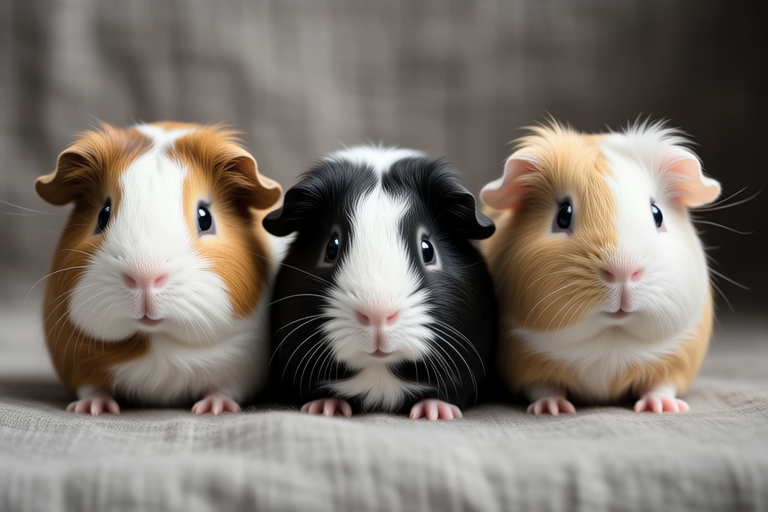
Adorable Guinea Pigs: The Ultimate Guide to Choosing the Perfect Pet
Welcome to the world of adorable guinea pigs! These charming rodents have captured the hearts of many pet owners with their playful antics and gentle nature. With their expressive faces and soft fur, it’s no wonder that guinea pigs are one of the most popular small pets. Whether you’re a first-time pet owner or looking to expand your furry family, this guide will help you understand what it takes to provide a loving home for these delightful creatures.
Understanding Basic Needs
Diet
Guinea pigs have specific dietary requirements to maintain their health. Their diet should consist primarily of hay, which aids in digestion and keeps their teeth worn down. Fresh vegetables and fruits, such as carrots, spinach, and apples, offer essential vitamins and minerals. Additionally, guinea pigs require a constant supply of vitamin C, which they cannot produce themselves. Pellets formulated specifically for guinea pigs also provide necessary nutrients. Always ensure a clean water source is available.
Housing
Adequate housing is crucial for your guinea pig’s well-being. Choose a spacious cage with at least 7.5 square feet of space for one guinea pig, more if you plan to house multiple. The cage should be elevated off the ground to prevent drafts and provide a comfortable living area. Use bedding made from safe materials like paper-based products or fleece to keep the environment clean and cozy. Avoid cedar or pine shavings, as these can irritate your guinea pig’s respiratory system.
Exercise
Like all animals, guinea pigs need regular exercise to stay healthy. Provide them with a safe play area outside of their cage where they can explore and run around. This could be a dedicated room or a large pen with appropriate supervision. Incorporating tunnels, chew toys, and ramps into their environment encourages physical activity and mental stimulation. Remember to supervise your guinea pig during playtime to ensure their safety.
Common Health Issues and Preventive Care
While generally hardy, guinea pigs can develop certain health problems. Regular veterinary check-ups are essential to catch any issues early. Some common ailments include dental problems, respiratory infections, and skin conditions. Signs of illness may include loss of appetite, lethargy, sneezing, or changes in coat quality. To prevent health issues, maintain proper hygiene by cleaning the cage regularly and providing fresh food and water daily.
Selecting the Right Guinea Pig
Temperament
When choosing a guinea pig, consider their temperament. Some guinea pigs are more outgoing and affectionate, while others may be shy or reserved. Spend time observing each animal before making a decision. A guinea pig that shows interest in you and is comfortable being handled is likely a good fit for a family pet. Patience is key when interacting with a shy guinea pig; they may take longer to warm up but can still become loving companions.
Breed
There are several breeds of guinea pigs, each with unique characteristics. For example, the Abyssinian has a curly coat and a lively personality, while the Peruvian boasts long, flowing hair. Consider the appearance and care requirements of each breed before making your choice. If you’re unsure, consult with a breeder or veterinarian for guidance.
Integrating Your New Guinea Pig Into the Family
Bringing a new guinea pig into your home requires careful planning. Allow them time to adjust to their new surroundings by setting up a quiet, secure space. Gradually introduce them to family members, especially children, ensuring interactions are gentle and supervised. Establishing a routine for feeding, cleaning, and playtime helps your guinea pig feel secure and happy in their new environment.
Maintaining a Happy, Healthy Environment
To ensure your guinea pig remains happy and healthy, pay attention to their behavior and overall condition. Offer plenty of enrichment activities and opportunities for social interaction. Keep their living area clean and free from hazards. Regular grooming, especially for long-haired breeds, promotes a healthy coat and reduces the risk of matting. Most importantly, show your guinea pig love and attention; they thrive on human companionship.
In conclusion, adopting a guinea pig is a rewarding experience that brings joy and companionship to many households. By understanding their basic needs, addressing potential health concerns, and providing a loving environment, you can ensure your guinea pig lives a long, healthy, and fulfilling life. Happy guinea pig parenting!
