A Tail Wagging Tale: The Top Secrets Behind Raising a Happy Samoyed
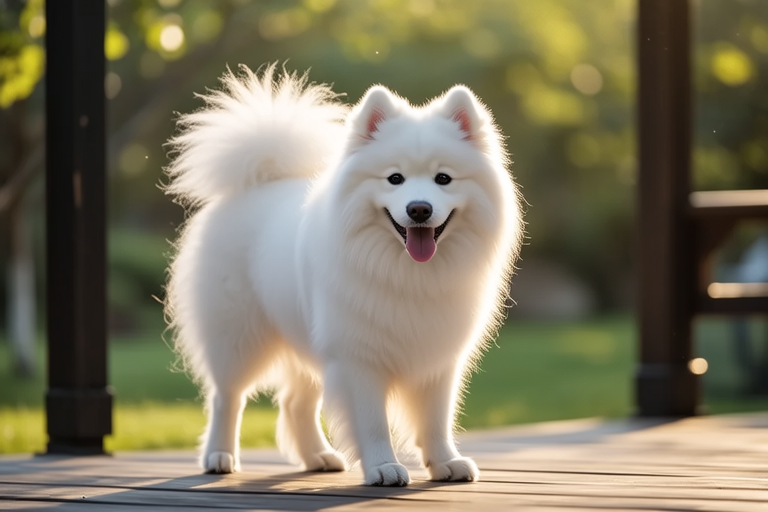
Welcome to the world of Samoyeds! Known for their fluffy white coats and charming smiles, these dogs are more than just eye candy. They’re intelligent, loyal, and incredibly social animals that can become the heart of your family. However, raising a happy Samoyed requires understanding their unique needs and characteristics. In this article, we’ll delve into the top secrets behind raising a happy Samoyed, covering diet, exercise, grooming, socialization, and training.
The Samoyed Diet: Fueling Your Dog’s Energy
Samoyeds have high energy levels, which means they need a balanced diet rich in proteins and fats. A study by the American Kennel Club suggests that feeding your Samoyed a high-quality dog food designed for large breeds is essential. Look for foods that list meat as the first ingredient, ensuring your dog gets enough protein. Avoid cheap fillers and artificial preservatives, as they can lead to health issues over time.
In addition to commercial dog food, consider adding supplements like fish oil for omega-3 fatty acids, which promote healthy skin and coat. Always consult with your veterinarian before introducing any new supplement to your dog’s diet.
Exercise: Keeping Your Samoyed Fit and Happy
Samoyeds were originally bred to herd reindeer and pull sleds, so they have a lot of energy to burn. Regular exercise is crucial for maintaining their physical and mental health. Aim for at least two hours of activity daily, including walks, runs, and playtime.
One of the best ways to ensure your Samoyed gets enough exercise is through interactive games. Fetch and tug-of-war are great options. Not only do these activities provide physical exercise, but they also help strengthen the bond between you and your dog. Remember, a tired Samoyed is a happy Samoyed!
Grooming: Maintaining That Fluffy Coat
Samoyeds have a thick double coat that requires regular grooming to prevent matting and shedding. Brush your Samoyed at least twice a week, increasing frequency during shedding seasons. Use a slicker brush and a pin brush to remove tangles and distribute natural oils throughout the coat.
While grooming, pay special attention to areas prone to matting, such as behind the ears and under the legs. Bathing should be done every few months, using a mild dog shampoo. After bathing, thoroughly dry your Samoyed to avoid skin irritation.
Socialization: The Key to a Well-Balanced Samoyed
Samoyeds are naturally social and love being around people. Early socialization is important to ensure your Samoyed grows up to be a well-adjusted companion. Expose your puppy to various environments, people, and other animals from an early age. This helps build confidence and reduces the risk of fear-based aggression.
Anecdote: I once knew a Samoyed who was terrified of bicycles. It turned out he had never seen one before moving to the city. With some gentle exposure and positive reinforcement, he soon became comfortable around bikes and even wagged his tail when he saw one.
Training: Harnessing the Intelligence of the Samoyed
Samoyeds are highly intelligent and eager to please, making them quick learners. However, their independence can sometimes pose a challenge. Consistent and positive reinforcement training is key. Reward good behavior with treats and praise, and avoid punishment, as it can lead to fear and anxiety.
Begin training your Samoyed as early as possible. Basic commands like ‘sit’, ‘stay’, ‘come’, and ‘leave it’ are essential for safety and control. Advanced training, such as agility or obedience competitions, can further stimulate their minds and bodies.
Health Considerations: Keeping Your Samoyed Healthy
Samoyeds are generally healthy dogs, but they are prone to certain genetic conditions, such as hip dysplasia and progressive retinal atrophy. Regular veterinary check-ups and genetic testing can help identify and manage these conditions early.
Another common issue for Samoyeds is dental disease. Regular brushing and professional cleanings can help maintain oral health. Consider adding dental chews to your dog’s diet to further promote dental hygiene.
Unique Characteristics of the Samoyed
Samoyeds have several unique traits that set them apart from other breeds. Their smiling faces and fluffy coats are instantly recognizable, but their loyalty and affection are what truly make them special companions. Samoyeds are known for their protective nature, often acting as watchdogs without being aggressive.
They are also very adaptable, thriving in both cold and warm climates. Their thick coats provide insulation against the cold, while their intelligence allows them to adjust to warmer temperatures. However, be cautious about overexposure to heat, as Samoyeds can suffer from heatstroke if left in hot environments.
Final Thoughts
Raising a happy Samoyed is a rewarding experience that requires dedication and understanding. By providing a balanced diet, ample exercise, proper grooming, socialization, and training, you can ensure your Samoyed leads a long and healthy life. Remember, each Samoyed is unique, so adapt your approach based on your dog’s individual needs and personality.
With patience, love, and care, you can create a strong bond with your Samoyed and enjoy many years of companionship. Whether you’re a new owner or a seasoned dog lover, the joy of having a Samoyed in your life is unparalleled. Happy tail wagging!
