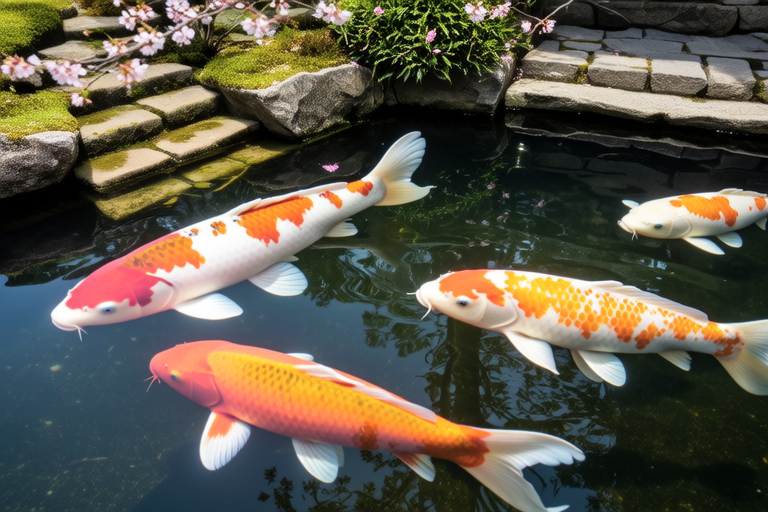
The Ultimate Guide to Raising Healthy and Happy Koi
Raising healthy and happy koi requires dedication, knowledge, and commitment. This comprehensive guide covers essential aspects of koi keeping, from setting up the ideal pond to maintaining water quality and providing proper nutrition. Whether you’re a beginner or an experienced koi keeper, this article will equip you with actionable advice supported by best practices in koi care.
Choosing the Right Pond Setup
The foundation of successful koi keeping lies in creating the perfect pond environment. Consider these factors when designing your pond:
- Pond Size: A minimum depth of 4 feet (1.2 meters) is recommended to ensure year-round comfort for koi. The surface area should be at least 100 square feet (9.3 square meters) per fish.
- Location: Choose a site that receives partial shade to protect koi from direct sunlight, which can lead to algae growth and overheating.
- Filtration System: Invest in a high-quality filtration system capable of handling at least one pond volume per hour. Mechanical, biological, and chemical filtration are crucial for maintaining clean water.
- Aeration: Oxygen levels are vital for koi health. Install an aerator or fountain to increase oxygenation and prevent stagnation.
- Shelter: Provide hiding spots such as caves, plants, or submerged structures to reduce stress and promote natural behaviors.
Water Quality Maintenance
Maintaining optimal water conditions is paramount for koi health. Regular testing and adjustments ensure a safe and comfortable environment:
- Temperature: Keep water temperatures between 68°F and 77°F (20°C and 25°C). Use heaters or coolers if necessary to maintain this range.
- pH Levels: Aim for a pH between 7.2 and 8.0. Adjust with pH buffers if needed.
- Ammonia and Nitrite: Test weekly for ammonia and nitrite, ensuring they remain undetectable. High levels indicate poor filtration or overstocking.
- Nitrate: Maintain nitrate levels below 50 ppm through regular water changes.
- Chlorine and Chloramine: Remove these harmful substances using dechlorinators before adding new water.
Appropriate Feeding Practices
Proper nutrition is essential for koi growth, coloration, and overall well-being. Follow these guidelines:
- High-Quality Food: Select sinking pellets rich in protein and fats for optimal growth. Include vegetables and algae wafers for variety.
- Feeding Schedule: Feed twice daily during warmer months and once daily during cooler periods. Limit portions to what koi can consume within five minutes.
- Seasonal Adjustments: Reduce feedings in winter when koi become less active. Switch to specialized cold-water formulas if needed.
- Variety: Offer treats like shelled peas, blanched zucchini, and freeze-dried krill to enhance color and provide essential nutrients.
Disease Prevention
Preventing diseases is easier than treating them. Implement these preventive measures:
- Quarantine New Fish: Isolate new additions for several weeks to monitor for signs of illness.
- Regular Inspections: Check koi daily for unusual behavior, lesions, or other symptoms. Early detection aids in prompt treatment.
- Stress Management: Minimize stressors such as overcrowding, aggressive tank mates, and sudden environmental changes.
- Sanitation: Clean equipment and decorations regularly to prevent the buildup of pathogens.
- Treatment: Consult a veterinarian for appropriate medications if disease is suspected. Quarantine affected fish to prevent spread.
Tips for Creating an Enriching Environment
Creating an engaging and stimulating environment enhances koi welfare:
- Plants: Introduce aquatic plants like water lettuce, hornwort, and anacharis to provide shade, oxygenate water, and offer hiding places.
- Decorations: Add rocks, driftwood, and artificial plants to mimic natural habitats and encourage exploration.
- Lighting: Install LED lights to simulate day-night cycles and highlight koi’s vibrant colors.
- Interactivity: Engage with koi through gentle hand-feeding and regular observation to build trust and strengthen bonds.
- Socialization: Keep compatible species together to promote social interaction and reduce stress.
Conclusion
Raising healthy and happy koi involves careful planning, diligent maintenance, and thoughtful care. By following the guidelines outlined in this ultimate guide, you’ll create an environment where your koi thrive. Remember that koi are long-lived pets requiring ongoing attention; their health and happiness depend on your commitment to their well-being.
