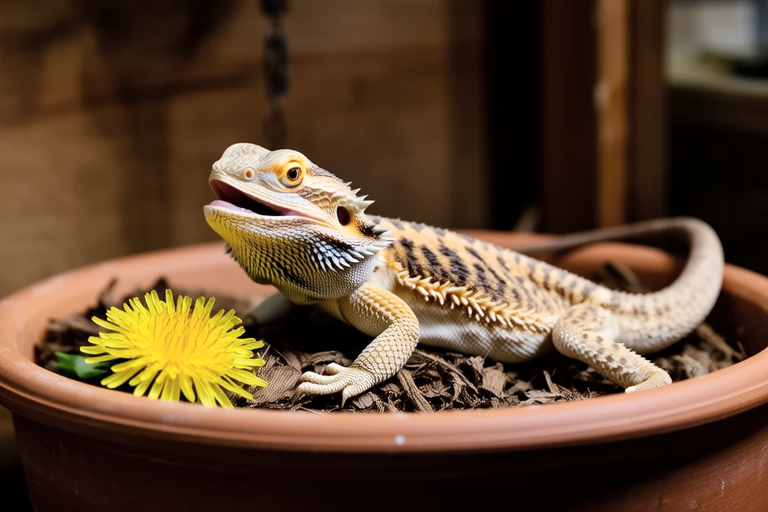
How to Make Your Bearded Dragon Happy and Healthy: Expert Tips
Welcome to your comprehensive guide on how to ensure your bearded dragon leads a happy and healthy life. Whether you’re a seasoned reptile enthusiast or a first-time owner, this article will provide you with expert tips to help you understand and meet the needs of your scaly friend.
Proper Diet
A balanced diet is crucial for your bearded dragon’s health. Insects like crickets, dubia roaches, and mealworms should make up about 70% of their diet, while vegetables such as leafy greens (kale, collard greens), squash, and carrots should account for the remaining 30%. Gut loading insects with nutritious food before feeding them to your dragon ensures they receive maximum benefit. Avoid feeding them iceberg lettuce, spinach, or rhubarb as these can be harmful.
Hydration
Bearded dragons need adequate hydration. Provide fresh water daily in a shallow dish. While they may not drink frequently, it’s important to keep the dish clean and accessible. Some dragons prefer misting, which also helps maintain humidity levels in the enclosure. However, avoid over-misting as excessive moisture can lead to respiratory infections.
Habitat Setup
The ideal habitat mimics their natural environment. A 40-gallon tank is suitable for an adult dragon, offering ample space for climbing and basking. Equip the tank with branches, rocks, and hides for climbing, resting, and hiding. Use a substrate that’s safe and easy to clean, such as reptile carpet or paper towels, avoiding loose substrates like sand which can cause impaction if ingested.
Temperature Regulation
Maintaining the right temperature is vital for digestion and overall health. The basking area should reach around 100-110°F (38-43°C) with cooler areas at about 75-85°F (24-29°C). Use thermometers and thermostats to monitor temperatures accurately. Heat lamps and ceramic heat emitters are effective heating sources, but ensure they don’t directly touch the dragon to prevent burns.
Lighting Requirements
UVB lighting is essential for calcium absorption and preventing metabolic bone disease. Replace bulbs every six months even if they still appear functional. Place the light within 12 inches of where your dragon basks to ensure optimal exposure. Provide 10-12 hours of light followed by darkness each day, simulating natural day-night cycles.
Handling Techniques
Handle your bearded dragon gently and regularly to build trust. Start by allowing them to become comfortable with your presence. Gently scoop them up from under their belly, supporting their body fully. Avoid grabbing them by the tail, which can cause injury. Regular interaction helps them feel secure and reduces stress.
Signs of a Healthy Dragon
A healthy bearded dragon appears active, alert, and responsive. Their skin is smooth without patches or lesions. They have clear eyes and nostrils, and their coloration is vibrant. Appetite is consistent, and they defecate normally. Regular vet check-ups can catch potential issues early.
Common Health Issues
Metabolic bone disease (MBD) is a serious condition caused by calcium deficiency. Symptoms include weak limbs, swollen jaw, and lethargy. Respiratory infections manifest as wheezing, nasal discharge, and difficulty breathing. Parasites can cause weight loss, diarrhea, and poor appetite. Prompt treatment from a veterinarian specializing in reptiles is crucial.
Tips for Mental Stimulation
Provide enrichment activities to stimulate your dragon mentally. Introduce new toys or rearrange the habitat occasionally. Offer puzzle feeders or hide boxes for exploration. Interactive playtime can enhance their well-being and reduce boredom.
Importance of Veterinary Care
Regular veterinary care is indispensable. Schedule annual check-ups and vaccinations. Be proactive about addressing any changes in behavior or physical appearance. A well-informed owner plays a key role in ensuring their pet’s happiness and health. Research reputable veterinarians experienced with reptiles and establish a relationship with them early.
In conclusion, understanding and meeting the specific needs of your bearded dragon requires dedication and knowledge. By following these expert tips, you’ll be well-equipped to provide a nurturing environment that promotes both physical and emotional well-being. Remember, a happy dragon is a healthy dragon!
