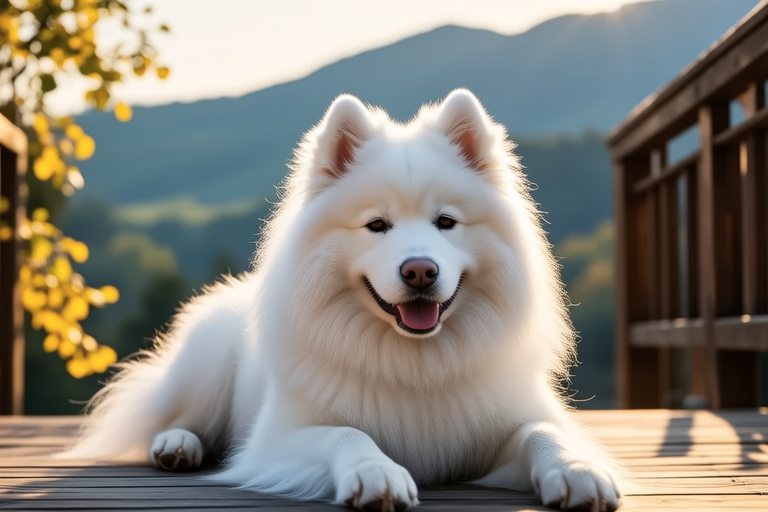
The Samoyed: A Companion and Working Dog of the Arctic
The Samoyed, known for its striking appearance and friendly demeanor, has a rich history that spans centuries. Originating in Siberia, these dogs were bred by the nomadic Samoyede people, who relied on them for various tasks. Samoyeds were not only companions but also worked alongside humans, herding reindeer and pulling sleds. Their versatility made them indispensable in the harsh Arctic environment.
History and Role in the Arctic Regions
The Samoyede people used Samoyeds for herding reindeer and pulling sleds, essential roles in their semi-nomadic lifestyle. These dogs were valued for their strength, endurance, and loyalty. In the Arctic, where temperatures can drop to extreme lows, Samoyeds were crucial for survival. They helped transport goods and people across vast, frozen landscapes, ensuring the safety and well-being of their human companions.
Samoyeds were brought to Britain in the late 19th century, where they gained popularity as show dogs and companions. The breed’s adaptability and gentle nature made it a favorite among families. Despite their origins in one of the harshest climates on Earth, Samoyeds quickly became beloved pets in warmer regions. Today, they are cherished for their loyalty and affection, making them ideal family pets.
Temperament and Unique Qualities
Samoyeds are known for their friendly and outgoing personalities. They are often referred to as “smiling” due to their characteristic expression, which gives them a perpetually happy appearance. This trait, combined with their affectionate nature, makes them excellent companions for children and other pets. Samoyeds are intelligent and eager to please, traits that make them responsive to training. However, their strong herding instincts may lead to chasing smaller animals, so early socialization is important.
One owner, Jane Thompson, shared her experience: “My Samoyed, Snowball, is the most loyal and affectionate dog I’ve ever had. He always greets me with a wagging tail and a smile. He loves to play with my kids and is protective of them. His loyalty is unwavering, and he’s always there when we need him.”
Physical Attributes and Grooming Needs
Samoyeds have a double coat, consisting of a soft undercoat and a thick outer coat. This coat provides insulation against cold weather and protects them from snow and ice. The fur is typically white, though some Samoyeds may have cream or biscuit-colored markings. Their fluffy tails curl over their backs, adding to their distinctive appearance. Regular grooming is necessary to maintain their coat, especially during shedding seasons. Brushing several times a week helps remove loose hair and prevents matting.
In addition to their coat, Samoyeds have a robust build, with males weighing between 60-70 pounds and females slightly less. They stand about 21 inches at the shoulder. Their large, expressive eyes and black noses complete their charming appearance. Proper grooming not only keeps their coat healthy but also helps prevent skin issues and promotes overall hygiene.
Health Considerations
Samoyeds are generally healthy dogs, but like all breeds, they are prone to certain genetic conditions. Hip dysplasia, a common issue in many large breeds, can affect Samoyeds. Regular veterinary check-ups and maintaining a healthy weight can help prevent this condition. Other health concerns include progressive retinal atrophy, an eye disorder that can lead to blindness, and diabetes. Early detection and management are crucial for these conditions.
Regular exercise is essential for Samoyeds to maintain their physical and mental well-being. They require daily walks and opportunities to run and play. Mental stimulation is also important, as they are intelligent dogs that enjoy problem-solving activities. Providing toys and puzzles can help keep them engaged and prevent boredom.
Anecdotes and Testimonials
Another owner, Mark Davis, shared his story: “Our Samoyed, Blizzard, has been a true companion and protector. He has a deep bond with our family and is always alert to any potential threats. His loyalty and affection are unmatched, and he brings joy to everyone around him. We couldn’t imagine life without him.”
Samoyeds’ healing presence extends beyond their homes. They are often used in therapy settings, providing comfort and emotional support to those in need. Their gentle nature and calming presence make them ideal candidates for therapy work. Many organizations train Samoyeds to visit hospitals, nursing homes, and schools, bringing smiles and happiness wherever they go.
Advice for Potential Samoyed Owners
If you’re considering adopting a Samoyed, there are several factors to keep in mind. First, ensure you’re prepared for the time and effort required for grooming. Regular brushing is necessary to keep their coat healthy and prevent matting. Second, provide plenty of exercise and mental stimulation to keep them physically and mentally fit. Daily walks and playtime are essential for their well-being.
Training is another important aspect of owning a Samoyed. While they are intelligent and eager to please, their strong will can sometimes make training challenging. Positive reinforcement techniques, such as treats and praise, work best. Consistency is key, and patience is essential. Socialization from an early age is also crucial to ensure they grow up to be well-behaved and friendly dogs.
Finally, consider the long-term commitment involved in owning a Samoyed. They are a devoted breed that forms strong bonds with their families. Providing them with love, attention, and care will ensure a rewarding relationship for both you and your furry companion.
In conclusion, Samoyeds are more than just beautiful dogs; they are loyal companions and working dogs with a rich history. Their friendly and affectionate nature, combined with their intelligence and strength, makes them ideal family pets. With proper care and attention, they can bring joy and happiness to any household. Whether you’re a first-time dog owner or an experienced pet parent, a Samoyed can be a wonderful addition to your family.
