The Unique Characteristics and History of Bengal Cats
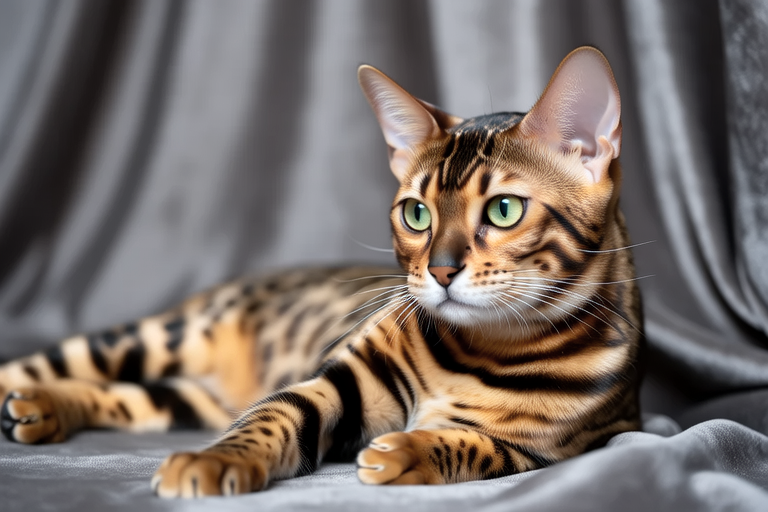
Bengal cats are one of the most fascinating breeds in the world of felines. Known for their striking appearance, these creatures combine the grace and agility of wildcats with the affectionate nature of domesticated animals. Their most distinctive feature is their coat, which comes in various patterns that have captivated cat enthusiasts for decades. This article delves into the history, genetics, and significance of Bengal cats’ spotted and striped coats, exploring how these patterns contribute to their wild appearance and their popularity among pet owners.
History and Genetic Origins
The Bengal cat is a hybrid breed developed through selective breeding between Asian leopard cats and domestic cats. The goal was to create a cat with the appearance and demeanor of a wildcat but with the temperament of a house pet. Jean Mill, an American breeder, began this project in the 1960s, and over time, the Bengal cat became a recognized breed by major cat registries.
The genetic basis for Bengal cats’ coat patterns lies in the taqpep gene, which controls the distribution of pigment in the fur. This gene is responsible for the distinctive spotting pattern seen in many wild feline species. In Bengal cats, the expression of this gene results in a range of patterns, from large, bold spots to fine, intricate rosettes. The gene also plays a role in determining the intensity and contrast of the colors within the spots, contributing to the breed’s striking appearance.
Camouflage and Wild Appearance
The spotted and striped coat patterns of Bengal cats serve as an excellent example of natural selection at work. In the wild, these patterns help cats blend into their environment, providing effective camouflage against predators and prey alike. For Bengal cats, the patterns enhance their wild appearance, making them stand out in the domesticated world. This resemblance to their wild ancestors adds to the allure of the breed, appealing to those who seek a connection with the untamed wilderness.
Different Types of Patterns
Bengal cats exhibit a variety of coat patterns, each with its own unique charm. The most common pattern is the classic or marbled pattern, characterized by swirling, fluid shapes that resemble marble. Another popular pattern is the spotted pattern, featuring distinct, well-defined spots or rosettes. Some Bengal cats even display a combination of both patterns, known as a “hybrid” pattern. Each pattern offers a different aesthetic appeal, catering to the diverse preferences of potential owners.
Owners often prefer specific patterns based on personal taste and the ambiance they wish to create in their homes. Classic patterns are favored for their elegance and sophistication, while spotted patterns are appreciated for their boldness and vibrancy. Hybrid patterns offer the best of both worlds, combining the grace of classic patterns with the energy of spotted ones. Breeders take these preferences into account when selecting breeding pairs, aiming to produce kittens with the desired coat patterns.
Health and Behavioral Traits
While there is no direct correlation between coat patterns and health or behavioral traits in Bengal cats, certain patterns may be more prevalent in specific bloodlines. For instance, some lines may be more prone to certain health issues or behavioral tendencies. However, it is important to note that these tendencies are not exclusive to particular patterns and can vary widely within the breed.
Breeders carefully consider the health and temperament of their cats when selecting breeding pairs, ensuring that the offspring inherit desirable traits. They aim to produce cats that are healthy, active, and friendly, regardless of their coat patterns. By maintaining a diverse gene pool, breeders help ensure the long-term viability and well-being of the breed.
Selective Breeding and Impact on Population
Selective breeding plays a crucial role in shaping the appearance and characteristics of Bengal cats. Breeders focus on producing cats with desirable coat patterns, while also prioritizing health and temperament. This process involves careful selection of breeding pairs, considering factors such as genetic diversity, physical attributes, and behavior.
The impact of selective breeding on the overall population of Bengal cats is significant. It has led to the development of a breed with consistent, high-quality traits, enhancing their appeal as pets. However, it is essential to maintain genetic diversity to prevent the emergence of health issues and ensure the long-term sustainability of the breed. Responsible breeders work diligently to balance the pursuit of desirable traits with the preservation of genetic diversity.
Enduring Appeal of Bengal Cats
The enduring appeal of Bengal cats lies in their unique combination of wild appearance and domesticated temperament. Their striking coat patterns add to their mystique, drawing people to these captivating creatures. The breed’s popularity continues to grow, with enthusiasts worldwide appreciating their beauty and charm.
Bengal cats are not just admired for their looks; they are valued for their playful and engaging personalities. These cats are known for their intelligence, curiosity, and affection, forming strong bonds with their human companions. Their ability to adapt to various environments makes them ideal pets for families and individuals alike.
In conclusion, Bengal cats are a testament to the wonders of selective breeding and the power of genetics. Their distinctive spotted and striped coat patterns not only make them visually stunning but also connect them to their wild ancestors. As the breed continues to evolve, Bengal cats will undoubtedly remain a favorite among cat lovers, offering a unique blend of wild beauty and domesticated charm.
