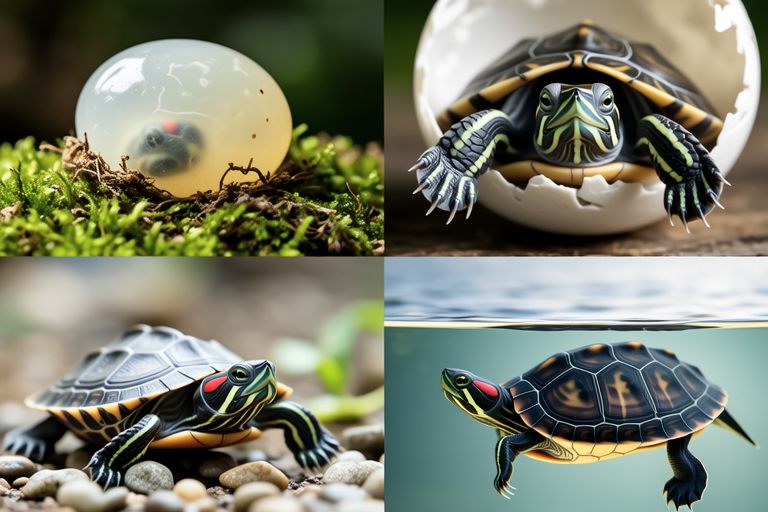
From Egg to Adult: The Journey of a Red-eared Slider
The red-eared slider (Trachemys scripta elegans) is one of the most popular pet turtles worldwide. This comprehensive guide will take you through the lifecycle of this species, from breeding and egg-laying to adulthood. We’ll explore their breeding habits, the incubation period, factors influencing hatching success, and the developmental stages from hatchling to adult.
Breeding Habits and Egg-Laying Process
Red-eared sliders reach sexual maturity between four and five years old. Mating typically occurs in spring and summer. During courtship, males swim around females and tap their front claws against the female’s head or face. If receptive, the female allows the male to mount her for copulation.
After mating, females seek suitable nesting sites away from water bodies, often digging nests in sandy or loamy soil. They lay clutches of eggs ranging from 2 to 30, depending on the turtle’s age and size. The eggs are soft-shelled and leathery, approximately 1 inch in diameter.
Incubation Period and Factors Affecting Hatching Success
Eggs require specific conditions to develop properly. Incubation lasts around 60 to 90 days under optimal conditions. Temperature plays a crucial role in determining the sex of hatchlings; higher temperatures (86-90°F) produce mostly males, while lower temperatures (75-80°F) yield more females.
Humidity levels should be maintained at 70-80%. Proper ventilation is also essential to prevent mold growth. Eggs should be turned regularly during incubation to avoid embryo attachment to the shell.
Early Life Stages: Growth, Diet, and Environmental Needs
Newly hatched red-eared sliders measure about 1 inch in length. Their primary diet consists of aquatic plants, insects, and small fish. Hatchlings need shallow water with gentle currents to aid swimming and eating. Water temperature should range from 75 to 85°F.
UVB lighting is vital for calcium absorption and overall health. Provide full-spectrum UVB bulbs that emit light within the 290-320 nanometer range. Regular feeding schedules promote healthy growth. Offer high-quality commercial turtle pellets and supplement with fresh vegetables and occasional protein sources like earthworms or bloodworms.
Hatchlings should be housed separately to prevent bullying and ensure adequate space for each individual. Gradually introduce larger prey items as they grow. By six months, young turtles can consume leafy greens, fruits, and occasional live food.
Progress to Adulthood: Physical Changes, Habitat Requirements, and Common Health Issues
Adult red-eared sliders can reach up to 13 inches in carapace length and weigh over 10 pounds. Their shells become thicker and more pronounced with age. Adult males have longer tails than females and develop large claws used for grasping females during mating.
Adults require spacious enclosures that allow ample swimming room and basking areas. Water depth should be at least twice the length of the turtle. Basking spots should provide dry land where turtles can completely dry off. Ensure the enclosure has a secure lid or cover to prevent escapes.
Common health issues include shell rot, respiratory infections, and metabolic bone disease. Shell rot manifests as soft, discolored patches on the shell. Respiratory infections present symptoms such as lethargy, difficulty breathing, and discharge from nostrils. Metabolic bone disease results from insufficient calcium intake leading to weak bones and shell deformities.
Tips for Responsible Ownership Throughout All Life Stages
Providing proper care ensures the well-being of your red-eared slider at every stage. Start by selecting reputable breeders or shelters when acquiring new turtles. Avoid purchasing wild-caught specimens due to potential health risks.
Regular veterinary check-ups help maintain good health. Keep enclosures clean to minimize bacterial growth and reduce stress. Monitor water quality closely using test kits for pH, ammonia, and nitrite levels.
Encourage natural behaviors by offering varied environments within the enclosure. Include floating platforms, hiding spots, and live plants. Rotate enrichment items periodically to stimulate curiosity and exploration.
Respect local regulations regarding pet ownership. Some regions restrict keeping red-eared sliders as pets or impose specific housing requirements. Familiarize yourself with local laws before bringing home a turtle.
In conclusion, understanding the journey from egg to adult enriches our appreciation of red-eared sliders’ fascinating lives. By providing appropriate care tailored to each life stage, we contribute positively to their well-being and enjoyment as cherished companions.
