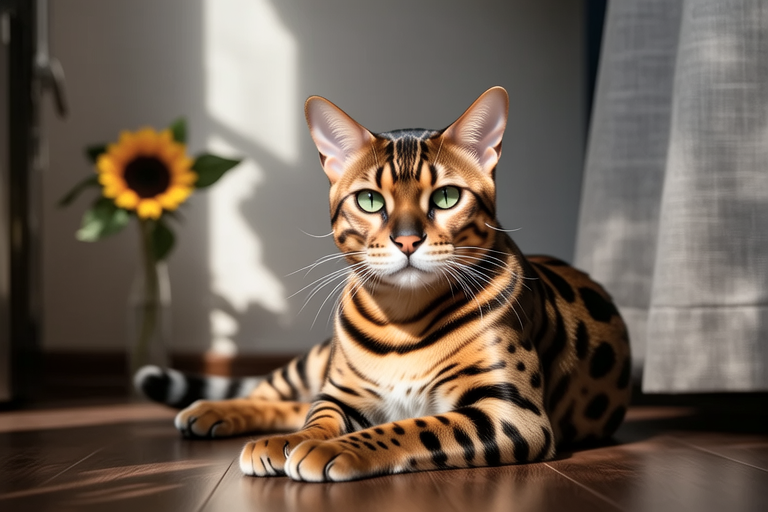
Unleashing the Wild: All You Need to Know About Bengal Cats
Bengal cats have captured the hearts of cat enthusiasts worldwide with their striking resemblance to their wild ancestors. Known for their sleek, spotted coats and an aura of untamed grace, these felines have become one of the most popular breeds among cat lovers. Their unique appearance, combined with their playful and affectionate personalities, makes them a captivating choice for those seeking a companion that combines the charm of domestic cats with the allure of the wild. In this comprehensive guide, we will delve into the origins, physical attributes, temperament, care requirements, and considerations for prospective Bengal cat owners.
The Origins of Bengal Cats
The story of the Bengal cat begins in the mid-20th century when dedicated breeders sought to create a domestic cat with the exotic look of a wild feline. The journey began with the crossbreeding of domestic cats and Asian leopard cats (ALCs), a small wild cat native to parts of Asia. This breeding process was carefully managed to ensure the resulting offspring retained the desirable traits of both parents. Over several generations, breeders worked diligently to enhance the beauty and temperament of the Bengal cat, leading to the distinct breed we know today.
The early breeding programs faced significant challenges, primarily due to the difficulty in getting ALCs to mate with domestic cats. However, with perseverance and advancements in breeding techniques, breeders successfully created a line of cats that exhibited the stunning coat patterns and wild looks of their wild ancestors while maintaining the gentle and loving nature of domestic cats.
Physical Characteristics
Bengal cats are renowned for their striking physical appearance. Their coats are often compared to those of leopards, featuring large, irregular spots or marbling that can be vividly colored in shades of brown, black, or even silver. These markings can vary from solid spots to rosettes, giving each Bengal a unique and captivating look. The coat’s texture is another remarkable feature; it feels soft and plush, often described as similar to velveteen, adding to their overall appeal.
Eye color is another distinguishing characteristic of Bengal cats. They typically have almond-shaped eyes that can range from green to gold, further enhancing their wild appearance. Some Bengals may also have blue eyes, which are particularly striking against their dark fur. The combination of these eye colors with their spotted coats creates a mesmerizing effect, making them stand out in any setting.
Temperament
Beyond their physical beauty, Bengal cats are celebrated for their engaging and affectionate personalities. These cats are known for their high energy levels and love for play. They are curious by nature and enjoy exploring their surroundings, making them ideal companions for active households. Their playful nature extends to their interactions with humans, as they often engage in games and enjoy being the center of attention.
Bengals are highly social animals and thrive on human interaction. They tend to form strong bonds with their owners, seeking affection and companionship throughout the day. Despite their wild appearance, they are generally gentle and patient, making them excellent pets for families with children. Their intelligence also contributes to their adaptability, allowing them to quickly learn commands and tricks, further strengthening their bond with their owners.
Care Tips
Diet
Feeding a Bengal cat requires careful consideration of their dietary needs. These cats have a higher metabolism compared to many other breeds, which means they require more calories to maintain their energy levels. It’s important to provide them with a balanced diet that includes high-quality protein, essential fatty acids, and vitamins. Wet food is often recommended as it contains more moisture than dry food, which can help prevent dehydration, especially if the cat does not drink enough water.
In addition to commercial cat food, some owners choose to supplement their Bengal’s diet with raw meat or cooked fish. However, it’s crucial to consult with a veterinarian before introducing any new foods to ensure the cat’s nutritional balance remains intact. Regular feeding schedules and portion control are also important to maintain a healthy weight.
Grooming
Bengal cats are known for their self-grooming habits, but regular brushing is still necessary to keep their coats shiny and free from tangles. Due to their dense, short fur, daily brushing can help remove loose hair and distribute natural oils throughout the coat. Additionally, grooming sessions provide an opportunity for bonding and can help reduce stress in the cat.
While Bengal cats rarely need baths, occasional cleaning may be necessary, especially if the cat has been outdoors or has come into contact with something unsanitary. Using a mild, pH-balanced shampoo designed for cats is recommended to avoid skin irritation.
Exercise Needs
Bengal cats are naturally active and require ample opportunities for exercise to stay healthy and happy. Providing them with toys that stimulate their hunting instincts, such as feather wands or laser pointers, can help channel their energy in productive ways. Interactive playtime with their owners is also beneficial, as it strengthens the bond and keeps the cat mentally engaged.
In addition to play, providing climbing structures and scratching posts can offer Bengal cats the vertical space they enjoy. This not only satisfies their need for height but also helps maintain their claws in good condition. Ensuring a safe and stimulating environment for your Bengal cat is key to meeting their exercise needs.
Health Concerns
While Bengal cats are generally healthy, they are susceptible to certain genetic conditions. One of the most common issues is Hypertrophic Cardiomyopathy (HCM), a heart disease that can affect cats of various breeds. Regular veterinary check-ups, including heart screenings, can help detect HCM early and manage its progression.
Another concern specific to Bengal cats is Patellar Luxation, a condition where the kneecap slips out of place. This can cause discomfort and mobility issues. Early intervention and management are crucial in minimizing the impact of this condition.
Regular vaccinations, deworming, and dental care are also important aspects of maintaining a Bengal cat’s health. Routine vet visits allow for early detection of potential health problems and timely treatment, ensuring a longer, healthier life for your pet.
Choosing a Bengal Cat as a Pet
For those considering a Bengal cat as a pet, there are several factors to consider. First and foremost, it’s important to recognize the level of commitment involved in caring for a Bengal cat. These cats require a lot of attention and stimulation, so potential owners should ensure they have the time and resources to meet their needs. Living in a home with limited space may not be ideal, as Bengals thrive in environments that offer plenty of room to explore and play.
Prospective owners should also research reputable breeders to find a healthy and well-socialized kitten. Meeting the parents of the kitten can give insight into the cat’s temperament and potential health issues. Once you bring your Bengal cat home, patience and consistency in training and socialization are key to fostering a positive relationship.
Finally, it’s essential to understand that Bengal cats, despite their wild appearance, are domesticated animals. They rely on their owners for care, companionship, and guidance. With proper attention and love, Bengal cats can become cherished members of the family, offering years of joy and companionship.
