Orange Cats and Their Unique Charm: What You Need to Know
Introduction
Orange cats have long been adored by cat enthusiasts and casual pet lovers alike for their striking appearance and warm, friendly demeanor. With their vibrant coats that range from a soft apricot to a deep copper, orange cats are unmistakable and often stand out in a crowd. Their distinct coloring not only makes them visually appealing but also gives them a unique charm that many find irresistible. In this article, we will explore the fascinating world of orange cats, delving into their physical attributes, personalities, health concerns, and what it takes to provide them with the best possible care.
The Popularity and Distinct Appearance of Orange Cats
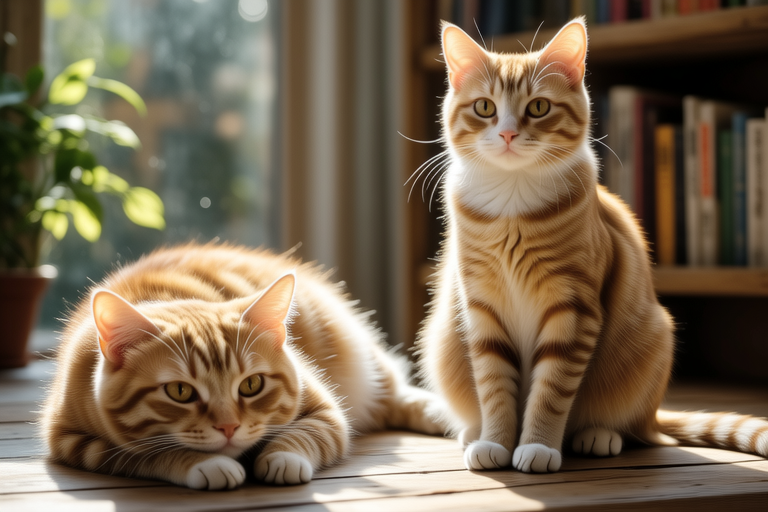
Orange cats, also known as ginger or marmalade cats, have captured the hearts of many due to their striking appearance. The coloration of orange cats is caused by a genetic mutation that results in the production of red pigment in their fur, rather than black. This mutation is linked to the X chromosome, which explains why orange cats are more commonly male, as males have one X and one Y chromosome, while females have two X chromosomes, making it less likely for both to carry the gene. However, female orange cats can occur if they inherit two X chromosomes carrying the orange gene.
Orange cats come in various breeds, including domestic shorthairs, domestic longhairs, and purebred breeds like the Maine Coon, Abyssinian, and Bengal. Regardless of breed, orange cats share a distinctive coat that can be solid, tabby, or calico. Their eyes often complement their coats, ranging from green to gold, adding to their striking appearance. Their bright, expressive eyes combined with their vivid coats create a look that is both captivating and endearing.
Common Personality Traits of Orange Cats
Besides their striking appearance, orange cats are renowned for their friendly and social nature. They are generally outgoing, making them excellent companions for families and individuals alike. These cats tend to be quite affectionate, often seeking out human interaction and attention. They enjoy being petted and are known to follow their owners around the house, eager to be involved in daily activities.
Orange cats are also known for their playful and curious nature. They love to explore their surroundings and engage in interactive play, which can include chasing toys, climbing, and pouncing. Their curiosity often leads them to investigate new objects and environments, making them lively and entertaining pets. Additionally, orange cats are generally good with children and other animals, further enhancing their appeal as family pets.
While orange cats are typically friendly and social, each cat has its own unique personality. Some may be more independent, while others may be more clingy. It’s important for potential owners to spend time with their chosen cat to understand its individual temperament and ensure a good match.
Health Predispositions in Orange Cats
Despite their charm and popularity, orange cats are prone to certain health issues that potential owners should be aware of. One of the most notable predispositions is an increased risk of developing diabetes mellitus. This condition is more common in male cats, particularly those who are overweight or obese. Regular veterinary check-ups and a healthy diet can help prevent or manage this condition.
Another health concern for orange cats is hypertrophic cardiomyopathy (HCM), a heart disease characterized by thickening of the heart muscle. While HCM can affect any cat, it is more prevalent in certain breeds, including some orange cats. Early detection through regular veterinary visits and appropriate screening tests can help manage this condition effectively. Owners should be vigilant about any signs of respiratory distress or lethargy, which could indicate heart problems.
Orange cats may also be more susceptible to skin conditions, such as allergies and dermatitis. Regular grooming and maintaining a clean living environment can help reduce the risk of these issues. Additionally, providing a balanced diet rich in essential nutrients can support overall skin health.
Tips for Potential Owners
Providing proper care for an orange cat is crucial to ensuring its well-being and happiness. Here are some essential tips for potential owners:
- Regular Veterinary Care: Schedule routine check-ups with a veterinarian to monitor your cat’s health and address any concerns early. Vaccinations, dental care, and parasite prevention are all vital aspects of maintaining your cat’s health.
- Nutrition: Feed your orange cat a high-quality, balanced diet that meets its nutritional needs. Consult with your veterinarian to determine the appropriate diet based on your cat’s age, weight, and activity level. Avoid overfeeding, especially if your cat is at risk for obesity-related health issues.
- Exercise and Play: Encourage your cat to stay active through play sessions and interactive toys. This helps maintain a healthy weight and provides mental stimulation. Consider setting up climbing structures or tunnels to keep your cat entertained and engaged.
- Grooming: Regular grooming is important for maintaining your cat’s coat and skin health. Brush your cat regularly to remove loose hair and prevent matting. This also provides an opportunity to bond with your cat and check for any signs of skin irritation or parasites.
- Social Interaction: Spend quality time with your cat, offering affection and engaging in activities together. Social interaction is crucial for maintaining your cat’s emotional well-being.
Why Orange Cats Make Wonderful Companions
Orange cats are not just admired for their looks; they are cherished for their unique charm and the joy they bring into people’s lives. Their friendly and social nature makes them excellent companions for families and individuals. Their playful and curious disposition keeps life interesting and entertaining. Moreover, their adaptability and affectionate nature mean they can fit seamlessly into various living situations, whether it’s a bustling household with children or a quiet home shared with another pet.
By understanding and addressing the specific health concerns associated with orange cats, owners can ensure their pets live long, healthy, and happy lives. With proper care and attention, these vibrant felines can become beloved members of any household, bringing warmth, laughter, and companionship to their owners.
In conclusion, orange cats are truly special creatures with a unique charm that sets them apart. Their striking appearance, friendly personalities, and the joy they bring to their owners make them wonderful companions. By learning about their specific health needs and providing them with the care they deserve, owners can ensure that their orange cats lead fulfilling and healthy lives. Whether you’re a seasoned cat owner or considering adopting your first feline friend, an orange cat could be the perfect addition to your family.
