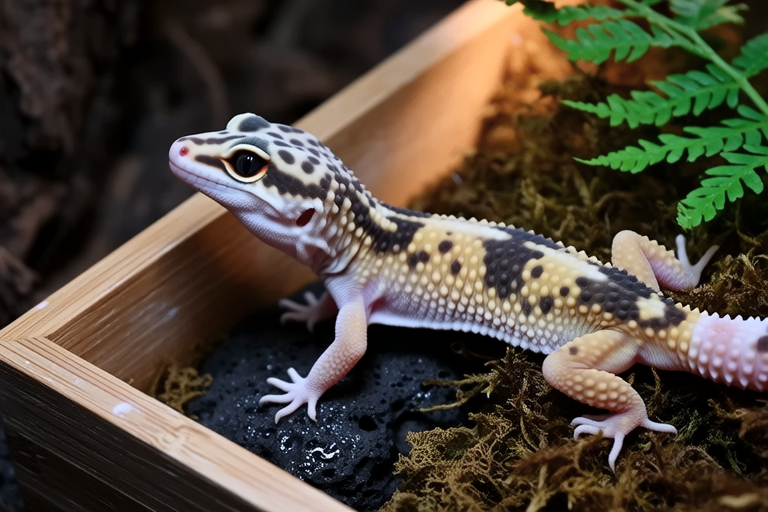
From Pet Store to Pal: How to Successfully Adopt and Care for a Chameleon
Welcome to the fascinating world of chameleons! These captivating reptiles, known for their vibrant colors and unique behaviors, have become increasingly popular among pet enthusiasts. Their ability to change color, their independently rotating eyes, and their prehensile tails make them truly one-of-a-kind pets. However, caring for a chameleon requires dedication and specialized knowledge. This guide will walk you through the process of adopting a chameleon from a pet store and provide essential information on creating a suitable habitat, maintaining a balanced diet, and ensuring your pet’s overall well-being.
Selecting the Right Chameleon
Choosing the right chameleon is crucial for both your pet’s happiness and your success as a responsible owner. When visiting a pet store, look for healthy specimens that exhibit certain key characteristics. Start by considering the species; the two most commonly kept species are the veiled chameleon (Chamaeleo calyptratus) and the panther chameleon (Furcifer pardalis). Each has its own set of requirements and behaviors.
Age is another important factor. Younger chameleons tend to adapt better to new environments, but they require more intensive care. Older chameleons might already be accustomed to their surroundings but may come with existing health issues. It’s best to ask the pet store staff about the chameleon’s history, including any medical treatments it has received.
Health indicators are paramount. A healthy chameleon should have clear, bright eyes, a firm grip on branches, and a full body. Avoid those with runny noses, lethargy, or visible injuries. Additionally, check for signs of parasites or mites, which can be seen as tiny moving spots on the skin or around the eyes.
Setting Up the Ideal Habitat
A properly set up habitat is vital for your chameleon’s health and happiness. The enclosure should mimic their natural environment as closely as possible.
Tank Size: Chameleons need ample space to climb and move around. A minimum of 24 inches in height and width is recommended for a single adult chameleon. Bigger is always better, especially if you plan to house multiple chameleons.
Lighting: Proper lighting is essential for basking and vitamin D3 synthesis. Use UVB bulbs designed specifically for reptiles, and ensure they cover at least 50% of the tank. Position the light so it reaches a basking spot, typically within 6-12 inches of the chameleon. Replace these bulbs every six months, even if they still appear functional.
Temperature and Humidity: Maintain a gradient of temperatures within the tank. One end should be around 75-80°F (24-27°C), while the other should reach 90-95°F (32-35°C) for basking. Use thermometers and hygrometers to monitor these conditions accurately. Humidity should be between 50-70%, which can be achieved through regular misting and the use of waterfalls or drippers.
Decor: Provide plenty of sturdy branches and vines for climbing. Arrange them at different heights to encourage vertical movement. Live plants, such as ficus or pothos, add aesthetic value and offer hiding places. Ensure all items are safe for reptiles and free from pesticides.
Diet and Feeding Habits
Chameleons are insectivores, meaning their diet consists primarily of insects. Variety is key to ensuring a balanced intake of nutrients. Offer a mix of crickets, dubia roaches, waxworms, and silkworms. Dust the insects with calcium and multivitamin powders before feeding to prevent deficiencies.
Feeding frequency depends on the chameleon’s age. Juveniles may need to eat daily, while adults can be fed every other day. Always remove uneaten food after a few hours to maintain cleanliness and avoid attracting pests.
Common Health Issues and Signs of Illness
Despite your best efforts, chameleons can fall ill. Familiarize yourself with common ailments and their symptoms:
- Mouth Rot: Characterized by redness, swelling, and discharge around the mouth. Prompt veterinary care is necessary.
- Mouth Abscesses: Similar to mouth rot, these are painful infections that require antibiotics.
- Metabolic Bone Disease: Caused by calcium deficiency, leading to soft bones and fractures. Corrective measures include dietary adjustments and increased UVB exposure.
- Respiratory Infections: Symptoms include wheezing, nasal discharge, and lethargy. Keep the enclosure clean and consult a vet immediately.
Regular health checks and prompt treatment can prevent many issues from escalating.
Handling and Socialization
Chameleons are solitary creatures by nature and do not enjoy being handled frequently. However, gentle interactions can strengthen your bond. Handle your chameleon only when necessary, and always support its body fully. Place your hand under its belly and gently lift it. Avoid sudden movements and loud noises that could startle it.
Gradually introduce socialization by speaking softly and allowing it to get used to your presence. Never force interaction, as this can lead to stress and aggression.
Long-Term Care and Commitment
Owning a chameleon is a long-term commitment that requires ongoing attention and resources. Regular maintenance of the habitat, monitoring health, and providing a varied diet are just some aspects of responsible ownership. Be prepared for the financial investment, including the initial setup costs and ongoing expenses for food, lighting, and veterinary care.
Patience and dedication are key. With proper care, your chameleon can live a long and healthy life, providing you with years of enjoyment and companionship.
In conclusion, adopting a chameleon from a pet store is an exciting step into the realm of exotic pet keeping. By following the guidelines provided in this article, you can ensure your new friend thrives in its new home. Remember, the joy of owning a chameleon lies not only in its beauty but also in the responsibility of caring for it properly. Happy chameleon parenting!
