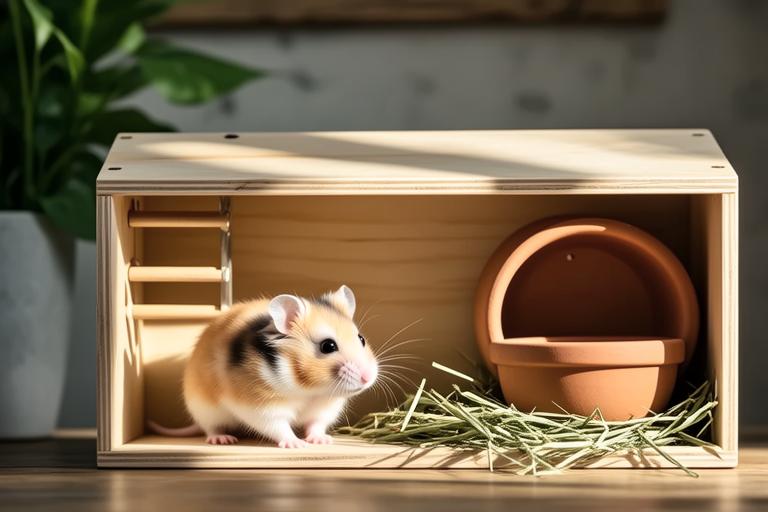
Hamster Habitat Hacks: Transform Your Pet’s Living Space
Welcome, fellow hamster enthusiasts! Whether you’re a seasoned hamster owner or just starting out, creating a comfortable and enriching habitat for your little furry friend is crucial. In this article, we’ll explore some innovative and practical ways to enhance your hamster’s living space. From understanding the essential components of a hamster habitat to crafting DIY enrichment ideas, we’ll cover everything you need to know to ensure your pet is healthy, happy, and thriving.
Essential Habitat Components
Before diving into the creative aspects of hamster habitat design, it’s important to establish a solid foundation. Every hamster needs a few key elements in their home:
- Proper Housing: Choose a spacious cage with multiple levels if possible. A wheel is essential for exercise, but ensure it’s safe and free from sharp edges. Avoid wire-bottom cages, as they can cause foot injuries.
- Bedding: Provide soft bedding like shredded paper, recycled paper pellets, or wood shavings. Ensure that the bedding is safe and non-toxic.
- Food and Water Dispensers: Install easy-to-clean food and water dispensers. Automatic feeders and water bottles are great options.
- Toys and Chew Toys: Hamsters need mental stimulation and physical activity. Offer toys that encourage chewing, climbing, and exploring.
DIY Enrichment Ideas Using Household Items
Transforming your hamster’s living space doesn’t have to break the bank. With a bit of creativity and some common household items, you can create a stimulating and fun environment for your pet.
1. Tunnel System
Hamsters love to burrow and explore. Create a tunnel system using toilet paper rolls or small cardboard tubes. Connect them at various angles to make a maze for your hamster to navigate. This will provide hours of entertainment and exercise.
2. DIY Exercise Wheel
If you’re handy with tools, consider building a custom exercise wheel. Use PVC pipes and secure them with brackets to create a safe and sturdy wheel. Make sure the diameter is appropriate for your hamster’s size to prevent injury.
3. Cardboard Castle
Hamsters enjoy having cozy hideouts. Construct a castle out of cardboard boxes, cut windows and doors, and add soft bedding inside. This provides a secure space where your hamster can rest and feel protected.
4. Puzzle Feeder
Create a puzzle feeder by drilling holes in a small plastic container and filling it with treats. Your hamster will need to work to retrieve the treats, providing both mental and physical stimulation.
Tips for Ensuring Safety and Comfort
While enhancing your hamster’s habitat is exciting, it’s important to prioritize their safety and comfort. Here are some tips to keep in mind:
- Avoid Toxic Materials: Be cautious about the materials you introduce into your hamster’s habitat. Some plants and household items can be toxic to hamsters. Always research before adding anything new.
- Keep It Clean: Regular cleaning of the habitat is vital for your hamster’s health. Remove soiled bedding daily and clean the entire habitat weekly.
- Monitor Temperature: Hamsters prefer cooler temperatures. Keep their habitat away from direct sunlight and heat sources to prevent overheating.
- Supervise Introductions: If introducing new toys or objects, supervise your hamster initially to ensure they are safe and suitable.
Common Mistakes to Avoid
Even the most dedicated hamster owners can make mistakes when setting up or maintaining their pet’s habitat. Here are some common pitfalls to watch out for:
- Overcrowding: Avoid overcrowding the cage with too many toys and accessories. Leave enough space for your hamster to move around freely.
- Inadequate Ventilation: Ensure there is proper ventilation in the cage to prevent respiratory issues.
- Poor Bedding Choice: Avoid cedar and pine shavings, as they can be harmful to hamsters. Opt for safer alternatives like paper-based bedding.
- Lack of Exercise: Don’t neglect your hamster’s need for exercise. Provide ample opportunities for physical activity to maintain their health.
The Benefits of a Well-Designed Habitat for the Hamster’s Health and Happiness
A well-designed habitat goes beyond aesthetics; it significantly impacts your hamster’s overall health and happiness. Here are some key benefits:
- Physical Health: A stimulating environment encourages physical activity, which is essential for maintaining muscle tone and preventing obesity.
- Mental Stimulation: Providing toys and puzzles helps keep your hamster mentally engaged, reducing boredom and potential behavioral issues.
- Stress Reduction: A comfortable and enriching habitat can help reduce stress and anxiety in your hamster, leading to better overall well-being.
- Longevity: By promoting a healthy lifestyle through proper habitat design, you can extend your hamster’s lifespan and improve their quality of life.
Creating a top-notch habitat for your hamster requires attention to detail and a willingness to experiment with different setups. By incorporating these tips and ideas, you’ll be well on your way to providing your pet with a stimulating and enjoyable living space. Remember, a happy hamster is a healthy hamster, and a well-designed habitat plays a crucial role in achieving that goal.
Happy hamster keeping!
