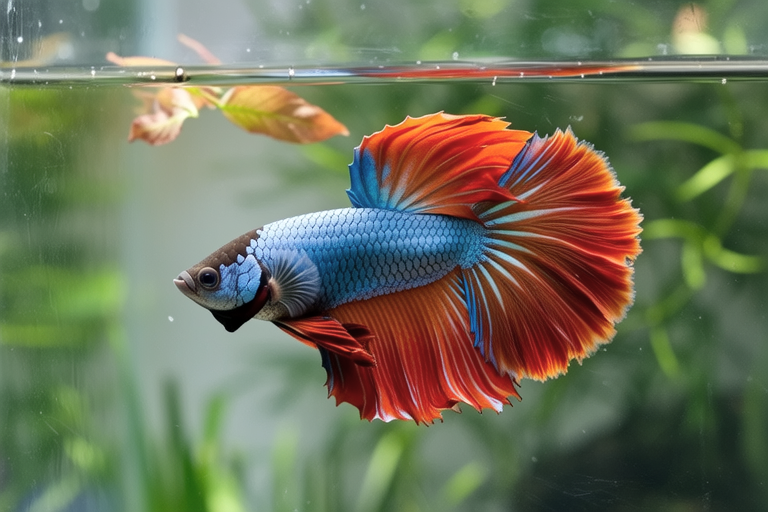
Revolutionizing Betta Care: Expert Tips for Keeping Your Betta Healthy and Happy
Welcome to the fascinating world of betta fish! These colorful, vibrant creatures have captivated aquarium enthusiasts for centuries. Bettas, also known as Siamese fighting fish, are not only beautiful but also come with unique needs that require careful attention. Proper care ensures that your betta thrives in its environment, displaying its full potential in terms of color and behavior. In this guide, we’ll delve into expert tips that will help you provide the best possible care for your betta, ensuring it remains healthy and happy.
The Unique Needs of Betta Fish
Bettas are often misunderstood, partly due to their popularity as pets sold in small containers. They are, however, complex creatures with specific requirements. Native to the shallow waters of Thailand, these fish have adapted to live in environments with fluctuating oxygen levels. This adaptation means they can breathe air directly from the surface through a specialized organ called the labyrinth. Despite this ability, they still need well-oxygenated water to thrive.
Another misconception is that bettas can live in small spaces. While they are resilient, they benefit greatly from larger tanks that allow them to swim freely and reduce stress. A spacious environment also helps in maintaining water quality, which is crucial for their overall health. Understanding and addressing these unique needs is the first step toward becoming a responsible betta owner.
Optimal Tank Setup
Setting up the perfect tank for your betta is essential. The ideal size for a single betta is at least five gallons, providing ample space for swimming and reducing stress. Smaller tanks can lead to poor water conditions, which can harm your fish. A larger tank also allows for more efficient filtration, which is vital for maintaining water quality.
Choose a tank with a lid or cover to prevent your betta from jumping out, as they are known to be curious and active swimmers. Place the tank in a stable location away from direct sunlight and drafts, which can cause temperature fluctuations. Stability in the environment contributes to the well-being of your betta.
In terms of decoration, consider adding plants, caves, and other hiding spots. These not only make the tank visually appealing but also provide your betta with places to rest and feel secure. Live plants are preferable as they help maintain water quality by absorbing nitrates and producing oxygen. However, ensure that any plant or decoration does not have sharp edges that could injure your fish.
Water Quality Maintenance
Maintaining excellent water quality is paramount for the health of your betta. Poor water conditions can lead to stress, disease, and even death. Regular water changes are necessary to remove harmful substances like ammonia, nitrites, and nitrates. Aim to change about 25% of the water weekly, ensuring that the new water matches the temperature and pH level of the existing water to avoid shocking your fish.
Invest in a good filter to keep the water clean and oxygen-rich. Filters should be chosen based on the size of the tank and the number of fish. For bettas, a gentle filter is recommended to avoid strong currents that might stress them. Additionally, consider using a heater to maintain a consistent temperature between 76°F and 82°F (24°C and 28°C), as bettas prefer warm water.
Test kits are invaluable tools for monitoring water parameters such as pH, ammonia, nitrite, and nitrate levels. Regular testing ensures that any issues are caught early, allowing for prompt corrective action. By keeping these factors in check, you’re creating an environment where your betta can flourish.
Suitable Diet
Feeding your betta a balanced diet is key to its health. Bettas are carnivorous and thrive on protein-rich foods. High-quality betta pellets or flakes are excellent staple foods, providing essential nutrients. Supplement their diet with occasional treats like frozen bloodworms, brine shrimp, or daphnia. These treats mimic the natural prey that bettas would find in the wild, enhancing their nutritional intake.
It’s important not to overfeed your betta. Excess food can degrade water quality and lead to digestive problems. Feed your betta small portions two to three times a day, ensuring that all the food is consumed within a few minutes. If uneaten food is observed, remove it promptly to maintain water cleanliness.
Varying the diet also promotes better health and coloration. Incorporating different types of food can stimulate appetite and ensure a broad spectrum of nutrients. This variety helps prevent boredom and keeps your betta interested in feeding times, contributing to its overall happiness.
Appropriate Tank Mates
Choosing the right tank mates for your betta is critical. Bettas are generally solitary and territorial, especially males. Introducing another male betta is likely to result in aggressive behavior and fights. Females can sometimes coexist peacefully, but this depends on the individual fish and the tank’s size. It’s safer to keep females in groups known as sororities, ensuring there are enough hiding spots and territories for each fish.
For non-betta companions, opt for peaceful species that won’t compete for food or space. Good choices include ghost shrimp, cherry shrimp, and certain types of snails. These creatures are typically too small to pose a threat to bettas and can even help keep the tank clean by eating algae and leftover food. Avoid fast-swimming or aggressive fish, as they may stress your betta or vice versa.
When introducing new fish, always quarantine them first to prevent the spread of diseases. Gradually acclimate them to the tank’s water conditions before fully integrating them. This process minimizes stress and gives your betta time to adjust to the new additions.
Common Health Issues and Prevention Tips
Despite your best efforts, bettas may still encounter health issues. Recognizing symptoms early and taking swift action can prevent minor problems from escalating into serious illnesses. Some common health issues include fin rot, ich, and swim bladder disorders.
Fin rot is characterized by frayed or discolored fins. It’s often caused by poor water quality or bacterial infections. Maintaining pristine water conditions and regularly cleaning the tank can prevent this condition. If signs of fin rot appear, treat the tank with antibiotics and improve water quality.
Ich, or white spot disease, manifests as tiny white spots on the fish’s body. This parasitic infection can be treated with medications specifically designed for ich. Prevention involves maintaining stable water temperatures and avoiding sudden changes that could stress your betta.
Swim bladder disorders affect the fish’s buoyancy, causing it to float, sink, or swim sideways. Dietary issues, constipation, or physical injuries can trigger this problem. Feeding your betta a varied diet rich in fiber and ensuring it doesn’t overeat can help prevent swim bladder issues. If symptoms persist, consult a veterinarian specializing in fish for further advice.
Bonding with Your Betta
One of the joys of owning a betta is forming a bond with it. Bettas are intelligent and can recognize their owners, responding positively to regular interaction. Spend time near the tank daily, talking softly or gently tapping the glass. Over time, your betta may start to anticipate your presence and respond with excited swimming.
Feeding sessions offer another opportunity for bonding. Watch your betta’s feeding behavior and notice how it reacts to different foods. This not only strengthens your relationship but also allows you to monitor its health closely. Observing your betta’s behavior and habits can give you insights into its well-being and preferences.
The Joy of Betta Fish Ownership
Owning a betta fish is a rewarding experience filled with beauty and responsibility. By providing a well-maintained environment, a nutritious diet, and companionship, you ensure that your betta lives a long, healthy, and joyful life. The vibrant colors, graceful movements, and unique personalities of bettas bring endless fascination and delight to their owners.
As you embark on this journey, remember that being a responsible pet owner means continuously learning and adapting to the needs of your betta. With dedication and care, you’ll enjoy many years of companionship with your colorful friend. Welcome to the wonderful world of betta fish ownership!
