Betta Fish Care: Expert Tips for a Long-Lasting Friendship
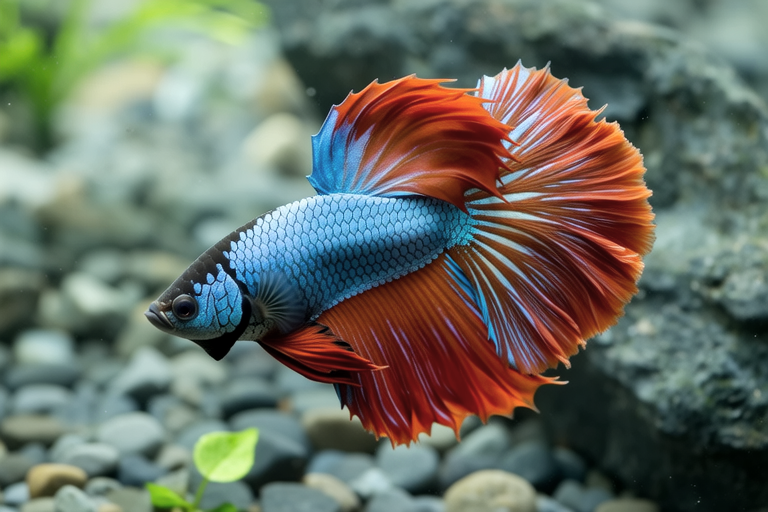
Welcome to the fascinating world of Betta fish care! These vibrant, colorful creatures have captivated the hearts of many pet owners. Known for their flowing fins and striking colors, Betta fish are among the most popular aquarium pets. Their unique personalities and ease of care make them ideal for beginners and seasoned aquarists alike. However, while they may be small, they require specific attention to thrive. This guide will provide you with expert tips to ensure your Betta fish lives a long, healthy, and happy life.
Proper Tank Setup
The first step in Betta fish care is setting up a suitable habitat. While Bettas can survive in small containers, providing them with a spacious tank enhances their well-being. A minimum tank size of 5 gallons is recommended for a single Betta fish. Larger tanks allow for more water, which is crucial for maintaining stable water conditions.
Choose a tank with a filter that supports biological filtration. This helps maintain water quality by breaking down harmful ammonia and nitrites. Additionally, include a heater to keep the water temperature between 76-82°F (24-28°C). Bettas are tropical fish and thrive in warm water.
Decorate the tank with plants and hiding spots. Real or artificial plants offer places for your Betta to explore and rest. Floating plants are particularly beneficial as they mimic natural environments and provide shade. Ensure decorations have smooth edges to prevent fin damage.
Water Quality Maintenance
Maintaining clean water is essential for Betta fish health. Regular water changes are necessary to remove waste and toxins. Change 25-30% of the water weekly, ensuring you treat tap water with a dechlorinator before adding it to the tank. This removes chlorine and chloramines, which are harmful to fish.
Monitor water parameters closely. Use test kits to check for pH levels, ammonia, nitrite, and nitrate. Aim for a pH range of 6.5-7.5, with no detectable ammonia or nitrite. Nitrate levels should be kept below 20 ppm. Regular testing ensures your Betta’s environment remains safe and comfortable.
Suitable Tank Mates
Bettas are often sold as “solitary” fish, but this doesn’t mean they cannot coexist with other species. When choosing tank mates, consider peaceful community fish that share similar water requirements. Good companions include cherry shrimp, snails, and certain types of small tetras. Avoid aggressive or fin-nipping fish like tiger barbs or danios.
It’s important to note that male Bettas are territorial and may fight if housed together. Female Bettas can be kept together in a group called a sorority, provided they have ample space and hiding spots. Always introduce new fish gradually and observe their interactions to ensure compatibility.
Diet and Feeding
A balanced diet is crucial for your Betta’s health. Provide a variety of foods to ensure they receive all necessary nutrients. High-quality flake or pellet food forms the base of their diet. Supplement with live or frozen foods such as bloodworms, brine shrimp, and daphnia. These treats add variety and stimulate natural feeding behaviors.
Feed your Betta fish two to three times daily, offering only what they can consume within a couple of minutes. Overfeeding leads to poor water quality and potential health issues. Monitor their eating habits and adjust portion sizes accordingly.
Regular Health Checks
Observing your Betta fish regularly allows you to catch potential health issues early. Look for signs of illness such as lethargy, loss of appetite, clamped fins, or unusual spots or growths. Any deviation from normal behavior warrants investigation.
Keep a close eye on water quality, as poor conditions often precede health problems. If you notice any signs of distress, conduct a thorough water change and review your tank setup. In some cases, consulting a veterinarian specializing in aquatic animals may be necessary.
Common Mistakes to Avoid
Several common pitfalls can compromise your Betta’s health. One frequent mistake is keeping them in overcrowded or under-sized tanks. Another is neglecting water quality. Failure to perform regular water changes or ignoring test results can lead to dangerous ammonia spikes.
Overfeeding is also problematic. Excess food decomposes in the tank, increasing waste and reducing oxygen levels. Finally, placing incompatible tank mates with your Betta can result in stress and aggression. Always research potential companions thoroughly.
Building a Bond with Your Betta Fish
While Betta fish may not respond to commands like dogs or cats, they can form strong bonds with their owners. Spend time near their tank each day, talking softly or gently tapping on the glass. Some Bettas even learn to recognize their caretakers and respond to routine feedings.
Respect your Betta’s boundaries by avoiding excessive handling. Instead, engage with them through interactive toys or floating objects. Watching your Betta swim and explore its environment can be incredibly rewarding. Remember, owning a pet involves responsibility. Provide your Betta with a stimulating, clean environment and regular care to ensure a long-lasting friendship.
In conclusion, caring for a Betta fish is a rewarding experience. By setting up a proper tank, maintaining water quality, choosing compatible tank mates, providing a balanced diet, and conducting regular health checks, you can ensure your Betta thrives. Avoid common mistakes and build a strong bond with your pet. With patience and dedication, you’ll enjoy years of companionship with your vibrant Betta fish.
