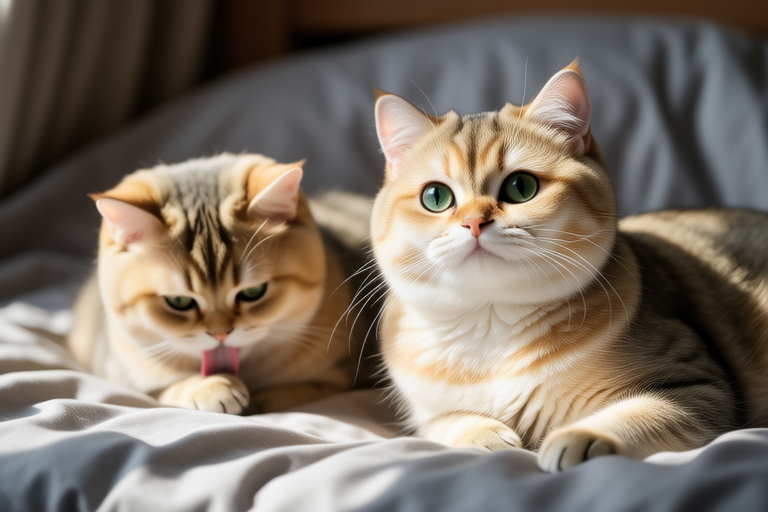
Golden British Shorthair Cats: A Comprehensive Guide
The Golden British Shorthair cat is a breed known for its striking golden coat and gentle demeanor. This article delves into the unique characteristics of this breed, focusing on genetic factors, care routines, grooming practices, dietary needs, and personality traits. It also provides insights into their origins and compares them with other British Shorthair color variations.
Genetic Factors and Coat Health
The Golden British Shorthair’s coat is one of its most distinctive features. The golden hue is determined by specific genetic markers that influence the pigmentation of their fur. These genetic factors contribute to the lustrous appearance of their coats, which are dense, plush, and water-resistant. The golden color ranges from light cream to rich amber, depending on the individual cat’s genetics.
Maintaining the health of the Golden British Shorthair’s coat requires regular grooming. Daily brushing helps remove loose hairs, prevent matting, and distribute natural oils throughout the fur. Using a soft-bristled brush or a rubber grooming mitt is recommended. During shedding seasons, which typically occur twice a year, more frequent brushing may be necessary to manage excess hair.
Grooming Practices
In addition to brushing, bathing is essential to keep the Golden British Shorthair’s coat in top condition. However, over-bathing can strip the coat of its natural oils, leading to dryness and dullness. Therefore, it is advisable to bathe the cat only when necessary, using a mild, pH-balanced shampoo specifically formulated for cats. After bathing, thoroughly rinse the coat to remove any residue and gently towel-dry the cat before allowing it to air-dry.
Nail trimming is another important aspect of grooming. Regular nail maintenance prevents overgrown nails, which can cause discomfort and affect the cat’s gait. Use sharp, rounded clippers designed for cats, and trim only the tips of the nails to avoid cutting into the quick, which can cause bleeding and pain. If unsure about nail trimming, consult a veterinarian or professional groomer for guidance.
Origins and Personality Traits
The Golden British Shorthair’s gentle and affectionate nature can be traced back to their origins. Historically, these cats were bred for companionship and have been selectively bred for generations to enhance their calm and friendly disposition. Early socialization plays a crucial role in shaping their personalities. Kittens that are exposed to various stimuli, such as different environments, people, and other animals, tend to develop well-rounded temperaments.
Golden British Shorthairs are known for their loyalty and bond with their human families. They often seek out companionship and enjoy being involved in family activities. Their calm demeanor makes them excellent pets for households with children or other pets. However, they still require attention and interaction to thrive, so it is important to provide them with mental stimulation through play and engagement.
Dietary Needs and Nutritional Impact
A balanced diet is essential for maintaining the Golden British Shorthair’s coat quality and overall health. High-quality commercial cat foods that meet the nutritional requirements of adult cats are generally sufficient. However, some owners prefer to supplement their cat’s diet with additional nutrients to promote coat health. Omega-3 fatty acids, found in fish oil supplements, can help improve skin health and enhance the shine of the coat.
Vitamin E and biotin are also beneficial for skin and coat health. Including small amounts of these nutrients in the cat’s diet can support healthy hair growth and reduce the risk of skin issues. It is important to consult with a veterinarian before introducing any new supplements to ensure they are safe and appropriate for the cat.
Comparison with Other Color Variations
While all British Shorthair cats share similar physical traits, each color variation has its own unique charm. Golden British Shorthairs stand out for their warm, inviting appearance, which sets them apart from other color variations. Their golden coats are often associated with warmth and comfort, making them particularly appealing to cat lovers.
Other popular color variations include black, blue, white, and silver. Each color variation has its own set of genetic factors that influence coat texture and pigmentation. For instance, black British Shorthairs have a dense, glossy coat, while silver British Shorthairs have a sleek, reflective fur. Comparatively, the golden coat of the Golden British Shorthair is softer and more plush, giving it a distinct feel.
Tips for Potential Owners
Potential owners of Golden British Shorthair cats should consider several factors when preparing to welcome a new pet into their home. First, it is important to provide a safe and comfortable living environment. Ensure that the home is cat-proofed, with secure windows and doors, and that there are plenty of hiding spots and perches for the cat to explore.
Second, invest in high-quality cat furniture, such as scratching posts and beds, to provide the cat with opportunities for exercise and relaxation. Third, establish a routine for feeding, grooming, and playtime to create a sense of structure and predictability for the cat. Finally, consider enrolling in a cat behavior class or consulting with a professional trainer to learn effective training techniques and address any behavioral concerns.
Conclusion
The Golden British Shorthair is a remarkable breed with a unique combination of genetic factors, grooming practices, dietary needs, and personality traits. By understanding and addressing these aspects, potential owners can provide optimal care for their Golden British Shorthair and help them maintain their charming characteristics. With proper attention and care, these cats can bring years of joy and companionship to their human families.
