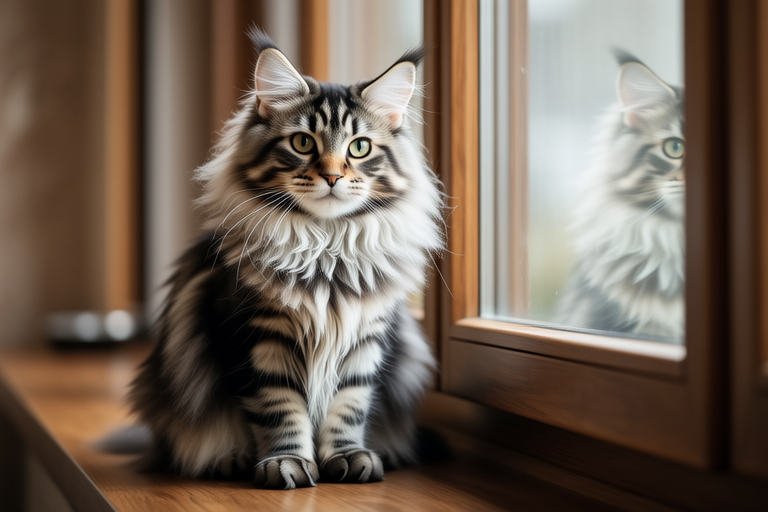
Unraveling the Mystery of the Largest Domestic Cat Breed: Maine Coon
The Maine Coon is often referred to as the largest domestic cat breed, and it’s easy to see why. With their robust build, thick fur, and friendly demeanor, these majestic creatures have captured the hearts of cat lovers worldwide. This article delves into the origins, physical characteristics, temperament, health concerns, grooming needs, and myths surrounding the Maine Coon, providing you with a comprehensive understanding of this fascinating feline.
Origins and History
The exact origins of the Maine Coon remain shrouded in mystery, contributing to its allure. One popular legend suggests that the breed descended from longhaired cats brought to America by Marie Antoinette during her escape from France. While this tale adds a touch of romance to the breed’s history, there is no concrete evidence to support it. Another theory posits that the Maine Coon originated from matings between semi-feral domestic cats and raccoons, which, despite its popularity, lacks biological plausibility. The most widely accepted explanation is that the breed developed naturally in New England, where they were prized for their hunting skills and adaptability to harsh climates.
Maine Coons were first recognized in cat shows during the late 1800s and were highly sought after for their striking appearance and gentle nature. However, by the early 20th century, the breed nearly disappeared due to the rise in popularity of Persian cats. Fortunately, dedicated breeders worked tirelessly to revive the Maine Coon, and today, it enjoys widespread admiration and recognition as one of the oldest natural breeds in North America.
Physical Characteristics
One of the most distinctive features of the Maine Coon is its size. Males can weigh between 13 to 18 pounds, while females typically range from 9 to 12 pounds. Their large frame is complemented by a broad chest, strong legs, and a bushy tail that can be as long as the cat itself. These cats have a sturdy build, making them appear even larger than their actual weight.
Their coat is another defining characteristic. Maine Coons possess a water-repellent, semi-longhair coat that is dense and shaggy. This thick fur provides excellent insulation against cold weather, a crucial adaptation for a breed that originated in a region known for its frigid winters. The coat comes in a variety of colors and patterns, including tabby, tortoiseshell, and solid colors. The most common color is brown tabby, often referred to as “mackerel” or “classic” tabby.
Another notable feature is their tufted ears and paws. The long hairs growing inside the ear give them a lynx-like appearance, adding to their wild charm. Their paws are also heavily furred, which helps them walk on snow without sinking.
Temperament and Interaction with Humans
Maine Coons are renowned for their friendly and sociable nature. They are generally affectionate towards their owners and enjoy being around people. Despite their size, they are surprisingly agile and playful, often engaging in activities such as fetch or chasing toys. Their intelligence makes them quick learners, and they can even be trained to walk on a leash or perform simple tricks.
These cats are known for their dog-like loyalty and are often described as “gentle giants.” They are patient and gentle with children and other pets, making them excellent family companions. Maine Coons are not overly demanding of attention but appreciate regular interaction with their human family members. They tend to follow their owners around the house, often curling up next to them for naps or simply lounging nearby.
Common Health Issues
While Maine Coons are generally healthy, like all breeds, they are susceptible to certain genetic disorders. One of the most significant health concerns is hypertrophic cardiomyopathy (HCM), a condition that affects the heart muscle and can lead to heart failure. Regular veterinary check-ups, including echocardiograms, are essential for early detection and management of this condition.
Another common issue is hip dysplasia, a degenerative joint disease that can cause pain and mobility problems. Maintaining a healthy weight and providing appropriate exercise can help manage symptoms. Polycystic kidney disease (PKD) is also prevalent in the breed, characterized by the formation of cysts in the kidneys. Early screening tests can identify affected cats, allowing for timely intervention.
Regular visits to the veterinarian, a balanced diet, and proper exercise can significantly enhance the longevity and quality of life for Maine Coons. It’s important for potential owners to research and choose reputable breeders who prioritize the health and well-being of their cats.
Grooming Needs
Despite their thick coats, Maine Coons are relatively low-maintenance when it comes to grooming. Their self-cleaning nature means they spend a considerable amount of time grooming themselves, which helps keep their coat in good condition. However, regular brushing is still necessary to prevent matting and remove loose hair, especially during shedding seasons.
A weekly brushing session is recommended to keep their coat smooth and free of knots. Using a slicker brush or a comb designed for long-haired cats can be effective. During periods of heavy shedding, daily brushing may be necessary to minimize hair around the house. Additionally, occasional baths can help maintain their hygiene, although many Maine Coons dislike water and may require patience and positive reinforcement during bath time.
Trimming their nails every few weeks and cleaning their ears with a cotton ball dipped in a gentle ear cleaner can further contribute to their overall health and comfort. Regular dental care, including brushing their teeth and providing chew toys, is also essential for maintaining oral health.
Myths Surrounding the Maine Coon
Over the years, several myths have circulated about the Maine Coon, some of which have persisted due to their unique appearance and historical ambiguity. One of the most enduring myths is that Maine Coons are part raccoon. While this idea has been debunked scientifically, it persists due to the breed’s distinctive tufted ears and bushy tails. Another myth suggests that they are nocturnal hunters, leading some to believe they are more active at night. In reality, Maine Coons are primarily crepuscular, meaning they are most active during dawn and dusk.
Some people believe that Maine Coons require less care and maintenance compared to other breeds due to their self-grooming habits. While they are indeed self-sufficient to a degree, regular grooming and veterinary care are still necessary to ensure their health and happiness. Finally, the notion that Maine Coons are aggressive or unsuitable for families with children is entirely unfounded. Their gentle and affectionate nature makes them ideal companions for households with children and other pets.
Conclusion
The Maine Coon is a breed that captivates with its majestic appearance, friendly disposition, and rich history. From their origins in New England to their current status as one of the most beloved cat breeds, Maine Coons have earned their place in the hearts of cat enthusiasts worldwide. Understanding their unique physical characteristics, temperament, health concerns, and grooming needs can help potential owners provide the best possible care for these remarkable felines.
Whether you’re a seasoned cat owner or considering adding a Maine Coon to your family, taking the time to learn about this breed will deepen your appreciation for their many wonderful qualities. With their gentle nature, playful spirit, and unwavering loyalty, Maine Coons are truly one of a kind.
