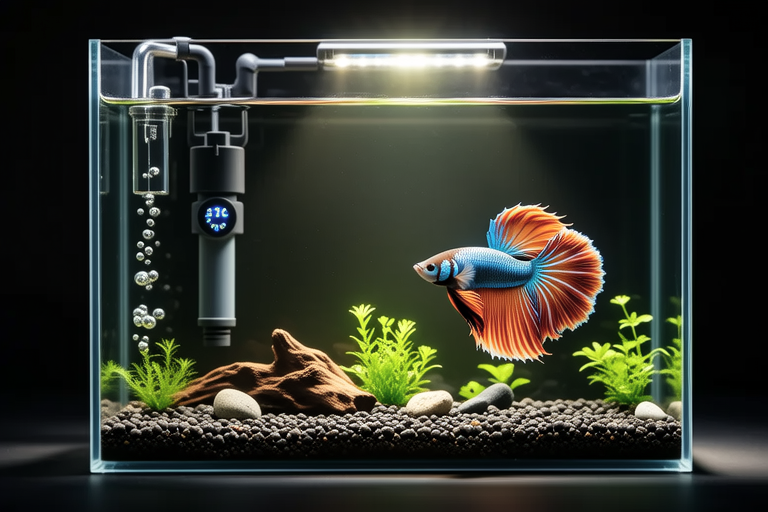
The Ultimate Guide to Setting Up a Perfect Betta Habitat
Welcome to the world of betta fish ownership! Bettas are fascinating creatures that can bring joy and color to any home. However, setting up their perfect habitat requires careful consideration of several factors to ensure they thrive. This comprehensive guide will walk you through everything you need to know about creating an ideal environment for your betta, from tank size and water conditions to filtration systems and suitable decorations.
Optimal Tank Size
One of the most common misconceptions about bettas is that they can live happily in small containers like vases or bowls. In reality, bettas require more space than these setups provide. The minimum recommended tank size for a single betta is 2.5 gallons (approximately 10 liters). Larger tanks offer better water quality and more room for swimming, which contributes significantly to the fish’s overall well-being.
Water Conditions
Temperature
Bettas are tropical fish, so maintaining a consistent temperature between 76°F and 82°F (24°C to 28°C) is crucial. A heater with a thermostat can help regulate this range, ensuring your betta remains comfortable year-round.
pH Level
A stable pH level between 6.5 and 7.5 is ideal for bettas. Regular testing with a reliable test kit will help monitor these levels, allowing you to make necessary adjustments if needed.
Filtration Systems
While bettas are known for their labyrinth organs that allow them to breathe air at the surface, proper filtration is still essential. Filters help maintain clean water by removing waste and excess food particles. Look for filters designed specifically for small aquariums or those with adjustable flow rates to prevent strong currents that could stress your betta.
Suitable Decorations and Plants
Incorporating decorations and live plants into your betta’s habitat provides enrichment and mimics their natural environment. Choose items that provide hiding spots and climbing areas, such as caves, driftwood, or artificial plants. Live plants like Java fern, Amazon swords, and Anubias offer additional benefits by improving water quality through oxygenation and nutrient absorption.
Feeding Habits
Bettas are carnivorous and should be fed high-protein foods like pellets, flakes, or frozen/live treats such as bloodworms and brine shrimp. Feed your betta once or twice daily, offering only what they can consume within two minutes to prevent overfeeding.
Regular Maintenance Tips
- Weekly Water Changes: Replace approximately 25% of the tank water each week to keep it fresh and free from harmful substances.
- Cleaning Equipment: Regularly clean your filter media, gravel vacuum, and other equipment used during maintenance.
- Monitoring Parameters: Test water parameters regularly to ensure they remain within safe ranges.
Common Mistakes to Avoid
- Overcrowding: Keep the number of fish proportional to the tank size to avoid stress and poor water quality.
- Improper Filtration: Insufficient filtration can lead to dirty water and unhealthy living conditions.
- Incorrect Feeding: Overfeeding can cause bloating and other health issues, while underfeeding may result in malnutrition.
Conclusion
Creating a perfect betta habitat involves understanding their specific needs regarding tank size, water conditions, filtration systems, and environmental enrichment. By following the guidelines outlined in this ultimate guide, you’ll be well on your way to providing your betta with a healthy and stimulating home. Remember, every detail counts in ensuring your betta lives a long, happy life filled with vibrant colors and playful behavior.
