5 Surprising Facts About Chinchillas You Never Knew!
Chinchillas, those adorable rodents with their plush, soft fur, have captivated the hearts of many. Known for their gentle nature and striking appearance, these animals have a fascinating history and biology that goes beyond their cuddly looks. In this article, we explore five surprising facts about chinchillas that will leave you amazed and intrigued. From their unique grooming habits to their evolutionary history, get ready to dive into the world of these charming creatures.
Fact 1: Chinchillas Have the Densest Fur Among Mammals
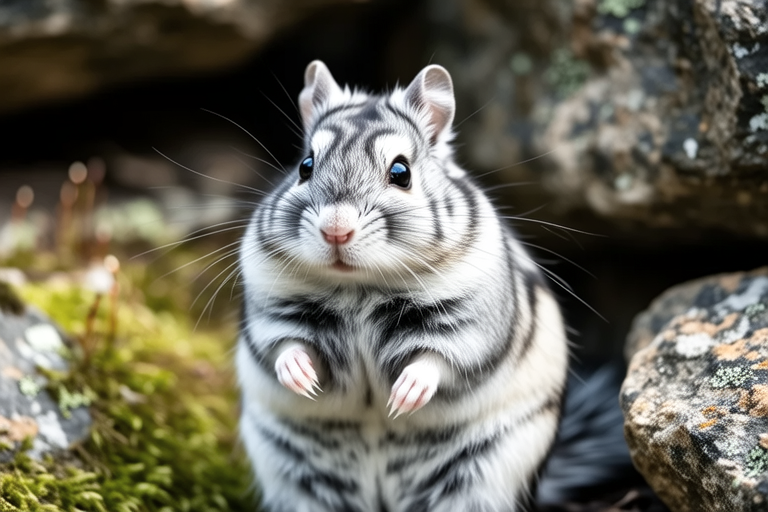
One of the most striking features of chinchillas is their incredibly dense fur. Each square inch of a chinchilla’s skin hosts approximately 20,000 to 30,000 hairs, making it the densest fur among all mammals. This remarkable density is due to their evolutionary adaptation to their native habitat, the Andean mountains of South America. The high-altitude environment is often cold and dry, necessitating thick fur for insulation. Interestingly, this dense fur also helps them maintain body temperature in fluctuating climates. The thickness of their fur makes them highly resistant to external parasites, which is another advantage of their unique coat. However, this feature has also made them targets for the fur trade historically.
Their fur is not just a protective shield but also plays a significant role in their social interactions. Chinchillas use their fur as a means of communication, and the quality of their fur can indicate their health status and breeding potential. The dense fur is so important that it has been a subject of study in zoology and evolutionary biology. Scientists have found that the evolution of such dense fur in chinchillas could be linked to their need for thermal regulation in their natural habitat. This adaptation showcases how environmental pressures can shape the physical characteristics of species over time.
Fact 2: Chinchillas Love Dust Baths, Not Water
Unlike many other animals, chinchillas prefer dust baths to water for cleaning themselves. Their fur is so dense that water can become trapped between the hairs, leading to skin issues if they are bathed in water. Instead, chinchillas take dust baths, which help remove dirt, excess oil, and parasites from their fur. They roll around in fine volcanic ash or specially formulated dust designed for chinchillas, effectively cleaning their coats without the risk of water damage.
This behavior is fascinating because it reflects the unique needs of their dense fur. Dust bathing is a vital part of their grooming routine, and it serves multiple purposes. Not only does it keep their fur clean, but it also helps prevent fungal infections and other skin conditions. In the wild, chinchillas find suitable dust in the rocky terrain of their mountain habitats. Domesticated chinchillas, however, require a safe and controlled environment for their dust baths, typically provided by their owners. The frequency of these dust baths varies, but generally, chinchillas enjoy them several times a week.
Observing a chinchilla during a dust bath is a delightful experience. They roll around energetically, sometimes even shaking the dust off like a dog would after a swim. This activity not only keeps them clean but also provides them with mental stimulation, contributing to their overall well-being. Understanding the importance of dust baths for chinchillas is crucial for their care, ensuring that they remain healthy and happy in captivity.
Fact 3: Chinchillas Can Jump Up to Six Feet High
Chinchillas are exceptional jumpers, capable of leaping up to six feet in height. This remarkable ability stems from their strong hind legs and lightweight bodies, which allow them to cover impressive distances in a single bound. In their natural habitat, this jumping prowess enables them to navigate the rugged terrain of the Andes Mountains, where they live in rocky crevices and cliffs. Their agility helps them escape predators and reach food sources that might otherwise be inaccessible.
The evolutionary reason behind this jumping ability is closely tied to their survival strategy. In the wild, chinchillas face numerous threats from predators such as foxes, birds of prey, and snakes. By being able to leap to great heights, they can quickly evade danger and find refuge in the crags and caves of their mountainous home. Additionally, their jumping skills assist in reaching higher vegetation and gathering food, especially when resources are scarce.
In captivity, chinchillas still retain this jumping ability, though their environment is usually much safer. Owners must provide chinchillas with ample space and secure enclosures to accommodate their natural behavior. Enclosures should include platforms and ramps to encourage exercise and mimic their natural environment. Providing such an enriched environment not only satisfies their instinctual need to jump but also promotes their physical and mental health.
Fact 4: Chinchillas Are Social Creatures With Complex Behaviors
Contrary to popular belief, chinchillas are highly social animals that thrive in the company of others. In the wild, they live in colonies consisting of hundreds of individuals, which provides them with safety in numbers and opportunities for social interaction. These colonies are hierarchical, with dominant males establishing territories and leading smaller groups. Females, on the other hand, tend to form close-knit bonds with each other, often sharing responsibilities like caring for young and defending the group.
Domestic chinchillas, while often kept as solitary pets, can benefit greatly from companionship. Studies have shown that chinchillas housed in pairs or small groups exhibit lower stress levels and more positive behaviors compared to those kept alone. Interaction within a group can include mutual grooming, play, and vocal communication. Chinchillas use a variety of sounds to communicate with each other, including chirps, squeaks, and even purring-like noises. These vocalizations serve different purposes, from expressing affection to warning of potential threats.
Understanding the social nature of chinchillas is essential for their care. For pet owners considering adopting a chinchilla, providing companionship can significantly enhance the animal’s quality of life. It is important to introduce new chinchillas slowly and carefully, allowing them to get acquainted before full integration. Ensuring that chinchillas have adequate space and enrichment activities also supports their social needs, preventing boredom and stress.
Fact 5: Chinchillas Have a Long Lifespan Compared to Other Small Rodents
Chinchillas are known for their relatively long lifespan, which can range from 10 to 20 years in captivity. This longevity is attributed to their low-stress lifestyle in domestic environments, proper nutrition, and regular veterinary care. In the wild, chinchillas face numerous threats that can shorten their lifespan, but in captivity, they can enjoy a much longer life. Factors such as a balanced diet, a stress-free living environment, and routine health check-ups contribute to their extended lifespans.
The longevity of chinchillas is a testament to their adaptability and resilience. Their ability to thrive in captivity highlights the importance of responsible pet ownership. Ensuring that chinchillas receive the best possible care involves providing a nutritious diet rich in hay, pellets, and fresh vegetables, along with access to clean water. Regular exercise through climbing, jumping, and playing is also crucial for maintaining their physical fitness. Additionally, monitoring their health through routine veterinary visits helps address any potential issues early, contributing to their overall well-being.
As chinchillas age, they may develop certain health conditions that are common among older rodents. Conditions such as dental problems, arthritis, and kidney issues can arise, requiring careful management and possibly medical intervention. Owners must be prepared to provide ongoing care and support as their chinchillas grow older. Despite these challenges, the opportunity to share a long and rewarding companionship with a chinchilla is a unique and fulfilling experience.
Conclusion
Chinchillas are truly remarkable creatures, full of surprises and unique adaptations. From their incredibly dense fur to their impressive jumping abilities, these small rodents offer a wealth of fascinating traits that make them both captivating and intriguing. Whether you’re a seasoned animal enthusiast or a curious pet owner, learning about the lesser-known aspects of chinchillas can deepen your appreciation for these gentle creatures. Understanding their social needs, grooming habits, and evolutionary history can also enhance the care and enjoyment of keeping chinchillas as pets. As we continue to learn more about these amazing animals, we can better ensure their well-being and longevity, both in the wild and in our homes.
