From Fin to Flask: How Betta Water Affects Your Fish’s Health
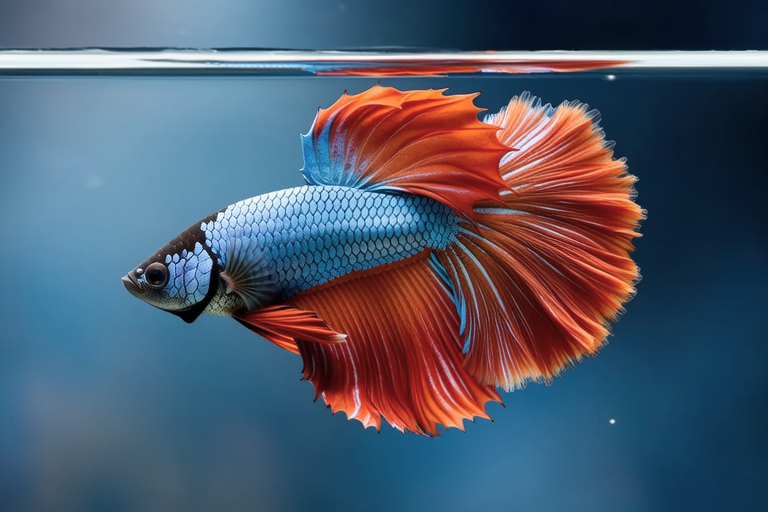
Betta fish, also known as Siamese fighting fish, are popular among aquarium enthusiasts due to their vibrant colors and graceful fins. Originating from the rice paddies of Thailand, these fish have adapted to survive in waters with varying levels of oxygen, pH, and temperature. However, understanding and meeting their specific water requirements is crucial for their health and longevity. This article delves into the intricate relationship between betta water and their well-being, providing valuable insights for both novice and seasoned aquarists.
The Unique Water Requirements of Betta Fish
Bettas thrive in environments that mimic their natural habitats. In the wild, they are exposed to waters with fluctuating temperatures, pH levels, and oxygen content. These factors play a critical role in ensuring the fish’s survival and overall health. Understanding these elements and replicating them in captivity is key to maintaining a healthy betta.
pH Balance: The Foundation of Betta Water
pH is a measure of acidity or alkalinity in water, ranging from 0 to 14. Betta fish prefer slightly acidic to neutral water, ideally between 6.5 and 7.5. Maintaining this range is vital because it affects the fish’s ability to process oxygen and nutrients. A pH level that is too high or too low can lead to stress, disease, and even death. Regular testing with a reliable pH kit is recommended to ensure your betta’s water remains within the optimal range.
Temperature: Keeping Things Comfortable
Bettas are tropical fish, meaning they require warm water to thrive. An ideal temperature range for bettas is between 76°F and 82°F (24°C to 28°C). Temperatures outside this range can cause stress, leading to weakened immune systems and increased susceptibility to diseases. A heater is essential for maintaining a consistent temperature, especially in cooler climates. Additionally, sudden temperature changes can shock the fish, so gradual adjustments are necessary when making alterations.
Water Hardness: The Hidden Factor
Water hardness refers to the concentration of dissolved minerals, primarily calcium and magnesium, in the water. Bettas generally prefer soft to moderately hard water, with a general hardness (GH) level between 5 and 12 dGH. Hard water can lead to mineral buildup on the tank and decorations, which may be harmful to the fish. Conversely, overly soft water can lack essential minerals. Regularly checking the water hardness with a test kit helps maintain a balance that supports the fish’s health.
Common Water-Related Issues and Their Impact on Betta Health
Despite best efforts, certain water-related problems can still arise, posing significant threats to your betta’s health.
Ammonia Spikes: A Silent Killer
Ammonia is a toxic waste product produced by fish through their metabolism and decomposing organic matter. In a properly cycled tank, beneficial bacteria convert ammonia into less harmful compounds. However, during the initial setup or if the bacterial population is disrupted, ammonia can spike, causing severe damage to the fish’s gills and tissues. Symptoms include rapid breathing, lethargy, and loss of appetite. To prevent ammonia spikes, perform regular partial water changes and avoid overfeeding.
Nitrite Spikes: The Next Step in the Cycle
Nitrite, another toxic compound, forms when bacteria break down ammonia. While less harmful than ammonia, nitrite can still cause harm if present in high concentrations. It binds to hemoglobin in the fish’s blood, reducing its ability to carry oxygen, a condition known as methemoglobinemia or “brown blood disease.” Symptoms include labored breathing, red or purple gills, and a general decline in activity. Establishing and maintaining a fully cycled tank with robust biological filtration is crucial to preventing nitrite spikes.
Tips for Maintaining Optimal Water Conditions
Maintaining optimal water conditions requires diligence and attention to detail. Here are some practical tips to ensure your betta thrives:
Regular Water Changes
Performing weekly water changes of about 25% is one of the most effective ways to maintain water quality. This practice removes accumulated toxins and replenishes essential minerals. Always use a water conditioner to treat tap water before adding it to the tank, as tap water often contains chlorine, chloramines, and other harmful chemicals. Water conditioners neutralize these substances, making the water safe for your betta.
Proper Filtration
A good filter is essential for keeping the water clean and free from debris. Choose a filter that provides gentle water flow without causing excessive turbulence. Overly strong currents can stress bettas, who are accustomed to slow-moving waters. Additionally, filters help maintain the bacterial colonies responsible for breaking down harmful compounds, ensuring a stable and healthy aquatic environment.
Monitoring Equipment
To ensure water parameters remain within the desired range, invest in quality monitoring equipment. pH testers, thermometers, and water hardness kits are indispensable tools for maintaining optimal conditions. Automated controllers for heaters and pumps can also provide peace of mind, ensuring consistent and stable environmental conditions.
Choosing the Right Equipment for Monitoring and Maintaining Water Quality
Selecting the appropriate equipment is crucial for long-term betta health. The following items are highly recommended:
Heaters and Thermostats
A reliable heater is essential for maintaining a stable temperature. Look for models with built-in thermostats to prevent overheating. Submersible heaters are preferable as they heat the water directly, ensuring even distribution.
Filtration Systems
Choose a filtration system that matches the size of your tank. For bettas, a sponge filter is often ideal as it provides gentle filtration without creating strong currents. Additionally, consider filters with bio-media to support the growth of beneficial bacteria.
Water Conditioners
Invest in a reputable water conditioner that neutralizes chlorine, chloramines, and heavy metals. These products also help detoxify ammonia, nitrite, and nitrate, providing a safer environment for your betta.
Conclusion: Creating a Stable Aquatic Environment for Long-Term Betta Health
Creating and maintaining a stable aquatic environment is paramount for the long-term health and happiness of your betta fish. By understanding and addressing the unique water requirements of bettas, you can provide them with the best possible care. Regular monitoring of pH, temperature, and water hardness, along with proper filtration and water changes, ensures a thriving aquatic ecosystem. Investing in quality equipment further supports a stable environment, ultimately contributing to the longevity and well-being of your beloved betta. With careful attention and dedication, you can enjoy the beauty and grace of these fascinating creatures for years to come.
