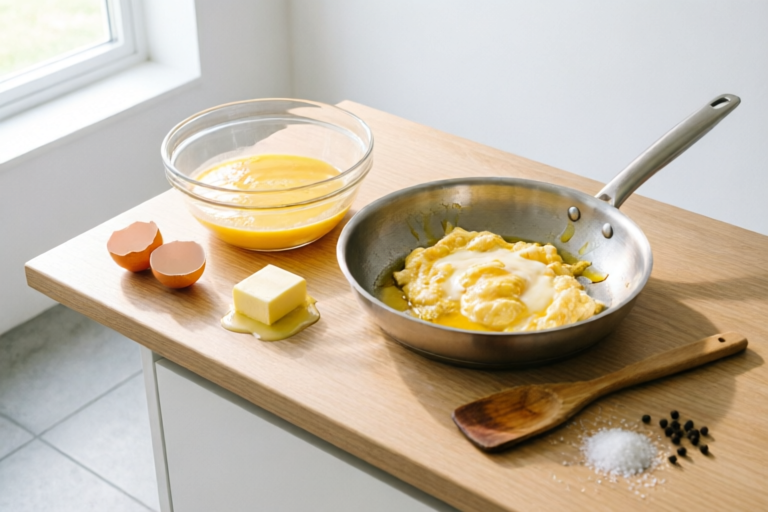
How to Make Perfect Scrambled Eggs in Minutes
Perfect Scrambled Eggs in Minutes
1. Introduction to Perfect Scrambled Eggs
Scrambled eggs are a versatile and popular breakfast choice around the world. They are not only nutritious but also incredibly simple to prepare. Whether you're a busy morning person or someone who enjoys a leisurely start to the day, knowing how to make perfect scrambled eggs in minutes can be a lifesaver.
1.1 Brief Overview of Scrambled Eggs
Scrambled eggs are eggs that have been beaten and cooked gently until they become soft and creamy. The process involves breaking eggs into a bowl, mixing them with milk, salt, and pepper, then cooking them slowly in a pan until they reach the desired texture.
1.2 Importance of Quick and Easy Preparation Methods
In today's fast-paced world, having quick and easy preparation methods is crucial. Scrambled eggs are an ideal option for those looking for a nutritious meal that doesn't require much time or effort. With just a few ingredients and some basic kitchen skills, you can have a delicious and satisfying breakfast ready in no time.
2. Essential Ingredients for Scrambled Eggs
To make perfect scrambled eggs, it's important to use high-quality ingredients. Here’s what you’ll need:
2.1 List of Basic Ingredients Needed
- Eggs: Fresh eggs are essential for achieving the best texture and flavor. Look for eggs that are within their expiration date and have uncracked shells.
- Milk: Adding a small amount of milk (or cream) helps to create a smoother and creamier texture. Whole milk works well, but you can also use low-fat milk if you prefer.
- Butter: Butter adds richness and enhances the flavor of the eggs. Unsalted butter is recommended so you can control the amount of salt added to the dish.
- Salt and Pepper: These are the basic seasonings that bring out the natural flavors of the eggs. Adjust the seasoning according to your taste preferences.
2.2 Tips on Selecting Fresh Eggs and Quality Dairy Products
When selecting eggs, look for ones that are firm and free of cracks. Fresh eggs will have a more vibrant yolk color and will cook up fluffier. For dairy products like milk and butter, opt for products that are pasteurized and have not expired. This ensures that your scrambled eggs are not only delicious but also safe to eat.
3. Equipment You Need for Quick Preparation
The right equipment can make all the difference when preparing scrambled eggs quickly. Here’s what you’ll need:
3.1 Necessary Kitchen Tools
- Pan: A non-stick skillet is ideal for scrambled eggs as it prevents sticking and makes cleanup easier. Choose a pan that is large enough to accommodate the eggs without overcrowding.
- Spatula: A heat-resistant rubber spatula is perfect for stirring the eggs gently and ensuring even cooking.
- Whisk: A wire whisk is useful for beating the eggs thoroughly, which helps to incorporate air and creates a lighter texture.
3.2 Optional Equipment for Better Results
- Non-Stick Pan: As mentioned earlier, using a non-stick pan can help prevent sticking and make flipping the eggs easier.
- Electric Mixer: While not necessary, an electric mixer can speed up the process of beating the eggs and incorporating air, leading to fluffier scrambled eggs.
4. Step-by-Step Guide to Making Scrambled Eggs
Follow these steps to make perfect scrambled eggs in minutes:
4.1 Cracking the Eggs
Start by cracking the eggs into a bowl. Be careful not to break the yolks too much, as whole yolks tend to give a richer flavor. If you want extra fluffy eggs, you can separate the yolks from the whites and beat the whites separately before folding them back into the yolks.
4.2 Mixing the Eggs
Add a splash of milk (about 1 tablespoon per egg) and whisk the mixture until the yolks and whites are fully combined. Season with salt and pepper to taste. You can also add other ingredients at this stage, such as cheese or herbs, depending on your preference.
4.3 Cooking the Eggs
Heat a small amount of butter in a non-stick skillet over medium-low heat. Once the butter has melted and is foamy, pour in the egg mixture. Let it sit for a few seconds until the edges begin to set. Use a spatula to gently stir the eggs, allowing them to cook evenly. Continue stirring until the eggs are softly set but still moist.
4.4 Timing Tips for Perfect Consistency
Timing is crucial for achieving the perfect consistency. Overcooked eggs can become dry and rubbery, while undercooked eggs may be runny. Aim to remove the eggs from the heat when they are still slightly wet, as they will continue to cook for a short time after being removed from the heat.
5. Common Mistakes to Avoid
Even experienced cooks can make mistakes when preparing scrambled eggs. Here are some common errors to avoid:
5.1 Frequent Errors in Scrambling Eggs
- Overcooking: Cooking the eggs for too long can result in dry, tough eggs. To avoid this, remove the eggs from the heat when they are still slightly wet.
- Undercooking: Undercooked eggs may be runny and difficult to eat. Ensure that the eggs are fully cooked but still moist.
- Using Too Much Heat: High heat can cause the eggs to scramble too quickly and become tough. Always use medium-low heat for the best results.
5.2 Solutions to Prevent Overcooking or Undercooking
To prevent overcooking or undercooking, pay attention to the timing and the texture of the eggs. Stir the eggs gently and frequently to ensure even cooking. Remove the eggs from the heat when they are still slightly wet, as they will continue to cook off the heat.
6. Variations and Toppings for Personalization
Scrambled eggs can be customized to suit your taste preferences. Here are some ideas for adding flavors and toppings:
6.1 Ideas for Adding Flavors
- Cheese: Add shredded cheese to the eggs while they are cooking for a cheesy twist. Cheddar, Swiss, and Parmesan are popular choices.
- Herbs: Fresh herbs like chives, parsley, or dill can add a burst of freshness to your eggs. Chop them finely and sprinkle them over the cooked eggs.
- Vegetables: Sautéed onions, bell peppers, spinach, or mushrooms can be added to the eggs for extra nutrition and flavor.
6.2 Suggestions for Serving with Different Sides
- Bacon or Sausage: Serve scrambled eggs with crispy bacon or sausage for a hearty breakfast.
- Toasted Bread: A slice of toasted bread or English muffin is a classic pairing for scrambled eggs.
- Fruit: Fresh fruit like berries or sliced bananas can provide a sweet contrast to the savory eggs.
7. Conclusion and Final Tips
By following these steps and tips, you can make perfect scrambled eggs in minutes. Remember to use fresh ingredients, cook over medium-low heat, and remove the eggs from the heat when they are still slightly wet. Experiment with different flavors and toppings to find your favorite combination. Practice makes perfect, so don’t be afraid to try new recipes and techniques. Enjoy your delicious and nutritious scrambled eggs!
Comments

Perfect for busy mornings. I top mine with avocado slices for extra flavor and nutrition.

Adding some fresh basil and garlic really kicked up the flavor. Yum!

This is my first time making scrambled eggs and they turned out great! Thanks for the step-by-step guide.

I swapped out half the eggs for tofu. It was surprisingly good and reduced the calorie count too!

Been making scrambled eggs for years but never thought about using a non-stick pan. Game changer!

Great guide! Quick question though - can I use olive oil instead of butter? Would that affect the taste?

Tried this, loved it! Adding a bit of cream cheese makes it extra creamy.