Desserts & Baking
Simple Baking Hacks That Will Save You Time In The Kitchen
Bake Smarter, Not Harder
## Introduction: The Art of Time-Efficient Baking
In the world of culinary arts, few pursuits are as universally loved yet intimidating as baking. There is something magical about transforming humble ingredients like flour, sugar, and eggs into golden pastries, fluffy cakes, and decadent cookies. However, for many home bakers, this magic often comes at a steep price: time. Traditional recipes frequently demand hours of meticulous preparation, precise waiting periods, and an arduous clean-up session that leaves you exhausted before you even take the first bite.
The reality of modern life often clashes with the traditional timeline of baking. Between work commitments, family responsibilities, and social obligations, finding the luxury of an entire afternoon dedicated solely to baking has become a rare commodity. This does not mean that homemade baking must be abandoned or relegated to only the most leisurely occasions. On the contrary, with the right strategies, you can maintain the integrity and quality of your creations while significantly reducing the clock time spent in the kitchen.
This article explores the art of time-efficient baking. It outlines the common time management struggles in home baking and explains how strategic hacks can streamline the entire process from start to finish. By adopting a systematic approach that respects both the chemistry of food and the realities of daily schedules, you can unlock a stress-free baking experience. Whether you are preparing last-minute holiday cookies or Sunday morning breakfast bread, these techniques will help you bake with greater confidence and efficiency.
The goal is not to sacrifice flavor or quality for speed. Rather, it is to remove the friction points that slow you down—unnecessary steps, disorganized workflows, and inefficient cleaning habits. When you streamline your baking routine, you reclaim your time and mental energy, allowing you to focus on what truly matters: enjoying the results of your efforts.
## Mastering the Mise en Place Method
The foundation of any successful cooking venture lies in its preparation, but nowhere is this more critical than in baking. The term "mise en place," which translates from French as "putting in place," is a professional kitchen standard that describes organizing all ingredients and equipment beforehand. While often reserved for chefs working under high pressure, this methodology is equally powerful for the home baker looking to save time and avoid mid-baking interruptions.
### The Importance of Organizing Before Heating
Baking is a science. Unlike savory cooking, where you can adjust seasoning or cooking times based on taste, baking relies on chemical reactions that occur quickly once heat is applied. Once you turn on your oven or start mixing wet ingredients, the clock begins ticking. If you stop midway to realize you are missing a teaspoon of baking soda, the batter may have already begun to rise or lose its temperature stability, potentially ruining the texture of the final product.
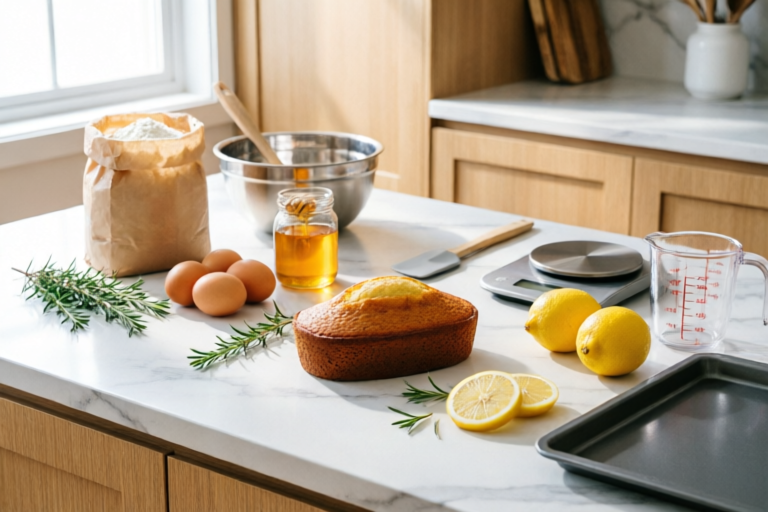
By mastering the mise en place method, you eliminate these disruptions. This involves gathering every single ingredient called for in the recipe before touching anything else. It also means weighing or measuring them into separate bowls or containers labeled clearly. For instance, instead of scooping flour from a large bag repeatedly, measure out the total amount required and place it in a mixing bowl. Do the same with sugars, leavening agents, and spices.
### Reducing Preparation Chaos
Beyond ingredients, your equipment needs to be ready. Pre-select your mixing bowls, spatulas, whisks, measuring cups, and pans. Ensure they are clean and dry. If you need to sift flour or grate lemon zest, get the tools and sifter grater ready now. Many bakers waste minutes simply hunting for the right spatula when they should be focusing on their tasks.
A practical way to visualize this is to clear your counter space completely of unnecessary items. Create a dedicated "work zone." Place your pre-measured ingredient bowls in the order they appear in the recipe. This creates a visual roadmap. As you mix, you simply move from left to right. This reduces decision fatigue—the mental load of figuring out what step comes next—and allows you to enter a flow state.
### Pro Tip: The Assembly Line Approach
If you are baking multiple batches or items simultaneously, consider setting up an assembly line rather than making one item fully before moving to the next. For example, if you are decorating cookies, have the cooled cookies laid out, the icing bowl filled, and sprinkles ready on trays along the countertop. If you switch back and forth between tasks without prep, you spend valuable time washing hands or searching for toppings. Organization is the primary driver of speed in the kitchen.
## Smart Ingredient Selection and Prep
Even with perfect organization, choosing the right ingredients and preparing them intelligently can shave significant minutes off your process. Often, what seems like a necessary step is actually a hurdle created by poor planning. By understanding how ingredients behave, you can make smart choices that simplify the workflow without compromising the outcome.
### Utilizing Room-Temperature Dairy
One of the most common bottlenecks in baking is waiting for cold butter or eggs to reach room temperature. Cold butter is difficult to cream with sugar, leading to longer mixing times and potential separation. Cold eggs can cause the batter to seize or curdle. While you can theoretically wait an hour for this, there are smarter ways to manage temperature.
For butter, cutting it into small cubes before refrigerating helps it warm up faster. Alternatively, you can leave it out overnight in warmer climates. For eggs, placing them in a bowl of lukewarm water for five minutes achieves the desired temperature almost instantly. This simple trick saves precious time compared to forgetting about them until it is too late. Similarly, plan ahead. If you know you want to bake a cake in the evening, pull the dairy out of the fridge in the morning.
### Keeping Frozen Fruits on Hand
Fresh fruit seasons change, and fresh produce often spoils before it can be used. Keeping frozen fruits on hand is a strategic hack for time-saving bakers. Frozen berries are washed and peeled for you, ready to be folded into muffin batters or tarts immediately upon thawing. Thawing frozen fruit in the microwave takes minutes compared to slicing and pitting fresh fruit.
It is important to note that frozen fruit often releases more moisture during baking, so you may want to toss them lightly in flour before folding them into batter to prevent sinking. Additionally, frozen fruit can be stored for months, reducing grocery shopping frequency and the time spent selecting produce. This ensures you have backup ingredients for sudden cravings or unexpected guests without a trip to the store.
### Opting for Pre-Made Bases When Necessary
There is no shame in using shortcuts. In fact, using pre-made bases for things like tart shells, pie crusts, or brownie mixes can be a legitimate time-saver, especially when you want a homemade feel without the labor-intensive rolling and lining of dough from scratch.
High-quality pre-made cookie dough balls found in the refrigerator aisle or frozen section allow you to skip the measuring, mixing, and chilling stages. You can scoop them onto a tray and pop them in the oven immediately. Similarly, frozen puff pastry offers a flaky texture that would take hours to achieve with laminated dough. These products free you up to focus on the creative elements, such as filling selection or glazing. Just ensure you read labels for salt levels and preservatives to control the final flavor profile accurately.
## Streamlined Mixing and Baking Techniques
Once your ingredients are ready, the actual mixing and baking phases offer several opportunities to optimize for speed. Efficiency here is about choosing the right tools and methods that accomplish the task with fewer movements and less physical effort. These techniques ensure consistent results while minimizing active work time.
### The One-Bowl Mixing Method
Traditional recipes often call for mixing dry ingredients in one bowl and wet ingredients in another before combining. While this is classic, it involves extra dishes. For many quick breads, muffins, and pancakes, the one-bowl mixing method is highly effective and faster.
This technique involves adding all dry ingredients directly into the liquid mixture or vice versa. You simply whisk everything together until combined. Because you are not transferring mixtures between bowls or scraping sides multiple times, the mixing process is much quicker. It also reduces cleanup immediately after baking. Of course, this works best for batters that do not require delicate folding, such as yeast doughs or meringues. But for 90% of everyday baking, one bowl is sufficient.
### Switching from Layered Cakes to Sheet Cakes
Layered cakes look elegant, but they are time-consuming to bake, cool, frost, and decorate. Each layer requires individual baking, trimming, and leveling. A sheet cake, on the other hand, bakes in one large pan. You get the same delicious flavor but cut the cooling and frosting time drastically.
Instead of stacking three distinct layers, pour the batter into a single rectangular or round sheet pan. Bake until done. Frost the top smoothly. Slice into squares for serving. This method is perfect for large gatherings or parties where aesthetics are secondary to ease of serving. It allows you to serve a crowd of people without spending hours piping intricate borders. If you desire elegance, use a simple glaze or dusting of powdered sugar rather than heavy buttercream frosting.
### Adjusting Oven Settings for Faster Results
Oven dynamics play a huge role in baking speed. Knowing your oven's quirks can save you from overcooking or undercooking, which leads to wasted time. Many home ovens run cooler or hotter than the dial suggests. Investing in a standalone oven thermometer is a small purchase that yields massive returns in reliability.
Furthermore, consider using convection settings if available. Convection fans circulate hot air around the food, allowing for lower temperatures or shorter baking times. A cake that takes 30 minutes might be done in 25. Be careful not to over-circulate delicate batters, as this can flatten them too early. Always lower the temperature by about 25 degrees Fahrenheit when switching to convection mode to compensate for the increased efficiency. Another hack is avoiding opening the oven door frequently. Every time you peek, you lose heat, forcing the oven to reheat and extending the baking cycle. Use the light to check progress visually.
### Maximizing Rack Placement
Where you place your baking sheets affects how evenly and quickly things cook. For cookies, placing two sheets at a time in the middle rack is usually fine, but rotating them halfway through ensures even browning. Some advanced bakers recommend swapping racks top-to-bottom for perfectly even cooking. However, simply sticking to the center rack prevents burning on the bottom. If you are baking multiple sheets, use the upper and lower thirds of the oven, but swap positions midway through baking. This prevents the top layer from browning too fast due to heat proximity.
## Quick Cleanup and Storage Solutions
Often, the part of baking that discourages us the most is the mess. After the joy of eating is gone, the pile of bowls, mixers, and pans looms large. Streamlining cleanup ensures you aren't stuck in the kitchen for hours after the food is done. Additionally, smart storage solutions mean you can prep batches for later use, further reducing future baking time.
### Minimizing Dishwashing Time
Line your pans before you start. This is a non-negotiable tip for time-saving bakers. Use parchment paper liners, aluminum foil, or silicone mats for baking trays. This prevents batter from sticking to the surface entirely. When you are done, you can wipe the tray down with a damp cloth and put it away for later, or simply throw away the paper liner. No soaking is required.
Keep a designated drying rack set up near your sink so items don't pile up in the sink. If possible, soak dirty pots and pans in soapy water immediately after dumping out the remaining batter. The dried-on residue is harder to remove. Let it sit while you enjoy your treat or pack up decorations. Later, wiping away softened crumbs is significantly faster than scrubbing hardened starch. Also, consider using disposable mixing cups or ramekins for measuring smaller amounts. This eliminates the need to wash multiple small measuring cups.
### Using Non-Stick Coatings Effectively
Invest in quality non-stick bakeware. While you must treat them gently to avoid scratching, they drastically reduce the need for greasing pans. Greasing takes extra butter or oil and additional time. Non-stick surfaces allow you to release cakes and bars easily without excessive spraying. When washing non-stick pans, avoid abrasive sponges. Use soft sponges and warm soapy water to keep them in pristine condition, ensuring they continue to perform well for years. Well-maintained non-stick tools are reliable shortcuts that function correctly every time.
### Preserving Leftover Doughs for Future Use
Time saved today means time saved tomorrow. Preserve leftover doughs for future use. Most cookie and tart doughs freeze exceptionally well. Wrap portions tightly in plastic wrap or place them in freezer-safe bags. Label them with the date and type. When you want to bake again, thaw them in the refrigerator overnight.
You can also freeze fully baked goods. Cookies, brownies, and scones freeze beautifully. Store them in airtight containers in the freezer. Defrost at room temperature or warm briefly in the oven for a "fresh-baked" sensation. This turns your baking schedule into a production cycle. Spend one weekend making double or triple batches of base cookies or pastry dough. This way, when a craving strikes on a Tuesday night, you don't need to start from scratch; you simply bake the frozen discs. This is arguably the ultimate time-management hack for serious home bakers.
## Conclusion: Baking Smarter, Not Harder
As we wrap up our exploration of these strategies, it becomes clear that the difference between a stressful baking marathon and a delightful afternoon ritual lies in execution. Balancing quality with speed is not about cutting corners; it is about intelligent planning and leveraging techniques that respect the chemistry of your ingredients. We have covered the essential framework for efficient baking, from the discipline of mise en place to the convenience of pre-prepped ingredients and optimized mixing methods.
Key takeaways include the necessity of preparation before action, the power of organizational systems to reduce cognitive load, and the value of accepting helpful shortcuts like pre-made bases or frozen dough. By implementing these habits, you transform baking from a chore into a sustainable hobby that enriches your life rather than drains your schedule.
We encourage readers to adopt these routines to enjoy a stress-free baking experience. Start small: perhaps implement the one-bowl method for your next muffin batch, or organize your ingredients for your next cake. Watch how your confidence grows as the chaos diminishes. Remember, baking is meant to nourish both body and soul. By saving time in the kitchen, you reclaim that time for connection, relaxation, and sharing your creations with loved ones. Bake smarter, not harder, and watch your joy for cooking soar. With these simple baking hacks, you will find that delicious treats and a relaxed lifestyle are not mutually exclusive. They are entirely achievable with the right approach.
Comments

BusyBeeBaking
Storage solutions are key for working moms like me. Bookmarking this for sure.
👍 20👎 0

Emma_LovesOven
Room temp dairy makes such a huge difference! I usually skip that step and wonder why batter is lumpy.
👍 5👎 0

CakeLvr90
Made the sheet cake trick yesterday. So easy!!
👍 24👎 0

GlutenFreeGal
Does this work well with GF flours? Or do you think I need special timing adjustments?
👍 18👎 0

DadCooks247
Tried the one-bowl mixing today with brownies. Didn't turn out bad at all! Less dishes = win.
👍 2👎 0

SarahJ_Bakes
The mise en place tip honestly changed everything for me. I used to panic halfway through because something was missing!
👍 10👎 0