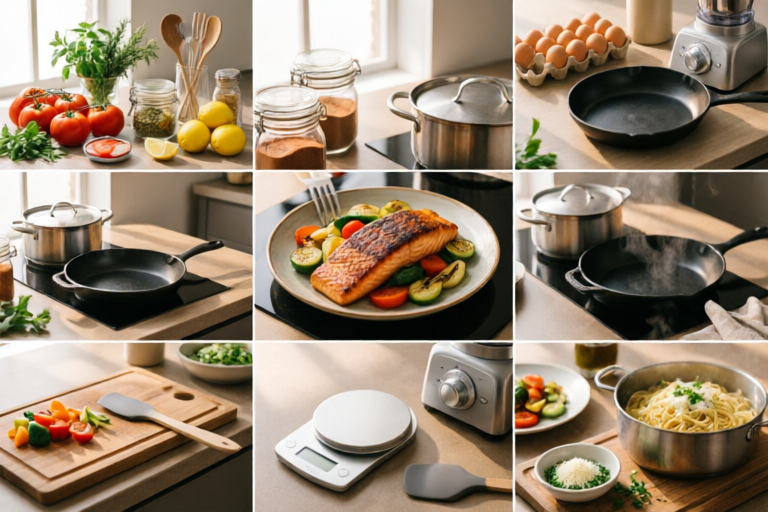
## Navigating Busy Weeknights with Ease
In the modern era, the demands on our time have escalated dramatically. Between work responsibilities, family obligations, and personal commitments, the evening hours often become a race against the clock. The pressure to prepare a nutritious, satisfying meal after a long day can feel overwhelming, leading many to rely on takeout or processed foods that undermine health goals. However, the solution does not lie in quitting cooking entirely but rather in adopting smarter strategies. Trading traditional, labor-intensive cooking efforts for streamlined techniques is the core concept behind efficiency in the kitchen.
The journey to stress-free dining begins with understanding that preparation is the ultimate shortcut. By shifting your mindset from reacting to dinner cravings to planning ahead, you reclaim control over your evenings. This article explores ten distinct hacks designed to dismantle the barriers to home-cooked meals. Whether you are a seasoned home chef or someone who struggles with basic nutrition, integrating these strategies will transform your kitchen routine from a chore into a manageable, enjoyable part of your day. We will cover everything from strategic pre-preparation to utilizing the right tools and ingredients, ensuring you never face a hungry weekday evening without a plan.
## Pre-Cooking Preparations That Save Hours
The foundation of time-saving cooking lies in what you do before the stove even turns on. These methods leverage your free time during weekends or earlier in the week to minimize labor during the chaos of Monday through Friday nights.
### Hack #1: Weekend Batch Cooking
Batch cooking is the cornerstone of efficient meal management. Instead of thinking about individual daily menus, dedicate two to three hours on Sunday to cook large quantities of versatile staples. Prepare grains like rice, quinoa, or pasta, and roast trays of vegetables such as broccoli, sweet potatoes, or carrots. You can also cook large batches of protein sources like chicken breasts, ground turkey, or chili. By storing these components in airtight containers, you create a "mix-and-match" buffet for your fridge. On Tuesday, simply reheat a portion of roasted chicken with fresh salad; on Thursday, toss the cooked quinoa with veggies and seasoning for a stir-fry style bowl. This eliminates the decision fatigue of "what's for dinner?" and reduces actual active cooking time to mere minutes on busy weekdays.
### Hack #2: Vegetable Pre-Chopping
Vegetables are the bulk of healthy cooking, but their preparation time—the peeling, washing, chopping—is often prohibitive. Transform this hurdle into a weekend task by washing and chopping a wide variety of vegetables once you have finished your initial batch cooking session. Store onions, peppers, and leafy greens in separate containers lined with paper towels to absorb moisture and extend freshness. When you arrive home tired, reaching for a container of pre-sliced bell peppers takes seconds compared to twenty minutes of knife work. This "mise en place" approach ensures that the most tedious part of cooking is done in advance, allowing the actual cooking phase to move at a blistering pace.
### Hack #3: Overnight Marinating for Instant Assembly
Marinating meat and tofu not only enhances flavor but also tenderizes ingredients, meaning less time spent cooking them to ensure tenderness. Set this process up the night before your intended meal. Place your chosen proteins in a ziplock bag with your sauce mixture—soy sauce, garlic, lemon juice, herbs—and leave it in the refrigerator overnight. When morning comes, the flavors have already penetrated the food. When evening arrives, all that remains is to sear or grill the items until cooked through. This hack effectively halves the prep time associated with meat dishes because the flavor development happens passively while you sleep, requiring zero active effort from you during the workday.
## Smart Appliances and Equipment Shortcuts
Modern technology offers incredible opportunities to reduce hands-on time. Investing in or maximizing the use of specific kitchen gadgets can drastically alter your culinary timeline.
### Hack #4: Leveraging the Pressure Cooker
The pressure cooker, especially electric models like the Instant Pot, is a time machine in your kitchen. It cooks tough cuts of meat, dried beans, and stocks in a fraction of the time traditional methods require. A pot roast that usually takes four hours in the oven can be tenderized in under an hour using high pressure. Because the lid seals the vessel, heat is trapped, accelerating the chemical reactions involved in cooking. You can set the timer, walk away for the allotted time, and return to fully cooked food. Furthermore, the "steam release" method allows you to finish dishes rapidly. For stews and curries, this device removes the need for constant stirring and temperature monitoring, making complex dishes accessible to anyone.
### Hack #5: Utilizing the Air Fryer
While marketed primarily for frying, air fryers are essentially powerful convection ovens. They circulate hot air rapidly around food, creating a crispy exterior without the oil and reducing cooking times by nearly 30% compared to conventional ovens. Roasted chicken thighs, frozen french fries, or even baked salmon cook faster here than in a slow-heating oven. Crucially, because the basket is smaller, you don't need to preheat the appliance for extended periods. This reduction in idle energy and waiting time adds up. Additionally, cleanup is simpler with dishwasher-safe baskets, removing the scrubbing of heavy pans from the equation entirely.
### Hack #6: Microwave Steamers for Vegetables
Steaming is one of the healthiest cooking methods, preserving nutrients and texture, but it often requires pots, water, and vigilance to prevent boiling over. Microwave steamers solve this elegantly. Fill the dedicated compartment with your frozen or fresh vegetables, add a splash of water, and pop it in the microwave. Most bags instruct to cook for 3 to 5 minutes. The result is steaming hot, vibrant vegetables ready for immediate consumption or tossing into a grain bowl. This hack is particularly useful for quick lunches or supplementing a main dish. It completely bypasses the need for stovetop burner usage, leaving the range free for other tasks or keeping your kitchen cool during summer months.
## Ingredient Swaps for Minimal Effort
Sometimes the biggest time sinks are found in the cleaning and processing of raw ingredients. Strategic swaps allow you to maintain nutritional quality while bypassing the prep work entirely.
### Hack #7: Embracing Jarred Sauces
Homemade tomato sauce can be delicious, but simmering it for an hour is not always feasible. High-quality jarred sauces serve as excellent bases for pasta bolognese or pizza. To elevate them, add fresh herbs or sautéed garlic to give them a "made-from-scratch" feel instantly. You are essentially buying the labor-intensive component of cooking (simmering spices and reducing tomatoes) and substituting it with a shelf-stable product. This swap saves you the entire afternoon spent on sauce preparation. Combined with pre-cooked pasta, dinner is ready in under fifteen minutes.
### Hack #8: Relying on Canned Proteins
Canned tuna, chickpeas, black beans, and lentils are pantry staples that require no soaking, long cooking times, or thawing. Chickpeas rinsed quickly can be tossed with olive oil and spices into an oven tray for a five-minute roast. Tuna cans are immediately edible. Using these ingredients allows you to build protein-centric salads or wraps without the fear of undercooked chicken. It removes the food safety anxiety associated with raw meats, enabling you to throw together a high-protein meal instantly. This is a crucial hack for late-night hunger relief or unexpected guest situations.
### Hack #9: Buying Pre-Washed Greens
Salads are often skipped because washing lettuce or spinach leaves time-consuming, especially if there are bugs or dirt involved. Modern supermarkets sell triple-washed, pre-bagged salad greens. While they cost slightly more, the price difference is negligible compared to the time saved avoiding a salad spinner and multiple water changes. Keep a bag open in the fridge for ready-to-go sides. This simple substitution ensures you eat vegetables consistently, as the barrier to entry is removed. It supports the goal of adding a fresh element to every plate without the psychological burden of dirty dishes.
## One-Pot and Sheet Pan Dinner Designs
Finally, consider how your choice of cookware impacts both cooking duration and cleanup duration. Consolidating the cooking process reduces variables and mess.
### Hack #10: Mastering One-Pot Wonders
One-pot meals involve cooking the entire dish, including carbohydrates and proteins, in a single deep pot or Dutch oven. Risotto, soups, and curries fit this category perfectly. The beauty of this hack extends beyond cooking; it applies to cleanup. There is no need to wash a colander for the pasta, a skillet for the sauce, and a plate for the protein. All that accumulates is one pot to wash. By layering ingredients based on their cooking times—hardier root vegetables at the bottom, delicate greens on top—you can feed a family a cohesive meal with minimal intervention. This approach reduces the mental load of coordinating multiple pots simultaneously, allowing you to focus on setting the table instead of managing the stove.
## Sheet Pan Simplicity
Complementing the one-pot method is the sheet pan dinner. This technique involves spreading raw ingredients onto a baking tray lined with parchment paper or foil. Chicken, vegetables, and potatoes are tossed in oil and seasoning, then placed in the oven simultaneously. The heat cooks them evenly, and the juices from the meat help roast the vegetables. The result is a cohesive meal where flavors mingle. Upon serving, the tray is scraped or discarded, and if you use a silicone mat, you may not even need to wash the pan. This eliminates the need for pots entirely and utilizes the oven's hands-off capability while you rest or spend time with family.
## A Blueprint for Stress-Free Dining
In conclusion, cooking dinner does not have to be a source of stress or a drain on your valuable time. By strategically applying these ten hacks—from the discipline of weekend batch cooking and overnight marinating to the efficiency of smart appliances like air fryers and pressure cookers—you build a sustainable routine. The shift toward ingredient swaps like canned proteins and pre-washed greens further streamlines the workflow. Ultimately, combining these elements with one-pot and sheet pan designs creates a robust defense against the pressures of modern schedules.
I encourage you not to implement all ten hacks overnight. Select the ones that resonate most with your current lifestyle. Perhaps start with vegetable pre-chopping or one-pot meals tomorrow. Over time, adapt these tips to forge a personalized cooking rhythm that fits your unique schedule. Remember, the goal is freedom, not perfection. With a bit of planning and the right shortcuts, you can reclaim your evenings, nourish your body, and enjoy the peace of mind that comes with knowing dinner is handled. Happy cooking!