**Introduction**
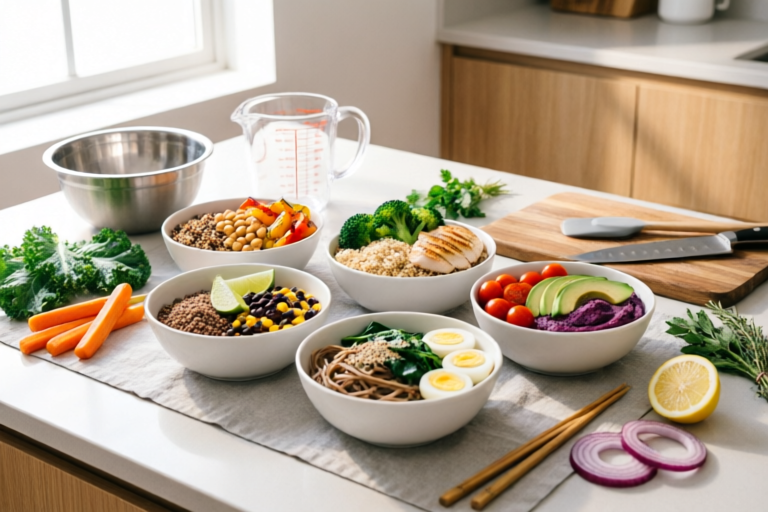
In today's fast-paced world, finding the time to cook nutritious meals every day can feel like an insurmountable challenge. Between demanding work schedules, family commitments, and general life chaos, the temptation to rely on quick, processed takeout is incredibly strong. However, consistently choosing convenience over nutrition often leads to fatigue, decreased productivity, and long-term health risks. This is where the art of meal preparation comes in. Specifically, creating healthy meal prep bowls offers a flexible, delicious, and highly efficient solution for those who want to prioritize their well-being without spending hours in the kitchen every evening.
Meal prep bowls are not just a trend; they are a lifestyle adjustment designed to streamline your relationship with food. By dedicating a few hours once a week to prepare balanced, colorful containers, you are investing in your future self. Whether your goal is weight management, muscle gain, or simply having more energy throughout the week, this guide will walk you through everything you need to know. We will explore the "why," the "how," and the logistics of mastering the meal prep bowl. Let's dive into how you can transform your kitchen and your plate starting this Sunday.
## Why Choose Meal Prep Bowls?
Before we jump into the mechanics of chopping and roasting, it is essential to understand the profound impact that adopting a meal prep culture can have on your overall quality of life. While it might seem easier to order dinner every night, the cumulative costs—financial, physical, and mental—are often much higher than the effort required to prepare in advance.
### Saving Time and Money
The most immediate benefit of meal prepping is time efficiency. It is a common misconception that cooking takes more time than ordering out. In reality, when you spread the cooking process over six hours rather than doing it every day for two hours, you reclaim valuable weekend leisure time. Instead of standing over a stove five times a week, you cook once or twice. Furthermore, financial savings are significant. Home-cooked meals generally cost a fraction of restaurant prices. By buying ingredients in bulk and utilizing whole foods, you reduce the cost per serving drastically.
### Reducing Food Waste
Supermarket food waste is a silent budget killer. When you shop impulsively without a plan, ingredients often spoil before they can be used. Meal prep forces you to buy only what you need for the upcoming week. You purchase a specific quantity of chicken, rice, and vegetables, knowing exactly how they will be utilized. This systematic approach ensures that nearly every item bought makes it to your table, reducing waste and supporting sustainable practices.
### Ensuring Consistent Nutrient Intake
Perhaps the most critical advantage is nutritional consistency. When you are hungry and exhausted after a long day, your decision-making power weakens. Without prepared healthy options available, you are likely to choose high-calorie, low-nutrient convenience foods. Having a bowl of nutrient-dense food already made removes this decision fatigue. It guarantees that you are consuming adequate protein, fiber, and vitamins daily, regardless of how stressful the day was. This consistency is key to stabilizing blood sugar levels and maintaining steady energy throughout the day.
## Designing a Balanced Weekly Menu
Creating a successful meal prep plan goes beyond throwing random leftovers into a container. It requires strategic design to ensure variety, flavor, and nutritional balance. If you plan the same lunch every day for five days, you risk boredom and eventual quitting. The goal is variety wrapped in simplicity.
### Understanding Macronutrient Distribution
Every bowl should be built on the foundation of macronutrients: proteins, carbohydrates, and fats. A balanced bowl typically consists of:
1. **Complex Carbohydrates:** These provide sustained energy. Think quinoa, brown rice, sweet potatoes, or buckwheat. Avoid simple sugars or refined white grains whenever possible, as they cause energy spikes and crashes.
2. **Lean Proteins:** Essential for muscle repair and satiety. Options include grilled chicken breast, turkey, firm tofu, tempeh, eggs, or salmon.
3. **Healthy Fats:** Necessary for hormone function and nutrient absorption. Incorporate avocado slices, pumpkin seeds, almonds, or drizzle olive oil.
When designing your menu, aim to vary these components across the week. For example, Monday could feature chicken and brown rice, while Wednesday switches to salmon and quinoa. This rotation prevents palate fatigue.
### Calorie Control and Portioning
Calorie control does not mean starvation; it means awareness. When preparing bowls for the week, decide on your target caloric intake for lunch and dinner beforehand. Using a food scale during the initial prep ensures accuracy. For instance, if you aim for 600 calories per lunch, measure out 1 cup of cooked grain (approx. 200 calories), 4 ounces of protein (approx. 200 calories), and fill the rest with non-starchy vegetables (approx. 100 calories) plus healthy fats (approx. 100 calories). Writing down these plans helps prevent unconscious overeating later in the week.
### Flavor Profiles and Variety
To keep meals exciting, focus on flavor profiles rather than just ingredients. Create distinct themes for different days:
- **Asian-Inspired:** Soy sauce, ginger, sesame oil, cabbage, and tofu.
- **Mediterranean:** Lemon juice, oregano, cucumbers, olives, feta cheese, and falafel.
- **Mexican:** Lime, cumin, corn salsa, black beans, and guacamole.
By rotating flavors, you get the sensation of eating at different restaurants every day, which keeps the motivation high for sticking to your meal prep routine.
## Key Ingredients for Nutritious Bowls
Selecting the right ingredients is the backbone of your meal prep success. Not all foods preheat or store equally well. Some textures degrade quickly upon being left in the fridge overnight. Here is a breakdown of the essential categories you need to stock your pantry and refrigerator.
### Lean Proteins
Protein is the most expensive and perishable component, so handling it correctly is vital.
- **Chicken Breast:** Very versatile. Bake multiple breasts at once. Slice them cold for salads or reheat them warm.
- **Ground Turkey:** Excellent for taco bowls or spaghetti squash bakes. It cooks quickly and mixes easily with spices.
- **Plant-Based Proteins:** Lentils, chickpeas, and kidney beans are incredible. They hold up well in the fridge and absorb flavors beautifully. Tofu should be pressed and cubed; firm tofu works better than silken for storage.
### Complex Carbohydrates
Grains are the base of your bowl. The key here is durability.
- **Quinoa:** Cooks relatively fast and has a nutty flavor that complements almost any vegetable.
- **Brown Rice or Jasmine Rice:** More affordable than quinoa. Be sure to rinse it well before cooking to remove excess starch.
- **Sweet Potatoes:** High in Vitamin A and fiber. Roast them in chunks instead of mashing them to maintain texture during reheating.
### Fiber-Rich Vegetables
Vegetables make up the bulk of the visual appeal and fiber content.
- **Broccoli and Cauliflower:** Great for roasting. They stay crisp-tender if not overcooked initially.
- **Leafy Greens:** Spinach or kale. Store these separately to prevent wilting. Add them fresh on top of warm bowls just before eating.
- **Peppers and Onions:** Roast alongside your protein. They add sweetness and depth of flavor.
- **Cruciferous Veggies:** Broccoli florets, Brussels sprouts. These roast incredibly well but shouldn't be steamed excessively or they turn slimy.
### Healthy Fats
Fats add richness and satiety.
- **Nuts and Seeds:** Almonds, walnuts, sunflower seeds. Toast them lightly to enhance crunchiness and store in small bags.
- **Olive Oil and Tahini:** Good for sauces. Always apply just before eating to avoid sogginess.
- **Avocado:** A staple, but tricky for prepping ahead. Cut just before packing or pack the halves in lemon juice and squeeze air out of the bag to minimize browning.
## Streamlining the Cooking Process
Once your ingredients are selected, the execution phase begins. The goal here is efficiency. You are essentially running a mini assembly line in your home kitchen. With the right workflow, the entire process for a full week's worth of food can take less than three hours.
### The Power of Batch Roasting
Oven space utilization is crucial. Do not cook items sequentially. Instead, layer your trays.
- **Sheet Pan Strategy:** Use multiple baking sheets. Put high-density items like potatoes on the bottom rack and lighter veggies like broccoli on the top rack. They finish cooking around the same time.
- **Temperature Sync:** Most roasting happens between 375°F (190°C) and 400°F (200°C). Adjust cooking times based on cut size rather than constantly monitoring individual pans.
- **Protein First:** Start your proteins, especially meat, as they take the longest. While the oven is working, prep your sides.
### Utilizing Multiple Appliances
Don't restrict yourself to one heat source. Parallel processing is the secret to speed.
- **Slow Cooker / Instant Pot:** Load this with grains, beans, or stews early in the morning. It works silently while you handle other prep tasks.
- **Air Fryer:** Perfect for crispy vegetables or reheating proteins without drying them out, keeping moisture levels higher than conventional microwaving.
- **Blender:** Prepare sauces immediately after chopping veggies. Don't wash bowls yet; keep the workspace continuous.
### Organizing Your Workstation
A cluttered counter leads to a messy kitchen and wasted time. Follow the "mise en place" philosophy used by professional chefs.
1. **Wash Everything First:** Before cutting anything, wash all produce. Dry them thoroughly.
2. **Chopping Stations:** Set up one board for veggies, another for meat. Use different colored knives or color-coded boards to prevent cross-contamination.
3. **Cook-to-Cool Cycle:** Allow hot items (rice, roasted veggies) to cool to room temperature before sealing them in containers. Sealing hot food traps steam, which creates condensation and promotes bacterial growth, leading to soggy meals.
## Packaging and Storage Strategies
Your hard work in the kitchen can be undone by poor storage. Proper packaging preserves freshness, prevents leaks, and maintains the integrity of the food. Choosing the right system is just as important as choosing the right recipe.
### Selecting the Right Containers
Glass versus Plastic is a common debate.
- **Glass Containers:** BPA-free glass is ideal. It does not stain, does not retain odors, and is microwave and dishwasher safe without degrading. However, they are heavier and can break if dropped.
- **High-Quality Plastic:** Look for BPA/BPS-free options specifically designed for freezing and heating. They are lightweight and durable, making them great for travel.
- **Compartments vs. Flat:** Compartmentalized containers help keep foods separated, preventing the rice from absorbing the taste of the curry. If using flat bowls, pack dry ingredients at the bottom and wet toppings at the top.
### The Dressing Dilemma
One of the biggest challenges with salad-style bowls is sogginess. If you pour dressing over mixed greens and leave them in the fridge, the acid will wilt the leaves overnight.
- **Separate Storage:** Store sauces and dressings in small, leak-proof jars placed inside the container, either tucked into a corner or in a separate zip-lock bag.
- **Oil vs. Vinegar:** Oil-based dressings tend to sit on top and preserve better. Vinaigrettes need shaking before use. Acids like lemon juice preserve some fruits and veggies longer, while dairy-based dips may require consumption within 3 days.
### Labeling and Rotation (FIFO)
Always label your containers with the contents and the date of preparation. Use the First-In, First-Out (FIFO) method. Place new preps behind old ones in the fridge. Generally, cooked grains and vegetables last 4-5 days. Meat dishes should ideally be consumed within 3 days. Freeze any meals you won't eat within that window within 24 hours of cooking.
## Maintaining Consistency Over Time
Starting meal prep is easy; sticking with it is the real battle. Sustainability is the metric that determines whether this becomes a lifelong habit or a failed project.
### Recipe Rotation
Variety is the spice of life and the secret to adherence. Create a database of 10-15 core recipes that you love. Rotate them bi-weekly or monthly. If you find a week where you lack motivation, switch to "lazy prep" versions of your favorite meals. Sometimes, assembling a bowl from leftover roasted veggies and canned beans is better than quitting entirely. Flexibility reduces the pressure to be perfect.
### Adjusting Portions and Nutrition
Your energy needs change. As your activity level fluctuates due to seasons or work intensity, your calorie needs will shift. Listen to your body. If you feel perpetually hungry during your prep cycle, increase the carb portion slightly. If you feel sluggish, reduce the portion and increase vegetables. Meal prep is meant to serve you, not dictate rigid rules that ignore biological signals.
### Preventing Burnout
Do not feel pressured to meal prep seven days a week. Often, preparing 5 lunches and 5 dinners covers the workweek. Dinner might be simpler, or you might have a designated "free night." Taking breaks prevents resentment towards cooking. Involve friends or family members. Cooking together makes the workload lighter and the experience more enjoyable. Social bonding over food creates positive associations with the process.
### Troubleshooting Common Issues
Sometimes things go wrong. Rice burns, vegetables overcook, or the grocery run runs overtime.
- **Backup Meals:** Keep frozen veggie mixtures or canned soups on hand for emergency nights when the prepped food isn't viable.
- **Freezer Friendly:** Most soups, stews, and chili freeze perfectly. If you are overwhelmed, cook double batches of freezer-friendly meals and rotate them into the fridge schedule.
- **Cleaning Up:** Do not leave dirty dishes for last. Clean utensils as you go. A clean kitchen invites you back to cook again. If the kitchen is a mess, you won't want to start next week.
## Frequently Asked Questions About Meal Prep Bowls
Q: Can I drink water or tea with my meal prep bowls?
A: Absolutely. Staying hydrated is part of the nutritional equation. However, avoid sugary drinks which can negate the caloric deficit achieved by healthy eating.
Q: What is the best way to reheat meals?
A: Microwave heating is standard, but it can dry out rice. Sprinkle a teaspoon of water over the rice before microwaving to create steam. Cover the bowl loosely with a lid to trap moisture.
Q: Is it okay to prep meat and mix it with vegetables on day one?
A: Yes, this saves packing time. However, ensure proteins are fully cooled before mixing to stop the cooking process caused by residual heat, which ruins the veggies.
Q: How much money do I actually save?
A: Savings vary by diet, but typically, people save 30% to 50% on their grocery bill compared to dining out, even accounting for the cost of premium ingredients.
## Conclusion
Preparing healthy meal prep bowls is more than a culinary exercise; it is a powerful tool for taking control of your health and time. By understanding the principles of macronutrient balance, selecting durable ingredients, streamlining your kitchen workflow, and implementing smart storage strategies, you set yourself up for success. The initial investment of time on Sunday yields returns in freedom and energy for the entire week ahead. Remember, perfection is not the goal; consistency is. Start small, perhaps with just three meals a week, and gradually build up your capacity. As you become more comfortable, you will discover a rhythm that fits seamlessly into your life. Eat smart, save time, and live better. Your journey to a healthier version of yourself begins with the next bowl you pack.
---
*Thank you for reading this comprehensive guide. Bookmark this page for your next shopping trip, and share these tips with friends who are looking to simplify their wellness routine.*