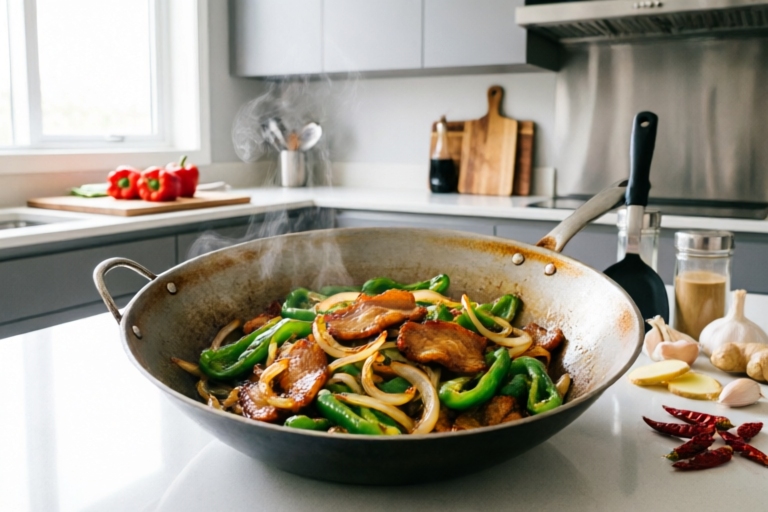
Why Your Stir-Fry Always Burns (And How to Fix It)
Master the Art of Stir-Frying Every Time
1. Introduction: Understanding the Common Stir-Fry Challenges
Stir-frying is a popular cooking method that originated in China and has since spread worldwide. This fast-paced cooking technique involves frying small pieces of food in a hot pan or wok while continuously stirring. Despite its simplicity, many home cooks struggle with common challenges that lead to burnt or overcooked dishes.
The most frequent issues include burning the food, uneven cooking, and lack of flavor. Mastering the art of stir-frying can significantly improve your cooking skills and elevate your meals. In this article, we will explore the reasons behind these common problems and provide practical solutions to help you achieve perfectly cooked stir-fries every time.
2. Why Your Stir-Fry Burns: Common Culprits
Insufficient Preheating of the Wok or Pan
One of the primary reasons your stir-fry burns is due to insufficient preheating. A cold wok or pan can cause the food to stick and burn before it has a chance to cook properly. Ensure your wok or pan is hot enough before adding any ingredients.
Using the Wrong Type of Oil for High Heat Cooking
Choosing the right oil is crucial for successful stir-frying. Some oils have higher smoke points than others, making them more suitable for high-heat cooking. For example, peanut oil and sesame oil are excellent choices for stir-frying because they can withstand high temperatures without breaking down.
Adding Too Much Food at Once, Causing Overcrowding
Overcrowding the wok or pan can lead to steaming rather than frying, resulting in soggy, unappetizing food. Add ingredients in batches if necessary, ensuring each piece has enough space to cook evenly.
Not Maintaining a Consistent Cooking Temperature
Fluctuations in temperature can cause food to burn or undercook. Keep the heat steady throughout the cooking process by adjusting the flame as needed.
3. The Science Behind Proper Stir-Frying
Explanation of Maillard Reaction and Caramelization
The Maillard reaction is a chemical process that occurs when amino acids and sugars react at high temperatures, creating complex flavors and browning. This reaction is responsible for the rich, savory taste and golden-brown color of well-cooked stir-fries.
Caramelization is another important aspect of stir-frying. It refers to the process of heating sugar until it melts and turns brown, adding sweetness and depth to your dish. Both reactions contribute to the overall flavor profile of your stir-fry.
Role of High Heat in Achieving Crispy Textures
High heat is essential for achieving crispy textures in stir-fried dishes. When food is exposed to high temperatures, it develops a crunchy exterior while remaining tender inside. This contrast in texture enhances the eating experience and makes the dish more enjoyable.
Importance of Quick Cooking to Preserve Nutrients
Quick cooking methods like stir-frying help preserve the nutritional value of vegetables and other ingredients. Rapid cooking minimizes nutrient loss, ensuring that your dish is not only delicious but also healthy.
4. Essential Equipment for Perfect Stir-Fries
Choosing the Right Wok or Skillet Material
Selecting the appropriate material for your wok or skillet is crucial for achieving perfect stir-fries. Carbon steel and cast iron are popular choices because they retain heat well and develop a natural non-stick surface over time. Stainless steel and non-stick pans are also viable options, though they may require more maintenance.
Proper Seasoning Techniques for Non-Stick Surfaces
If you're using a non-stick pan, proper seasoning is essential to prevent sticking. Season your pan by rubbing it with a thin layer of oil and baking it in the oven at a low temperature. Repeat this process several times until the surface becomes smooth and non-reactive.
Necessary Tools for Efficient Stirring
Adequate tools make stir-frying easier and more efficient. Invest in a sturdy spatula and a pair of tongs to help you move ingredients around without breaking them. These tools will ensure that your food cooks evenly and stays intact.
5. Step-by-Step Guide to Avoid Burning Your Stir-Fry
Preparing Ingredients Ahead of Time
Preparation is key to successful stir-frying. Cut all ingredients into uniform sizes and have them ready before you start cooking. This ensures a smooth cooking process and prevents burning or overcooking.
Tips for Adding Ingredients in the Correct Order
Add ingredients in the correct order to ensure even cooking. Start with hard vegetables like carrots and potatoes, followed by softer ones like bell peppers and zucchini. Finish with proteins and delicate herbs or greens.
Adjusting Heat During Cooking
Monitor the heat throughout the cooking process and adjust it as needed. If the food starts to burn, reduce the heat slightly. Conversely, if the food isn't cooking quickly enough, increase the heat to maintain high temperatures.
6. Conclusion: Mastering the Art of Stir-Frying
In conclusion, mastering the art of stir-frying requires attention to detail and practice. By understanding the common culprits that lead to burning and following the steps outlined in this guide, you can achieve perfectly cooked stir-fries every time. Experiment with different recipes and ingredients to expand your culinary repertoire. With patience and persistence, you'll soon be enjoying delicious, restaurant-quality stir-fries at home.
Comments

I'm glad to hear that quick cooking preserves nutrients. I'll definitely try this method to make sure I'm getting the most out of my veggies.

The science behind stir-frying was fascinating. Who knew high heat could make such a difference?

This is perfect for weeknights. Quick and easy. My family enjoyed it. Thanks for the step-by-step guide!

Tried this, loved it! I added some extra garlic and soy sauce for more flavor. Any other seasoning suggestions?

I love stir-fry but I've never used a wok before. Is a carbon steel wok really necessary or will a regular skillet work just as well?

Great tips! I tried this method and my stir-fry turned out so much better. What oil do you recommend for high heat cooking?

Finally! A guide that addresses my biggest stir-fry issue. I always burn my veggies but now I know it's because I wasn't preheating the pan enough. Thanks!