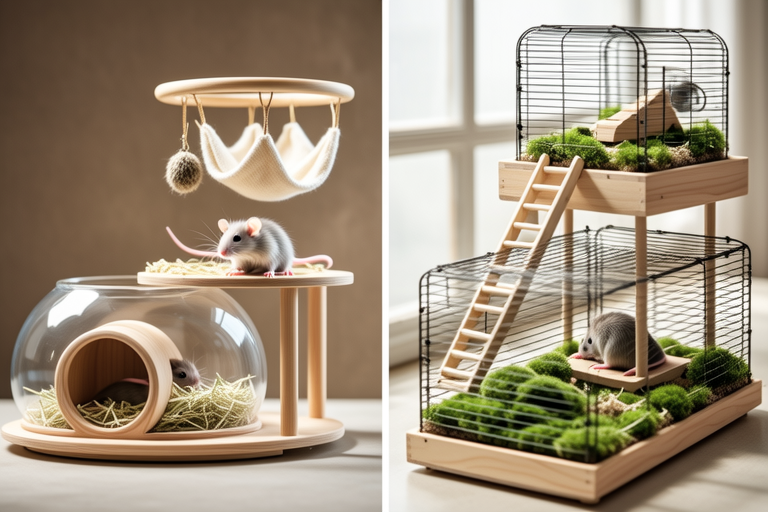
Transform Your Space with These Amazing Fancy Rat Habitat Ideas
Fancy rats, also known as domesticated brown rats, are intelligent and social pets that require stimulating environments to thrive. Unlike their wild counterparts, these rodents have been bred over generations to be docile and friendly towards humans. They are highly sociable animals that enjoy the company of both their human caregivers and other rats. Providing them with a safe, enriching habitat is crucial for their well-being. In this article, we will explore essential habitat components and provide innovative DIY habitat ideas that can transform your space into a delightful home for your fancy rats.
Understanding the Needs of Fancy Rats
Fancy rats are curious and active creatures that need ample space to move around and engage in various activities. Their natural environment in the wild is complex and dynamic, which is why it’s important to replicate this complexity in captivity. A suitable habitat for fancy rats should include bedding, hideouts, toys, and designated exercise areas. Each component plays a vital role in ensuring that your rat feels secure, comfortable, and entertained.
Bedding: The Foundation of Comfort
The bedding in a fancy rat habitat serves as the foundation of comfort. It provides insulation, absorbs waste, and offers a soft surface for your rat to rest on. Opt for bedding materials that are absorbent, dust-free, and easy to clean. Popular choices include recycled paper products, such as Yesterday’s News or CareFRESH, and aspen shavings. Avoid cedar and pine shavings, as they can irritate your rat’s respiratory system and cause health issues. Ensure that the bedding is at least two to three inches deep to allow your rat to burrow and nest.
Hideouts: Creating Safe Spaces
Rats are naturally nocturnal animals that seek out dark, enclosed spaces to sleep during the day. Providing multiple hideouts within the habitat allows your rat to retreat to a quiet corner when they feel stressed or want privacy. Cardboard boxes, plastic tunnels, and small wooden houses are great options for hideouts. Ensure that any hideout you choose has multiple entry points and is large enough for your rat to comfortably turn around inside. You can also add soft nesting material, such as shredded tissue paper or cotton, to make the hideouts more inviting.
Toys: Stimulating Mental and Physical Activity
Toys are essential for keeping your fancy rat mentally and physically stimulated. Rats are curious and playful animals that enjoy exploring new objects and solving puzzles. Consider offering a variety of toys that cater to different types of play, such as chew toys, climbing structures, and foraging toys. Wooden blocks, cardboard tubes, and untreated twigs are excellent chew toys that help keep your rat’s teeth trimmed. Climbing structures, such as ladders and platforms, encourage physical activity and exploration. Foraging toys, like treat-dispensing balls or puzzle feeders, stimulate your rat’s problem-solving skills and provide mental stimulation.
Exercise Areas: Promoting Physical Fitness
In addition to toys, providing designated exercise areas within the habitat promotes physical fitness and prevents obesity. Exercise wheels are a popular choice for fancy rats, but it’s important to choose a wheel with a solid surface rather than one with bars, as the latter can cause injury. Other exercise options include ramps, bridges, and platforms that encourage climbing and jumping. You can also create an obstacle course using household items, such as cardboard boxes and plastic tubes, to simulate natural terrain and encourage exploration.
DIY Habitat Ideas Using Household Items
Creating a fancy rat habitat doesn’t have to break the bank. With a little creativity and some common household items, you can build a unique and stimulating home for your rat. Below are some innovative DIY habitat ideas that emphasize safety, hygiene, and enrichment.
Cardboard Castle
A cardboard castle is a fantastic way to create a spacious and interactive habitat for your fancy rat. Start by cutting several large pieces of corrugated cardboard and arranging them to form walls and rooms. Use duct tape or packing tape to secure the pieces together and reinforce weak spots. Add doors, windows, and tunnels to create multiple pathways and hideouts. You can also incorporate climbing structures, such as ramps and bridges, to enhance vertical space and encourage exploration. Finally, line the floor with bedding and add toys and nesting material to complete the castle.
PVC Pipe Maze
A PVC pipe maze is an excellent option for rats who love to tunnel and explore. Begin by purchasing a variety of PVC pipes in different diameters and lengths. Cut the pipes to size and connect them using T-joints, elbows, and reducers to create a network of tunnels. You can add bends, loops, and dead ends to increase complexity and challenge your rat’s spatial awareness. Secure the pipes to a base using glue or brackets to prevent tipping. Line the pipes with bedding or fabric to create a cozy interior and add nesting material at the end of each tunnel for hideouts.
Recycled Furniture Habitat
Repurposing old furniture is a sustainable and cost-effective way to create a fancy rat habitat. Look for items that offer ample vertical space, such as dressers, bookshelves, or cabinets. Remove any hazardous materials, such as paint or varnish, and cover exposed surfaces with non-toxic linings, such as felt or fabric. Install ramps, platforms, and climbing structures to encourage vertical exploration. Add hideouts, toys, and bedding to complete the habitat. This approach not only provides a unique living space for your rat but also reduces waste and promotes eco-friendly pet ownership.
Selecting the Right Size and Layout
When choosing the size and layout of your fancy rat habitat, consider the available living space and the number of rats you plan to house. A general rule of thumb is to provide at least 4 square feet of living space per rat. However, if you have the room, larger habitats are always preferable as they allow for more freedom and exploration. When selecting a layout, aim for a balance between open spaces and enclosed areas to cater to your rat’s need for both activity and privacy. Ensure that all components are securely fastened to prevent accidents and that there are no sharp edges or small parts that could pose a choking hazard.
Maintaining a Healthy, Happy Habitat
Maintaining a healthy and happy habitat for your fancy rats involves regular cleaning, monitoring for signs of illness, and providing a balanced diet. Clean the habitat at least once a week, removing soiled bedding and replacing it with fresh material. Disinfect the habitat and all accessories using a pet-safe cleaner every few weeks to prevent the buildup of bacteria and odors. Monitor your rats for signs of illness, such as lethargy, loss of appetite, or abnormal behavior, and consult a veterinarian if you notice any concerning symptoms. Feed your rats a balanced diet consisting of commercial rat pellets, fresh fruits, vegetables, and occasional treats. Provide fresh water daily and change it regularly to ensure optimal hydration.
Encourage creativity and responsibility among pet owners by experimenting with different habitat designs and observing how your rats interact with their environment. By providing a safe, stimulating, and enriching habitat, you can ensure that your fancy rats lead long, healthy, and joyful lives. Whether you opt for a simple cage or a complex DIY habitat, the key is to prioritize your rat’s needs and well-being. Happy building and enjoy watching your rats thrive in their new homes!
