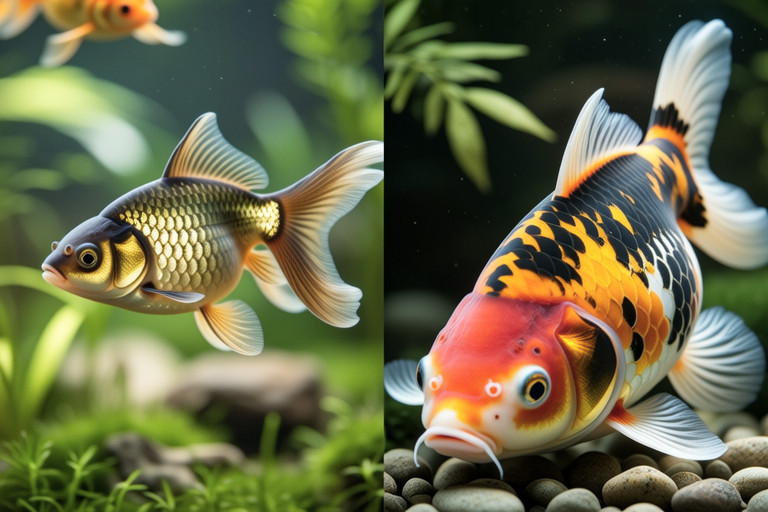
From Tiny Fry to Majestic Swimmers: The Lifecycle of Koi Fish Explained
Koi fish, with their vibrant colors and graceful movements, have captivated the hearts of aquarists and pond enthusiasts worldwide. These ornamental fish, originating from Japan, are not only a beautiful addition to any garden but also symbolize good luck and fortune. Their popularity has grown exponentially over the years, making them a favorite among both beginners and seasoned pond owners. This article delves into the fascinating lifecycle of koi fish, from tiny fry to majestic swimmers, providing essential knowledge for those interested in raising these magnificent creatures.
The Birth of Koi: Spawning
The journey of a koi fish begins in the spring when water temperatures reach around 65°F (18°C). Male and female koi come together in shallow waters to spawn. Female koi can produce thousands of eggs during this process, which are then fertilized by male koi. The eggs are adhesive and stick to plants or other surfaces within the pond. For successful spawning, it’s crucial to maintain optimal water quality, ensuring that the pH level is between 7.2 and 8.0 and the temperature is stable. Additionally, aeration and filtration systems play vital roles in providing clean and oxygen-rich water, essential for the survival of the eggs.
Fry Development: From Eggs to Free-Swimming Fry
After approximately three to seven days, depending on water temperature, the eggs hatch into fry. At this stage, the fry are still attached to their yolk sacs and cannot swim freely. They remain near the surface, feeding off their yolk reserves until they develop enough strength to swim independently. During this period, it’s important to keep the pond environment calm and free from predators. Introducing live food such as infusoria and newly hatched brine shrimp can help ensure proper nutrition for the growing fry. As they transition into free-swimming fry, regular feedings of high-protein foods like commercial koi fry food are recommended.
Early Juvenile Stage: Growth and Development
Once the fry become free-swimming, they enter the early juvenile stage. At this point, they begin to explore their surroundings more actively and start developing their distinctive color patterns. It is crucial to provide ample space for the young koi to grow and avoid overcrowding. A well-balanced diet rich in protein, vitamins, and minerals is necessary to support their rapid growth. Regular water changes and maintenance of the pond’s biological filter system are also essential to prevent disease and ensure a healthy living environment.
Adolescent Stage: Becoming Stronger and More Colorful
As koi fish progress into adolescence, they become more robust and their colors intensify. This stage typically lasts about two years. During this time, koi fish continue to grow rapidly and require increased nutritional intake. Feeding them a varied diet that includes pellets, flakes, and occasional treats like vegetables helps promote healthy development. Proper pond management remains critical; regular monitoring of water parameters and addressing any issues promptly can prevent health problems. Additionally, providing hiding spots and shelters within the pond gives adolescent koi a sense of security, reducing stress levels.
Adult Stage: Majestic Swimmers
When koi reach adulthood, usually after four to five years, they become full-fledged members of the pond community. Adult koi can grow up to three feet in length and weigh several pounds. They exhibit striking colors and patterns that make them stand out. Maintaining a healthy adult koi population involves consistent care and attention. Ensuring adequate space, proper nutrition, and a clean environment are key factors. Adult koi are less susceptible to diseases compared to younger stages, but they still need routine check-ups and preventive measures against parasites and infections.
Maintaining Healthy Koi Ponds
To ensure the longevity and well-being of your koi fish throughout their lifecycle, it’s important to maintain a healthy pond ecosystem. Regular water testing helps monitor levels of ammonia, nitrite, and pH, ensuring they remain within safe ranges. Installing a robust filtration system aids in removing waste and debris while promoting beneficial bacteria growth. Additionally, incorporating aquatic plants provides oxygenation and natural filtration benefits. Proper feeding practices prevent overfeeding, which can lead to poor water quality and obesity in koi.
Common Challenges and Solutions
Raising koi fish comes with its share of challenges at various stages of their lifecycle. In the early stages, predation poses a significant threat to fry. Protecting the fry by covering the pond or introducing barriers can mitigate this risk. During the juvenile and adolescent phases, improper nutrition may stunt growth or cause deformities. Providing a balanced diet tailored to each stage ensures optimal development. As adults, koi face challenges related to aging, such as reduced mobility and weakened immune systems. Offering age-appropriate care through enriched diets and gentle handling can extend their lifespan.
Long-Term Care and Rewards
Watching koi fish grow from tiny fry into majestic swimmers is incredibly rewarding. Long-term care involves ongoing commitment to their health and happiness. By investing time and effort into creating a nurturing environment, you’ll enjoy the beauty and companionship of these captivating creatures for many years. The bond formed between keeper and koi deepens over time, making each day spent observing them a cherished experience.
