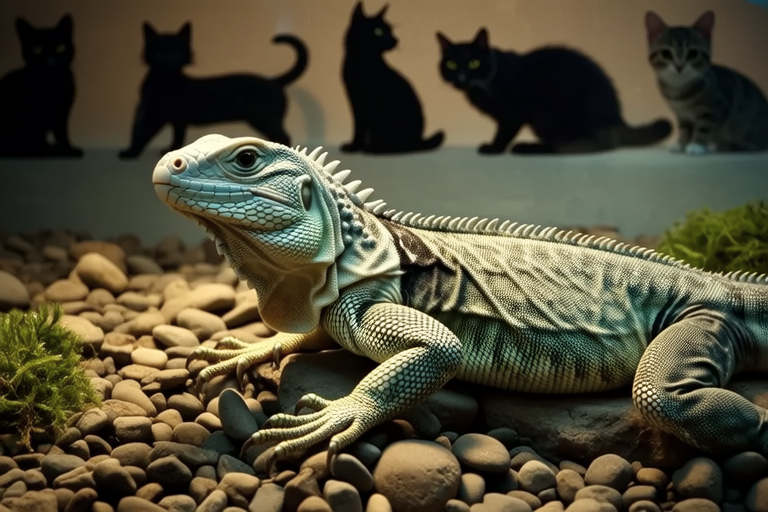
Water Monitor vs. Other Pets: Is This Reptile Right for You?
The world of pet ownership is vast and varied, with options ranging from traditional companions like dogs and cats to more exotic choices such as birds and reptiles. Among these, the water monitor (Varanus salvator) stands out as a unique and challenging pet that requires specialized care. This article aims to compare the water monitor with other popular pets, highlighting its unique needs, care requirements, and behaviors to help potential owners decide if this reptile is right for them.
Understanding Water Monitors
Water monitors are one of the largest lizards in the world, native to Southeast Asia. They can grow up to 8 feet in length and weigh over 50 pounds. Their impressive size, combined with their semi-aquatic nature, makes them a striking and fascinating addition to any reptile collection. However, this also means they require substantial space and resources, which sets them apart from smaller, more manageable pets like dogs or cats.
Size and Habitat Setup
When considering a water monitor, it’s crucial to understand the space and environmental conditions they need. A juvenile water monitor may start small, but adults will need enclosures that are at least 8 feet long, 4 feet wide, and 6 feet high. The enclosure should include a large water area for swimming, as well as land areas for basking and climbing. Unlike many other pets, water monitors require a complex setup that mimics their natural environment, including UVB lighting for vitamin D synthesis and a temperature gradient to allow for thermoregulation.
Dogs and cats, on the other hand, are much easier to accommodate. While large dog breeds might require a spacious backyard, they generally adapt well to indoor living with sufficient exercise. Cats are even more adaptable, often thriving in apartment settings with minimal space requirements. Birds, particularly parrots, can be kept in large aviaries or spacious cages, but their needs are still less demanding than those of a water monitor.
Diet and Feeding Requirements
Water monitors have voracious appetites and are carnivorous. Their diet consists mainly of insects, fish, rodents, and occasionally larger prey items like chickens. Juveniles can be fed insects and small mice, while adults may require whole rabbits or large fish. Feeding a water monitor can be labor-intensive and costly, especially as they grow. In contrast, dogs and cats typically eat commercial kibble or canned food, making their feeding routines more predictable and budget-friendly. Birds, depending on species, may require a mix of seeds, fruits, vegetables, and pellets, which is more diverse but still simpler than the water monitor’s diet.
Social Interaction and Behavior
Water monitors are solitary creatures by nature and do not form social bonds with humans or other animals in the same way that dogs or cats do. They are intelligent and can become accustomed to handling, but this process requires patience and consistent effort. Their behavior can be unpredictable, and they may show aggression if they feel threatened. For this reason, water monitors are not recommended for inexperienced reptile owners.
Dogs are known for their loyalty and affection, making them excellent companions. They thrive on human interaction and enjoy playtime and training sessions. Cats are more independent but still enjoy socializing with their owners. Birds, particularly parrots, can develop strong bonds with their caretakers and are capable of mimicking speech and performing tricks. These pets provide companionship and entertainment, whereas water monitors offer a more one-sided relationship.
Health Concerns and Veterinary Care
Water monitors are susceptible to various health issues, including metabolic bone disease due to inadequate calcium intake, respiratory infections, and parasites. Regular veterinary check-ups are essential, and finding a veterinarian experienced with reptiles can be challenging. Dogs and cats are also prone to health problems, but there is a wider network of veterinarians who specialize in these animals, making healthcare more accessible. Birds may face similar challenges, but their care routines are generally simpler and less intensive.
Commitment Level Required
Owning a water monitor demands a significant time and financial commitment. The initial setup cost for an appropriate enclosure, heating, lighting, and feeding equipment can be high. Additionally, ongoing costs for food, veterinary care, and maintenance of the habitat can add up. Owners must be prepared for the long-term responsibility of caring for a large reptile that can live up to 20 years. Dogs and cats, while also requiring long-term commitment, tend to have lower initial and ongoing costs. Birds, particularly parrots, can be long-lived but generally have lower care expenses.
Pros and Cons of Owning a Water Monitor
Pros:
- Unique and Exotic: Owning a water monitor provides a unique experience that few people get to enjoy.
- Intelligent and Curious: Water monitors are highly intelligent and can learn to recognize their owners.
- Variety in Activities: Their semi-aquatic nature allows for a diverse range of activities, including swimming and climbing.
Cons:
- High Initial and Ongoing Costs: Setting up and maintaining a proper habitat is expensive.
- Space Requirements: Water monitors need a lot of space, making them unsuitable for small homes.
- Specialized Care: They require specific dietary and environmental conditions that can be challenging to meet.
Conclusion
Choosing between a water monitor and other pets depends on your lifestyle, available resources, and willingness to commit to the animal’s unique needs. While water monitors offer a fascinating and rewarding experience for dedicated reptile enthusiasts, they are not suitable for everyone. If you are looking for a loyal companion that thrives on human interaction, dogs and cats are excellent choices. For those seeking a quieter, more independent pet, birds or other reptiles might be better suited. Ultimately, the decision should be based on careful consideration of the responsibilities involved and your ability to provide the best possible care for your chosen pet.
